

By Simbarashe Muparaganda
Bulawayo, (New Ziana)-The Zimbabwe government should increase the land levy as a way of compeling beneficiaries of the agrarian reforms that it implemented to put the land that they were allocated to productive use, a legislator said on Thursday.
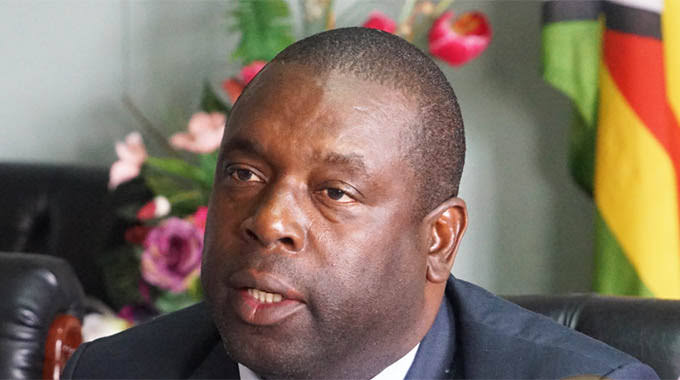
Chairperson of the Parliamentary Portfolio Committee on Budget, Finance and Investment Promotion Lincoln Dhliwayo said the proposal emerged during public consultations held across the country to gather views and contributions for possible inclusion in the 2027 National Budget.
Speaking at the 2027 National Pre-Budget Seminar in Bulawayo, Dhliwayo said members of the public had called on the government to increase the land levy, making it more costly to leave land idle.
“During the hearings, participants proposed reviewing the current 2 percent land tax, arguing that keeping land idle for speculative purposes should come at a higher cost,” he said.
Dhliwayo noted that contributors also urged the government to continue subsidising fuel to keep the price below US$2, saying this could lower production costs and ease the burden on consumers.
Another proposal was for the Zimbabwe Revenue Authority (ZIMRA) to engage local authorities and align council taxes with presumptive tax collection in order to increase presumptive tax collections.
On mining royalties, he outlined proposals to apply a tiered rate system to platinum and lithium, based on prevailing prices.
“The suggested platinum rates were 3 percent for prices below US$1 200, 5 percent between US$1 200 and US$1 500, and 7.5 percent above US$1 500. These proposals are not prescriptive. They are for the Minister’s consideration,” Dhliwayo said, adding that the government could model the rates further and consult producers to determine appropriate price thresholds.
For lithium, the Committee proposed a 3 percent royalty for prices up to US$1,500, with the suggested rates and price bands also subject to further consideration.
On investment, Dhliwayo said participants wanted the government to align incentives for domestic and foreign investors to give local businesses a fair opportunity to grow.
“The same incentives that we give to foreign investors should also be considered for our domestic investors,” he said.
He also called for stronger coordination between the Ministries of Finance and of Environment, Climate and Wildlife to develop a framework for carbon credits that could attract investment while ensuring economic activity remained productive, citing tea farmers who, he said, were leaving poduction of the crop after benefiting from carbon credits linked to their tea bushes.
The committee also proposed tougher penalties for counterfeit goods, including fake food, medicines and fabrics, to deter imports and protect public health.
“To combat smuggling of cigarettes, spirits and sugar, participants called for investment in digital systems that would help authorities identify and track goods,” he said.
Other proposals included reducing the Intermediated Money Transfer Tax (IMTT) rate to 1 percent for both ZiG and US dollar transactions, from the then-current rates of 1.5 percent and 2 percent respectively, a move which could lower the cost of electronic transactions and encourage their use.
Turning to agriculture, Dhliwayo urged the government to distribute farming inputs on time, particularly with Elnino induced drought expected this faming season, and the Grain Marketing Board (GMB) to pay farmers promptly after they deliver their produce.
New Ziana