
By Simbarashe Muparaganda
Bulawayo, (New Ziana)- Harare is attracting more private investment in electricity generation than any other province, while Bulawayo has the lowest number of licensed independent power producer (IPP) projects in the country, an official has said.
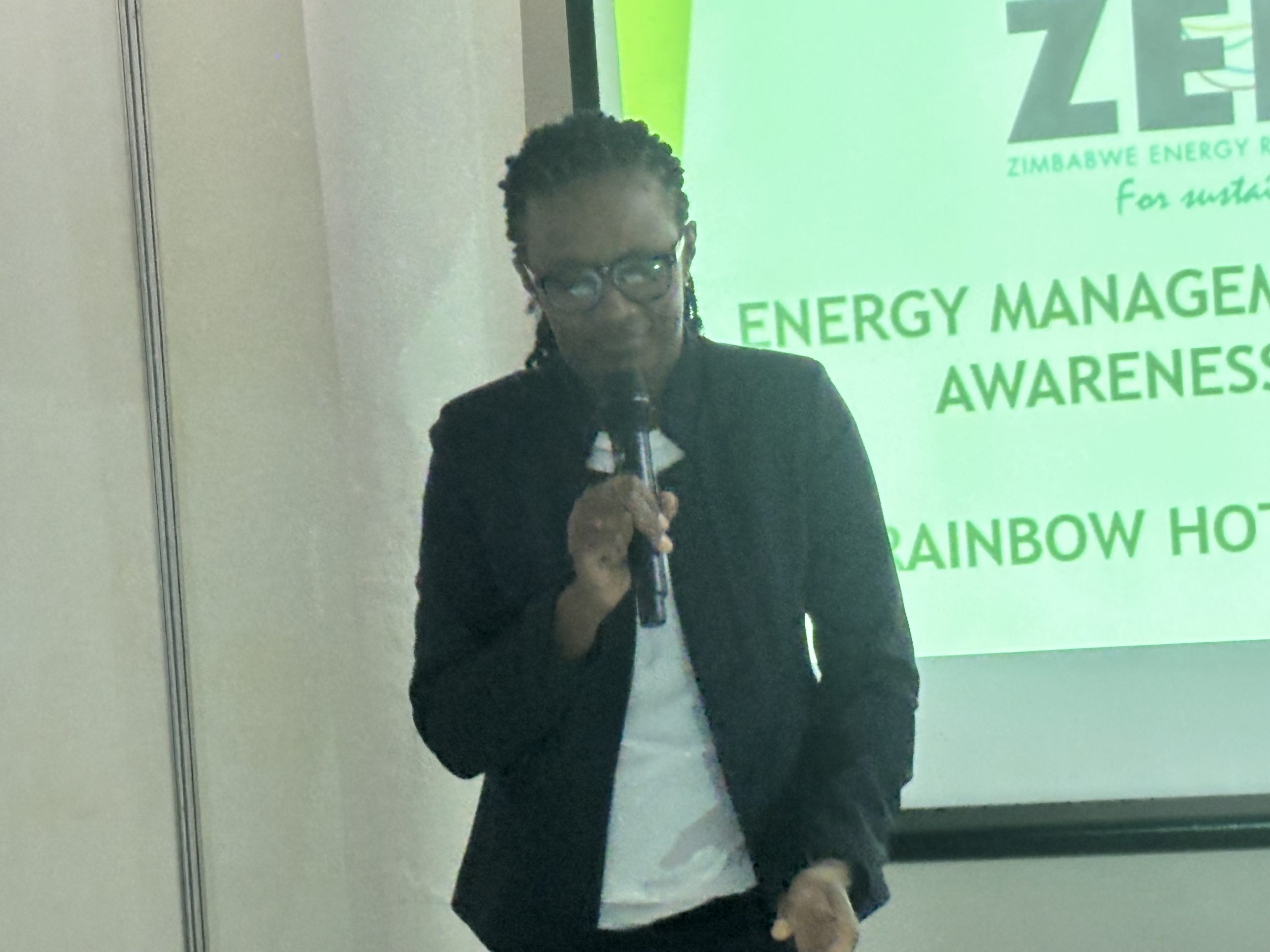
Zimbabwe Energy Regulatory Authority (ZERA) Chief Engineer for Electricity, Victor Sibanda said this in an interview on the sidelines of a stakeholder engagement workshop on the new energy regulations in Bulawayo on Tuesday.
He said Harare is being followed by the Midlands and the Mashonaland provinces while Matabeleland North is also among the areas recording significant activity.
“Harare is leading while Bulawayo is at the bottom of the national rankings in terms of both the number of licensed private power projects and the capacity approved for development,” Sibanda said.
The country is seeking to increase electricity generation through private sector participation and diversity in its energy sources as demand for power continues to surge.
Private investors have been licensed to develop projects using various technologies, particularly solar, as businesses seek to supplement unreliable electricity supplies and reduce their dependence on the national grid.
Sibanda said ZERA was concerned about the low uptake of private power generation in Bulawayo and would engage local stakeholders to establish the factors discouraging investment.
“We really don’t know we are probably going to look into and discuss with other people in the province to understand the issues which are probably prohibiting the province from taking up the space when it comes to energy generation,” he said.
The country’s power generation sector has traditionally been dominated by the state-owned Zimbabwe Electricity Supply Authority (ZESA) through its generation subsidiary, the Zimbabwe Power Company (ZPC), which operates major power stations including Hwange, Kariba South, Munyati, Harare and Bulawayo.
However, the country has progressively opened up the sector to private participation, allowing independent power producers to generate electricity for their own consumption or supply other users, subject to regulatory requirements.
The growth of IPPs has been driven by the need to close the gap between national electricity demand and available domestic generation with solar power projects in particular having attracted interest from businesses, mining companies and other institutions seeking reliable and sustainable energy supplies.
ZERA’s register of independent power producers includes projects in several provinces, ranging from small rooftop and commercial solar installations to larger solar and mini-hydro power stations.
The ZERA 2024 annual report also highlights the continued licensing of private generation projects, reflecting the growing role of independent investors in the country’s electricity industry.
Sibanda said the new regulations being explained to stakeholders were intended not only to strengthen oversight of the electricity sector, but also to create opportunities for businesses and individuals to participate in emerging areas of the energy industry.
“We have new legislation which came out at the end of the second quarter. We felt it was necessary to come back to the stakeholders and make them aware and understand their obligations,” he said.
Sibanda said the new regulatory framework was designed to clarify the responsibilities of different players in the electricity industry while opening up opportunities in areas such as energy management and monitoring of electricity demand.
“Changing energy market presented business opportunities for companies and individuals willing to venture into new services and technologies,” he said.
New Ziana