
By Johnson Siamachira
Harare, November 18,2026 (New Ziana) – Zimbabwe has emerged as a leading voice in global wildlife conservation after joining 24 other countries in launching a landmark declaration at the United Nations Climate Change Conference (COP31) in Türkiye, recognising wildlife protection as an essential component of climate action.
The Wildlife for Climate Declaration, launched in Antalya on Monday, commits the 25 countries to protecting, conserving and restoring wild animal populations and their habitats to strengthen natural carbon storage, biodiversity and climate resilience.
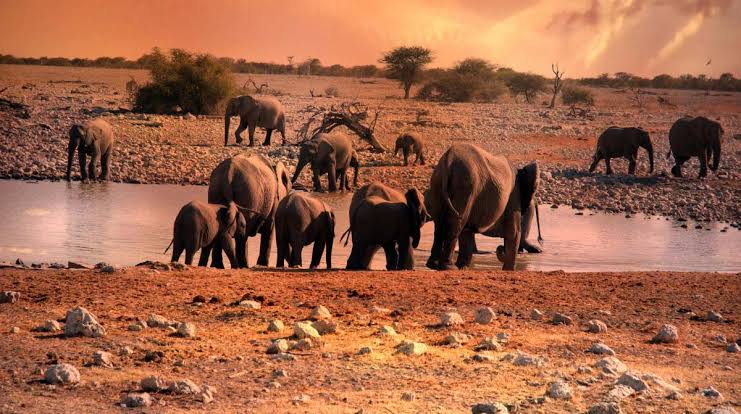
Zimbabwe’s leadership in the initiative highlights its longstanding conservation efforts, including the protection of extensive wildlife habitats and management of one of Africa’s largest elephant populations.
The declaration marks the first time a group of governments has jointly called for wildlife protection to become an integral part of climate action at a United Nations climate conference.
Speaking at a COP31 side event Tuesday, Minister of Environment, Climate and Wildlife Dr Evelyn Ndlovu said protecting wildlife went beyond preventing species extinction because animals played essential roles in maintaining healthy ecosystems.
“When we lose wildlife, it is not only a loss of species. It is a loss of the living processes that keep natural systems working as they should. That is why protecting and restoring wildlife is climate action,” she said.
Dr Ndlovu said Zimbabwe was ready to work with other countries to strengthen recognition of the relationship between wildlife conservation, healthy ecosystems and climate resilience.
Zimbabwe’s endorsement draws on its substantial wildlife conservation heritage. The country has established extensive protected areas, including the Hwange National Park, which covers approximately 14 651 square kilometres and supports one of Africa’s largest elephant populations.
The country’s 2026-2036 Elephant Management Plan estimates the national elephant population at approximately 91 768, although the figure draws on surveys conducted between 2021 and 2024 rather than a new nationwide census. Hwange alone accounts for an estimated 42 157 elephants.
Zimbabwe also pioneered community-based conservation through the Communal Areas Management Programme for Indigenous Resources (CAMPFIRE), which enables rural communities to benefit financially from wildlife resources through tourism and regulated wildlife utilisation.
However, conservation gains face growing pressure from climate change and competition between people and wildlife over natural resources.
The Zimbabwe Parks and Wildlife Management Authority (ZimParks) reported that human-wildlife conflict incidents increased 26 per cent from 1 654 in 2024 to 2 090 in 2025, with the incidents resulting in 62 deaths and 81 injuries, highlighting the need to balance wildlife protection with community safety.
The declaration encourages governments to incorporate wildlife protection into national climate and biodiversity strategies, strengthen habitat connectivity, address animal overexploitation and promote sustainable food systems.
At a time when countries are starting to put their natural ecosystems in their climate plans, leaving out measures to protect, conserve, and restore the animals that make those ecosystems work poses a significant risk to natural climate solutions delivery.
The Wildlife for Climate Declaration also offers a timely and politically practical response to this and addresses the absence of its acknowledgement in climate policy to date.
While the role of wildlife in climate action has been recognised in other multilateral environment agreements, including the Convention on Biological Diversity and the Convention on Migratory Species, it is yet to be recognised within the United Nations Framework Convention on Climate Change (UNFCCC).
The Declaration indicates that the tide is turning, establishes a shared direction, encourages cooperation, and brings greater coherence across existing commitments.
Other countries that endorsed the declaration include Belize, Brazil, the Democratic Republic of Congo, Fiji and Lesotho, Kenya and Zambia.
New Ziana