
Antony Chawagarira
THE Zimbabwe Mass Media Trust (ZMMT) has appealed to the Government to increase financial support for New Ziana, warning that inadequate funding could undermine the national news agency’s capacity to fulfil its public service mandate and support the country’s development agenda.
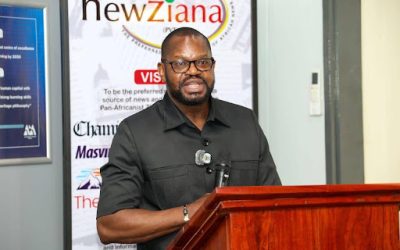
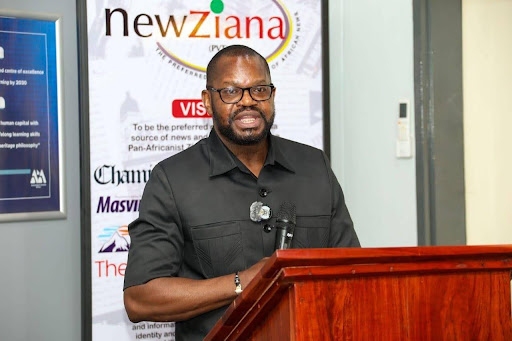
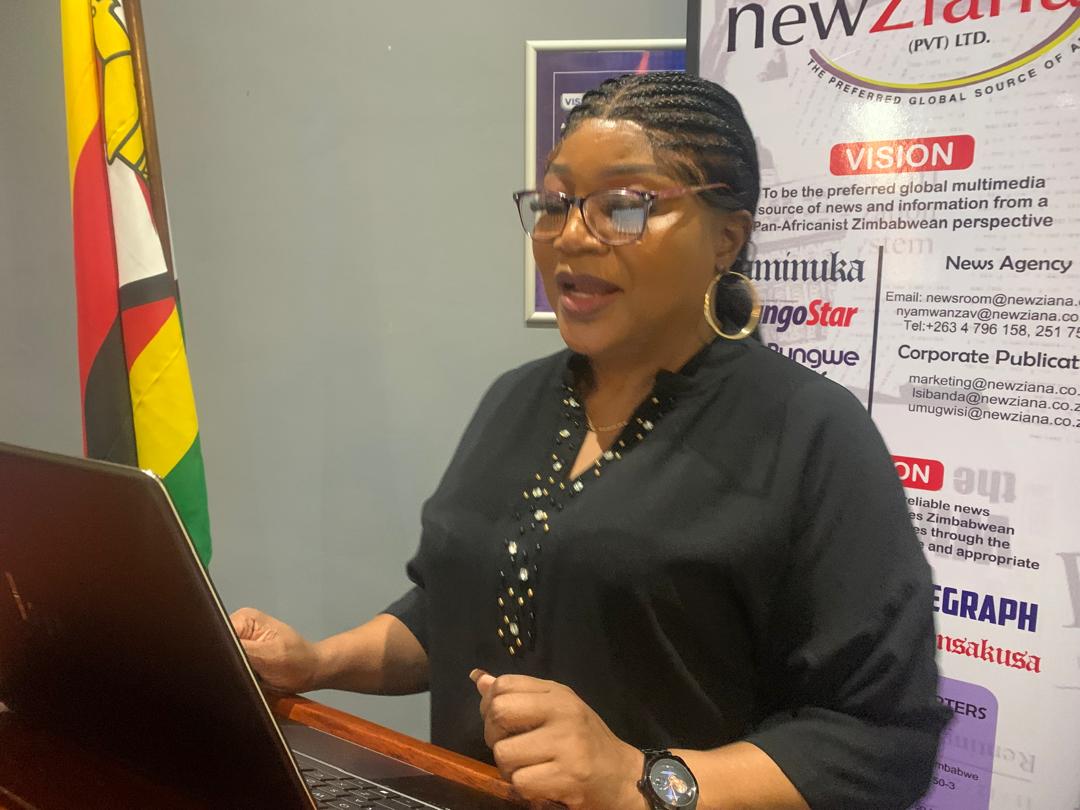
The appeal was made by ZMMT Board Vice Chairperson, Group Captain (Rtd) Dr. Patience Gawe, during the second day of New Ziana’s 2027 Strategic Planning Workshop in Harare on Thursday. The organisation is reviewing its operations and mapping strategies for the coming year.
The Board said New Ziana needed a more predictable and sustainable funding framework to enable it to maintain its provincial newspaper network, invest in digital transformation and expand access to public-interest information, particularly in underserved communities.
Dr Gawe said the media organisation plays a critical role in bridging the information gap between government development programmes and ordinary citizens, adding that national development requires an informed and actively participating population.
“Information is therefore an important enabler of national development. Communities need to understand what the Government is doing, what opportunities are available to them, and how national development programmes affect their lives and livelihoods,” she said.
The appeal comes as Zimbabwe implements the National Development Strategy 2 (NDS2), which seeks to accelerate progress towards Vision 2030, placing greater responsibility on public institutions to communicate development priorities and ensure communities benefit from national programmes.
The Board noted the financial burden associated with producing and distributing provincial newspapers, particularly in communities where commercial returns are limited but the need for information remained high.
“The ongoing production and distribution of provincial newspapers, particularly in underserved communities, remains a significant financial challenge. Yet, these are often the very communities whose participation and inclusion are central to the success of NDS2 and Vision 2030,” Dr Gawe said.
The organisation also requires investment in modern equipment, technology, systems and human capital to strengthen its digital platforms and respond to changing media consumption patterns.
The Board argued that without adequate resources, New Ziana could struggle to balance its commercial obligations with its responsibility to provide accessible and inclusive public-interest information.
While acknowledging the competing demands on the national fiscus, the Vice Chairperson said government investment in public information should be regarded as part of the broader national development effort rather than simply institutional expenditure.
“Our concern is not simply about sustaining an institution; it is about ensuring that an institution entrusted with an important public-service mandate has the capacity to fulfil that mandate,” she said.
However, the Board acknowledged that Government support should be complemented by improved internal revenue generation through stronger commercial operations, better management of the organisation’s property portfolio and exploration of new business opportunities.
It said a balanced funding model was necessary because some public service activities had considerable developmental value despite offering limited immediate financial returns.
Dr Gawe said New Ziana should be recognised as a strategic partner in communicating the country’s development agenda rather than merely a media organisation dependent on Government funding.
“Investing in New Ziana is also investing in the communication, visibility and inclusiveness of Zimbabwe’s development agenda,” she said.
The Board pledged to ensure accountability, transparency and prudent use of resources, with increased funding expected to translate into measurable improvements in the organisation’s performance. The three-day strategic planning workshop is focusing on digital transformation, revenue diversification and alignment with NDS2, which provides the national development roadmap for 2026 to 2030.