

By Mvelo Mthiyane Zondo
MATABELELAND SOUTH: Journalists have been urged to adopt ethical, objective and sensitive reporting when covering HIV and AIDS, with the National AIDS Council (NAC) emphasising the need to contextualise health issues within the country’s national development agenda.
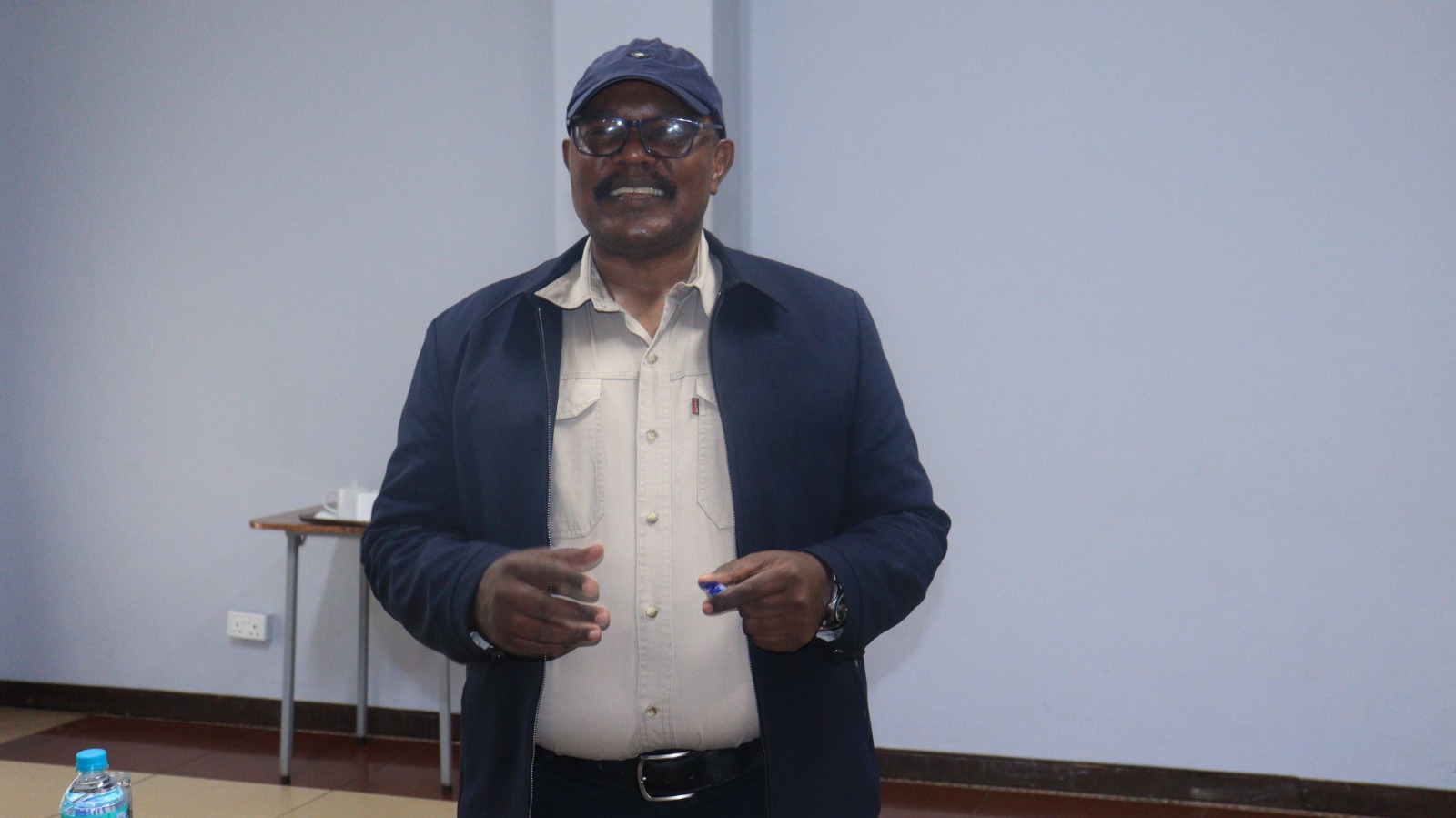
NAC Matabeleland South Provincial Manager, Mr Mgcini Sibanda, made the remarks during an engagement meeting with journalists in Bulawayo ahead of a four-day media tour of HIV and AIDS interventions in the province.
Sibanda challenged media practitioners to report responsibly while recognising the importance of national development priorities.
“Journalists should contextualise issues when reporting to push the national development agenda as enshrined in NDS1 and NDS2,” he said.
He added that NAC, as a parastatal under the Ministry of Health and Child Care, was guided by Government policies and the Constitution, and expected journalists to uphold professional ethics and objectivity.
Sibanda said the organisation’s interventions were guided by President Emmerson Mnangagwa’s philosophy of leaving no place and no one behind, with deliberate efforts to extend HIV prevention, testing and treatment services to remote and marginalised communities.
He cited Makhulela, home to the San community in Bulilima, Chikwalakwala in Beitbridge and Sigola in Umzingwane District as some of the communities targeted through NAC’s outreach programmes.
“Our mandate is clear: no place and no one in Matabeleland South will be left behind in our HIV and AIDS interventions. Whether a community is in a remote ward along the border or in an informal mining settlement, prevention, testing and treatment services must reach them equally,” said Sibanda.
Speaking at the same meeting, NAC Bulilima Programmes Assistant Limbongisani Khumalo highlighted the media’s critical role in shaping public perceptions and influencing health-seeking behaviour.
Khumalo urged journalists to avoid stigmatising language when reporting on HIV and AIDS, warning that terms such as “HIV carriers”, “victims” and “sufferers” could reinforce shame, fear and discrimination.
“As journalists, let’s try to use respectful and accurate language. Referring to individuals as ‘people living with HIV’ restores dignity and encourages community acceptance,” he said.
He said responsible reporting and the use of non-discriminatory language were essential in creating an environment where people could freely seek HIV prevention, testing and treatment services without fear of stigma.