

By Thabisani Dube
HARARE — Zimbabwe’s artificial intelligence-supported electronic traffic management system has recorded more than six million traffic violations since becoming operational in June this year, Home Affairs and Cultural Heritage Minister Kazembe Kazembe has said.
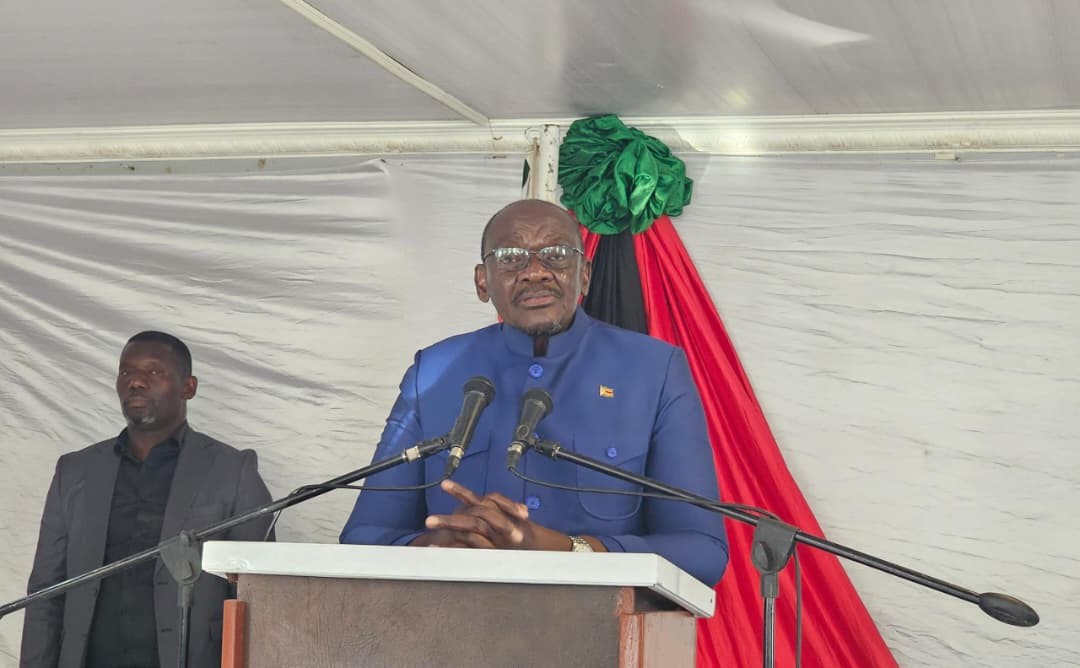
Speaking at the Road Safety Indaba in Harare on Friday, Kazembe said the system was detecting more than 40 000 violations daily, despite operating at only 20 road intersections in Harare and covering less than 25 percent of the intended deployment points.
He said the figures highlighted the scale of road traffic indiscipline and the need for stronger enforcement measures to reduce accidents and save lives.
“Six million violations have been recorded. And this represents well over 40 000 violations per day,” Kazembe said.
He said more than 90 percent of road traffic accidents were attributed to human error, judgement or misjudgement, adding that the technology would help address violations that often occurred because of limited police presence on the roads.
The system uses artificial intelligence-supported cameras to detect offences such as crossing continuous road markings, driving through red traffic lights, failure to wear seat belts, using mobile phones while driving and dangerous parking at intersections.
Kazembe said detected violations were captured through photographs and short video footage, which were subjected to human verification before notifications were sent to registered vehicle owners.
He said this process was intended to prevent motorists from being penalised in circumstances where their actions were justified, including crossing a continuous line to avoid hitting a pedestrian or responding to other situations beyond their control.
Motorists who receive violation notifications can contact the system’s command centre to raise complaints, while fines can be paid online or at designated police stations.
Kazembe said the Government planned to expand the system to other towns and cities, with further phases targeting additional sites and the installation of more cameras.
He also announced plans to introduce a demerit points system under which motorists would lose points depending on the severity of traffic offences.
Under the proposed arrangement, a violation could attract five points, while serious offences such as running a red traffic light could result in 30 points. Drivers who exhaust their points would be prohibited from driving.
The Government also intends to integrate the traffic management system with other platforms, including toll-gate and vehicle licensing systems, so that motorists with outstanding fines could face restrictions when accessing certain services.
Kazembe said the system was not intended to punish road users but to encourage responsible behaviour and reduce unnecessary loss of life and the diversion of resources caused by road accidents.
He acknowledged that implementation had faced challenges but said the Government was working to improve the system.
The minister urged motorists to comply with existing traffic regulations, emphasising that the technology was enforcing laws that were already in place rather than introducing new road rules.
The Road Safety Indaba comes amid concerns over rising road traffic fatalities and injuries in Zimbabwe. The United Nations has designated 2021 to 2030 as the Decade of Action for Road Safety, with the goal of halving road traffic deaths by 2030.