

Bulawayo, (New Ziana) — Zimbabwe’s new legal framework for identifying the real owners of companies could help authorities trace hidden wealth and curb illicit financial flows, while giving civil society a stronger role in the fight against corruption, an official has said.
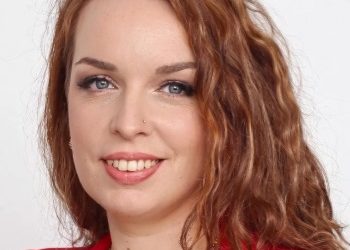
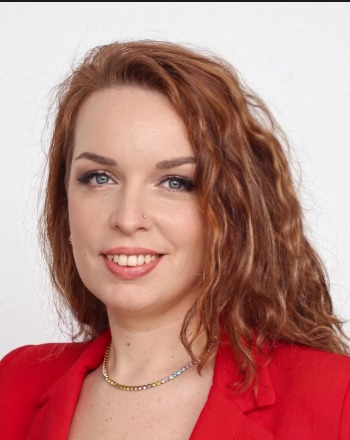
Speaking on the sidelines of a stakeholders’ engagement meeting in Bulawayo on Tuesday, Accountability Lab Zimbabwe (ALZ) senior programmes officer for research and development, Thulani Mswelanto described the law as an important step towards greater corporate transparency and stronger cooperation between government and civil society.
ALZ is part of a global network working to advance accountability, strengthen democratic governance and support citizens to build a more just and inclusive society.
“Zimbabwe has also done quite well in terms of coming up with a law related to beneficial ownership,” Mswelanto noted.
The Companies and Other Business Entities Act, 2019 requires companies to identify and keep information about their beneficial owners—the natural persons who ultimately own or control them, including through intermediaries.
Making that information available can help expose who stands behind companies and make it harder to conceal illicit wealth.
Mswelanto indicated that the law offers civil society an opportunity to engage with government and strengthen anti-corruption initiatives at community and national levels.
“The fact that we have already begun to have a law that speaks around beneficial ownership is a step in the right direction,” he highlighted, adding that legislation alone would not be enough without effective implementation and changes to existing systems.
He pointed to the CR6 forms used in company registration, saying they needed to be updated to reflect the law’s requirements.
Mswelanto also highlighted that an estimated US$1.5 billion annually is lost to gold smuggling in Zimbabwe, saying the funds could help improve the lives of citizens through better access to healthcare, infrastructure, education and social safety nets.
“The money could instead help improve people’s lives. Illicit financial flows across Africa arise from activities including corruption, criminal enterprise, tax evasion and trade mis-invoicing.
“Some involve money laundering, the process of disguising criminal proceeds to make them appear legitimate,” the senior researcher said.
United Nations Conference on Trade and Development estimates that Africa loses about US$88,6 billion annually to illicit financial flows, equivalent to around 3,7 percent of the continent’s Gross Domestic Product.
Mswelanto cited Zambia, Namibia and Kenya as countries using beneficial ownership transparency in their anti-corruption efforts, while noting that it is only one of several tools needed to tackle corruption.
“Beneficial Ownership Transparency is just one of the many methods and initiatives that can be employed,” he noted.
Mswelanto called for stronger systems and laws, effective implementation and continued collaboration between government and civil society to reduce illicit financial flows and protect resources needed by ordinary citizens.
“We need to strengthen our systems and laws, improve implementation and enhance collaboration between government and civil society to reduce illicit financial flows and protect resources needed by ordinary citizens,” Mswelanto urged.
Efforts to combat corruption across Africa have produced mixed results, with persistent illicit financial flows highlighting the need for stronger enforcement and accountability.
Transparency International’s 2024 Corruption Perceptions Index gave Sub-Saharan Africa an average score of 33 out of 100, while 90 percent of countries in the region scored below 50.
New Ziana