
By Thabisani Dube
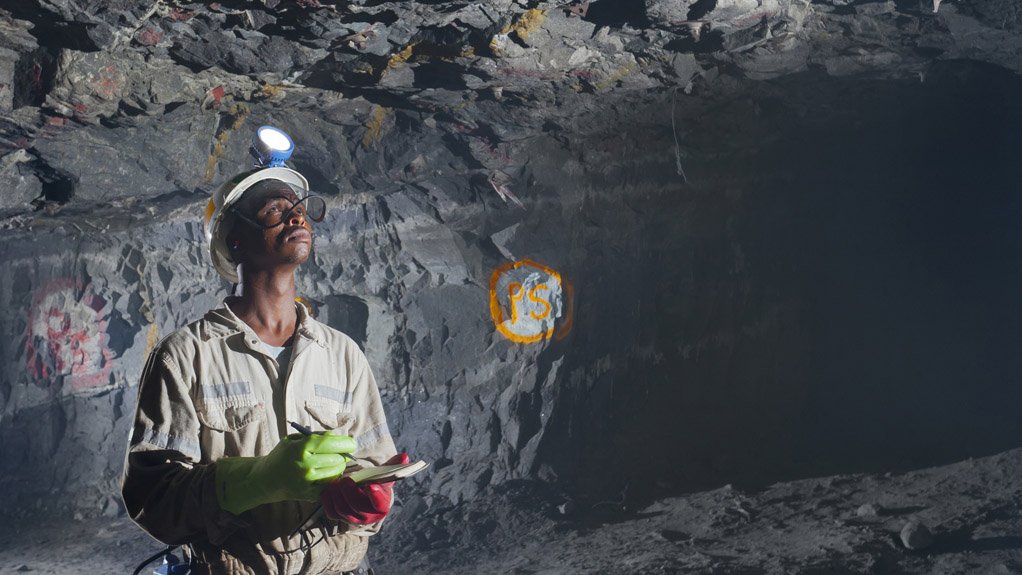
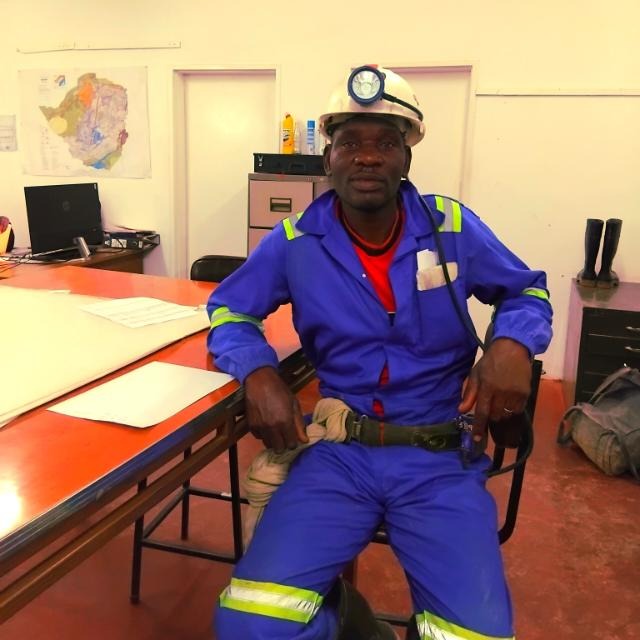
For Kevin Tshuma, who has worked at Turk Mine for more than 20 years, the relationship between mining and community development extends beyond the extraction of gold. Employment is important, but the benefits of mining can also be measured by whether surrounding communities have better schools, access to water, improved infrastructure and opportunities to build sustainable livelihoods.
“Having worked at Turk Mine for more than 20 years, I have witnessed changes in the mine and the surrounding community. I believe mining should not only provide employment but also contribute to the development and wellbeing of the people who live here,” Kevin Tshuma told New Ziana.
His experience provides a starting point for a wider question facing Zimbabwe’s mining sector: to what extent are the communities hosting the country’s mineral resources benefiting from mining-related investment?
In Bubi District, Matabeleland North Province, Turk Mine has supported education through a donation of 1,000 textbooks valued at US$9,000 to Turk Mine Primary School in February 2025. The donation was intended to address shortages of learning materials for pupils from Grade One to Grade Seven.
For Novate Tshuma, who completed primary education at the school more than 10 years ago, investment in education remains important for the opportunities available to children growing up in mining communities.
“I completed my primary education at Turk Mine Primary School more than 10 years ago. Looking back, I understand how important access to textbooks and adequate classroom facilities is to a child’s education. Support for schools can make a real difference to learners and help create better opportunities for the next generation,” Novate Tshuma told New Ziana.
The school’s headmistress, Thandiwe Mukahiwa, welcomed the donation, saying the school had lacked core textbooks for subjects including Ndebele, English and Mathematics. Published reporting also indicated that the mine had supported classroom improvements and other community initiatives.
Turk Mine organisational development manager Taurai Mrewa urged other mining companies to contribute to education in communities near their operations.
“We urge other miners across the district to do the same. Imagine if every small and large-scale miner contributed to the education of children near their mining operations — it would transform their futures,” he said.
The initiatives in Bubi reflect one way mining companies can contribute to local development. However, the wider question is whether such interventions are sustained, whether they address communities’ most pressing needs and whether their outcomes can be measured over time.
In Mashonaland Central, Shamva Gold Mine reported investing more than US$500,000 in community development initiatives over the two years preceding August 2025. According to Zimbabwe News Now, the projects included road rehabilitation, improvements to hospital facilities, sanitation initiatives and mobile health outreach.
The mine’s general manager, Gift Mapakame, said the company worked with local authorities and other stakeholders to expand essential services. He described health, empowerment, education and environmental stewardship as pillars of its corporate social responsibility strategy.
These initiatives illustrate how mining-related investment can extend beyond a company’s immediate operations. Road improvements can support transport and trade, while better health facilities and sanitation can benefit residents who may not work directly for a mine.
In Mberengwa, Midlands Province, Sandawana Mines reported allocating approximately US$475,000 to corporate social responsibility and management initiatives in 2025. The company said its activities targeted infrastructure, community welfare and social cohesion.
The reported investment provides another example of mining companies supporting development in host communities. However, expenditure figures alone do not establish how many people benefited, whether projects reached the most underserved households or whether improvements will continue after the initial investment.
This distinction between projects delivered and lasting community development is important when assessing the wider contribution of Zimbabwe’s mining sector.
A study published by Zimbabwe Ezekiel Guti University Press in November 2025 examined corporate social responsibility at Renco Mine in Nyajena, Masvingo South. The research found that, despite community development interventions over many years, residents continued to experience underdevelopment and felt the company had not done enough to support the host community.
The study identified challenges including limited community engagement, projects that were not sufficiently shaped by community priorities, funding constraints and concerns about the sustainability of initiatives after mine closure. Its findings point to the importance of involving residents in identifying, implementing and evaluating projects intended to improve their lives.
The findings do not establish that every mining company faces the same challenges. They do, however, raise questions about how corporate social responsibility is designed and assessed across the sector.
For communities, the difference between receiving a donation and experiencing lasting development can be substantial. A school may receive textbooks, but learners also need suitable classrooms, trained teachers and other educational resources. A community may benefit from a borehole, but the water supply must remain reliable and the infrastructure must be maintained. Roads require regular upkeep, while health facilities need staff, equipment and supplies.
Mining companies can make valuable contributions, but these initiatives should complement rather than replace the responsibilities of government and local authorities to provide essential public services.
Community participation is another important part of responsible mining. Residents are more likely to identify useful priorities when they have opportunities to raise concerns and participate in decisions about projects affecting their areas. Transparent reporting can also help communities understand what a company has promised, what has been delivered and what remains outstanding.
For mining companies, sustained engagement can help identify local priorities and build constructive relationships with residents. For local authorities, collaboration can help ensure that private-sector contributions complement development plans rather than create isolated projects with limited long-term value.
Zimbabwe’s mineral wealth presents opportunities for economic growth, employment and investment. Yet the benefits experienced by communities depend on more than the volume of minerals extracted or the amount of money companies report spending on social projects.
The experiences reported in Bubi, Shamva and Mberengwa show different forms of support for education, infrastructure, health and community welfare. The research on Renco Mine, meanwhile, highlights why the existence of corporate social responsibility programmes does not automatically mean that communities have achieved sustained development.
Assessing the sector’s contribution therefore requires attention to outcomes as well as commitments. Relevant questions include whether local people gain meaningful employment, whether schools and health facilities become better equipped, whether water and roads improve, and whether residents have a say in the projects intended to benefit them.
For Kevin Tshuma, the relationship between a mine and its surrounding community is shaped by more than employment. For former pupils such as Novate Tshuma, support for education is one way mining-related investment can influence opportunities beyond the immediate workforce.
Their perspectives reflect a wider national challenge: ensuring that mineral extraction is accompanied by development that communities can see, use and sustain.
Ultimately, responsible mining should be measured not only by the gold and other minerals produced, but also by whether host communities experience lasting improvements in their livelihoods, public services and opportunities. That requires transparent commitments, meaningful participation, accountable implementation and evidence that the benefits of mineral wealth extend beyond the mine gates.