
By Thabisani Dube
Every rainy season brings hope to Zimbabwe’s farmers.
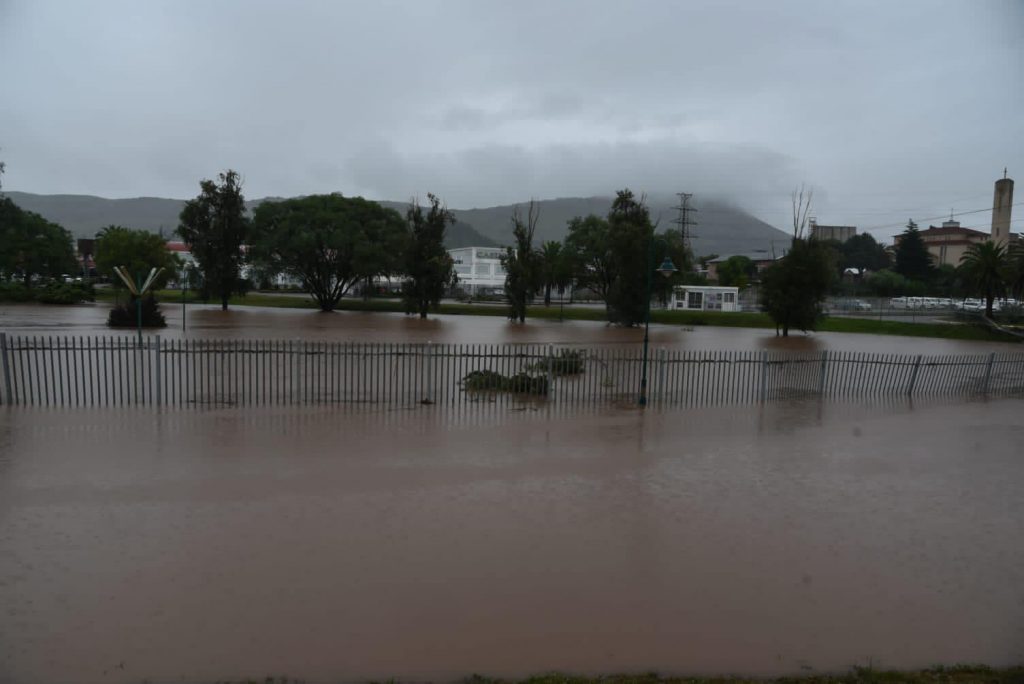
But this year, in communities from Hwange in the north-west to Chipinge in the south-east, the rains have also brought death, destroyed homes and crops, cut off roads and bridges, and exposed how vulnerable people can become when extreme weather collides with fragile infrastructure.
At least 109 people had died from rainfall-related incidents across Zimbabwe by late January, up from 79 the previous week, while 8,295 households had been affected, according to the Department of Civil Protection.
The department reported that 334 houses and 236 schools had been damaged, while roads, bridges, health facilities, farm dams and irrigation infrastructure were also affected. The International Federation of Red Cross and Red Crescent Societies estimated that the 8,295 affected households represented about 41,475 people.
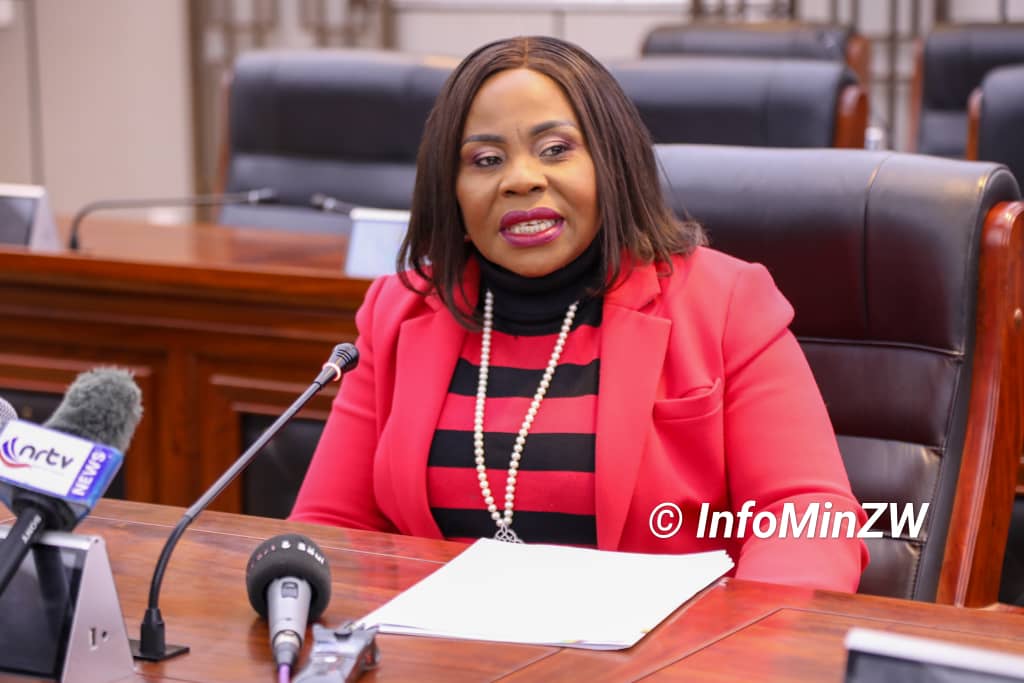
Speaking in an interview with New Ziana, Chief Director of the Department of Civil Protection Nathan Nkomo said incessant rains had resulted in loss of life, damage to property and infrastructure, and disruption to communities across the country.
“Owing to the incessant rains,” the department said in its situation report, Zimbabwe had witnessed loss of lives, livelihoods and property, as well as drowning, marooning of people in flooded rivers, mine collapses, landslides and lightning incidents.
The numbers are stark, but behind them are communities confronting a more complicated reality: climate hazards do not affect everyone equally.
In Harare, flash floods have repeatedly affected densely populated communities such as Mbare, where inadequate drainage, rapid population growth and settlement patterns can leave residents exposed when heavy rainfall overwhelms the city.
Harare Metropolitan Province recorded the highest number of affected households, at 5,093.
Matabeleland South recorded 1,600 affected households, while Manicaland recorded 510.
But Manicaland had the country’s highest number of fatalities, with 36 deaths, followed by Mashonaland West with 19 and Matabeleland South with 16.
In Hwange, Matabeleland North Province, the danger came from a swollen river.
A 31-year-old man, Washington Ncube, was swept away while attempting to cross the flooded Deka River after dropping off a passenger.
His vehicle was later found submerged downstream.
The incident was not an isolated reminder of the risks faced by communities living near rivers.
In December, four people attempting to cross a flooded river in Hwange using a donkey-drawn cart were also caught by strong currents, with one person dying, according to police.
For people living in areas where bridges and safe crossings are limited, avoiding flooded rivers is not always simply a matter of choice.
A river crossing can be part of the route to a home, workplace, market or essential service.
When the water rises, the same route can become a threat to life.
In other parts of the country, roads and bridges have also been damaged or rendered impassable, cutting communities off from schools, health facilities and markets.
The Department of Civil Protection reported that flooding had damaged critical infrastructure across the country, including roads, bridges, schools and health facilities.
At St Francis Xavier Primary School in Dete, Matabeleland North, extreme weather has also disrupted a vital community service — education.
Parish priest Fr Wisdom Simwinde said the effects of severe weather extend beyond damaged infrastructure, affecting children and families who rely on the school.
“When severe weather damages a school, the effects go beyond the buildings. It affects children, teachers and families,” he said.
Headmaster Nicholas Siameka said the school’s priority was to keep learners safe while ensuring that lessons continued.
“We need infrastructure that can withstand these weather conditions and protect our children,” he said.
The effects of the rains have stretched across Zimbabwe’s rural and urban landscape.
In Gokwe, a rural district in Zimbabwe’s Midlands Province, flooding and lightning have added to the dangers confronting communities already dealing with persistent rainfall.
For farmers, too much water can be as destructive as too little.
Farmer Memory Shoko said flooding had damaged maize fields, threatening both household food supplies and income.
For a smallholder farmer, losing a crop is not simply an agricultural setback.
It can mean losing food for the household, income for school fees, money for healthcare and the resources needed to prepare for the next season.
In Chiredzi and Zaka North, in Masvingo Province in south-eastern Zimbabwe, flooding has affected bridges. In Chipinge, Manicaland Province, communities continue to carry memories of Cyclone Idai, which devastated parts of eastern Zimbabwe in 2019. Idai killed hundreds of people across southern Africa, including Zimbabwe, and destroyed homes, roads, bridges and livelihoods.
For communities that have not fully recovered from previous disasters, another extreme-weather event can compound existing losses.
The growing impact of floods raises a difficult question: how much of the damage is caused by rainfall itself, and how much is magnified by the conditions in which people live?
In a well-serviced community, heavy rainfall may cause temporary disruption.
In an informal settlement with inadequate drainage, it can destroy a home.
In a rural area where a bridge has not been designed to withstand extreme flows, it can cut off an entire community.
For a farmer dependent on one harvest, flooded fields can threaten household food security for months.
This is where climate change becomes a question of justice.
People who have contributed least to global greenhouse-gas emissions can have fewer resources to protect themselves from the consequences of a changing climate.
Zimbabwe’s rural households, informal-settlement residents, smallholder farmers and communities living near rivers can be particularly vulnerable because their ability to relocate, insure property or rebuild damaged livelihoods is limited.
The climate crisis therefore intersects with rights to life, health, food, housing, education and livelihoods.
The World Weather Attribution research cited in the reporting indicates that climate change is increasing the likelihood and intensity of some extreme rainfall events in southern Africa.
Climate scientist Friederike Otto has highlighted the importance of understanding how a warming climate is influencing extreme weather while acknowledging the limitations of climate modelling in Africa.
The connection between climate change and a particular rainfall event must nevertheless be made carefully.
Climate change does not mean that every flood or rainstorm is caused solely by global warming.
Rather, a warming atmosphere can alter the likelihood and intensity of extreme rainfall, while local conditions determine how severely communities experience the resulting hazards.
In Zimbabwe, those local conditions include settlement patterns, drainage systems, road networks, bridges, river crossings, early-warning systems and the resources available to communities to prepare and recover.
For disaster officials, the challenge is not only responding after lives have been lost.
It is ensuring that people receive warnings early enough to act.
Nkomo has urged communities to heed warnings and avoid crossing flooded rivers and other dangerous areas during periods of heavy rainfall.
But warnings are only effective when people have safe alternatives.
A warning telling someone not to cross a river is of limited value if that river is the only available route to work, school, healthcare or home.
That is why climate resilience requires more than emergency messages.
It requires safer bridges and culverts, functioning drainage systems, reliable early-warning mechanisms, resilient schools and clinics, and community-level disaster preparedness.
It also requires authorities to understand which communities are most exposed and why.
The Government has deployed emergency resources to affected communities and taken measures to provide food and other assistance.
Such intervention is essential when families lose homes, crops and livelihoods.
But humanitarian assistance cannot replace long-term investment in resilience.
The International Federation of Red Cross and Red Crescent Societies said flooding had disproportionately affected low-lying rural areas, informal settlements and communities located near rivers, with access challenges slowing assessment and response.
That vulnerability is a warning for the future.
If damaged bridges are rebuilt to the same standards, if drainage systems remain inadequate and if communities continue to live in areas exposed to repeated flooding, emergency response will remain a cycle rather than a solution.
Zimbabwe needs infrastructure that anticipates the risks of a changing climate rather than simply repairing the damage after every disaster.
The statistics tell one part of the story.
The other is found in the farmer watching water cover a maize field, the family waiting for a missing relative beside a swollen river, the school community trying to continue lessons after a building is damaged, and the traveller facing a bridge that has become impassable.
For them, climate change is not an abstract discussion about global temperature targets.
It is the loss of a home.
It is a destroyed harvest.
It is a dangerous journey to hospital.
It is a school that can no longer be used.
It is a family waiting for someone who never comes home.
Zimbabwe has experienced droughts, cyclones, floods and other climate-related shocks before. But as extreme weather risks grow, the country’s ability to protect those most exposed will increasingly depend on whether climate action is designed around the people living on the frontline.
The question is no longer simply how much rain Zimbabwe will receive.
It is whether communities will have the protection, infrastructure, information and resources they need when that rain comes.
For a country confronting a changing climate, resilience is ultimately about more than rebuilding roads and bridges.
It is about protecting lives, livelihoods and human dignity.