
By Zachary Gava
Harare, (New Ziana) – The Common Market for Eastern and Southern Africa (COMESA) must strengthen domestic resource mobilization and attract investment to finance infrastructure and industrialization if its 680 million-strong market is to translate into an engine for sustainable economic growth, the regional bloc’s Secretary-General, Ms. Chileshe Mpundu Kapwepwe, has said.
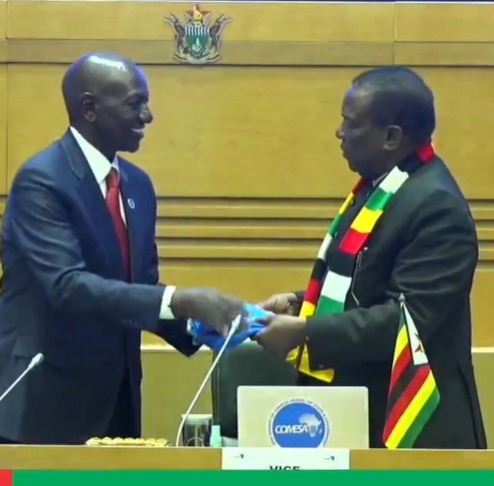
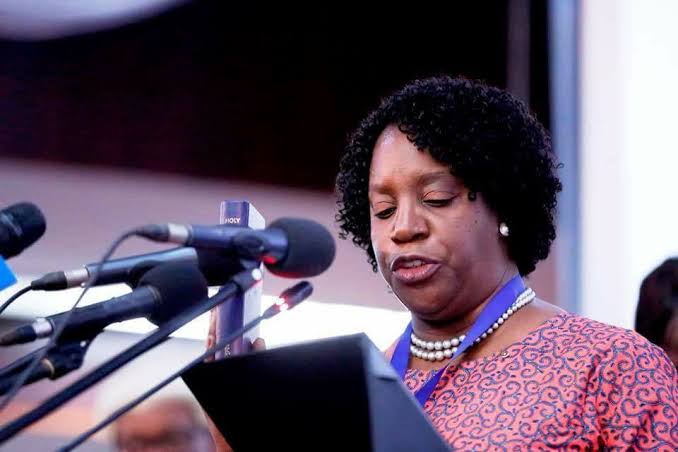
Addressing Heads of State and Government at the 25th COMESA Summit on Thursday, Kapwepwe said the region needed to move beyond trade liberalization and invest in productive capacity, infrastructure and regional value chains to unlock its economic potential.
She said the bloc’s 21 member states had a substantial market for farmers, manufacturers, service providers and entrepreneurs, but the challenge was to turn that market into increased trade, industrial production, investment and employment.
“Our challenge is to translate the scale of this market into greater inter-regional trade, investment, industrial production and employment,” she said.
“But regional integration cannot be sustained by trade liberalization alone. It must be supported by productive capacity, industrialization, infrastructure, investment, innovation and value addition.”
Kapwepwe said the region needed to establish stronger links between farmers, processors, manufacturers and suppliers to ensure that regional integration generated tangible economic benefits for businesses and citizens.
She identified financing as a critical requirement for achieving these ambitions, calling for stronger domestic resource mobilization to reduce reliance on external grants.
“How do we finance this transformation? The answer must include strong domestic resource mobilization efforts,” she said.
She said infrastructure gaps continued to constrain the region’s industrialization drive, with reliable and affordable energy, efficient transport corridors, modern border facilities and digital connectivity among the key requirements for expanding cross-border trade.
Industrial parks, logistics facilities and access to finance were also necessary to strengthen regional value chains and enable businesses to compete effectively.
She said the COMESA Secretariat was developing a resource mobilization framework anchored in provisions of the COMESA Treaty to help finance the bloc’s programmes and strategic priorities.
The Secretary-General also highlighted the COMESA Medium-Term Strategic Plan for 2026-2030, which provides the framework for the organization’s work over the next five years.
The plan focuses on consolidating regional markets, improving infrastructure and connectivity, strengthening productive integration, promoting inclusion through gender and youth initiatives, and building an effective and efficient Secretariat.
Meanwhile, Kapwepwe said the COMESA Green Connect Forum and Business Forum, held ahead of the summit, had provided platforms for governments, investors, development partners and private sector players to identify practical measures to accelerate trade, industrialization and investment.
A private sector position paper was also expected to be presented to the Heads of State and Government to ensure that business priorities informed regional policy decisions.
Kapwepwe acknowledged the support of development partners, including the European Union, World Bank, African Development Bank and United Nations system, in financing and providing technical assistance for COMESA programmes.
She, however, said the region needed greater collective commitment to mobilize resources and turn its economic assets into lasting prosperity.
“We have the market, we have the natural resources, the human capital, institutions, private sector and we now have the strategic framework,” she said.
“What we now require is the collective determination to mobilize resources and make the investments necessary to transform these assets into sustainable prosperity.”
The summit is being held under the theme “One Market, One Future: Advancing Development through Inclusive Industrialization, Investment and Regional Integration in COMESA”, which Kapwepwe said reflected the bloc’s ambition to deepen its regional market and ensure that the benefits of integration reach its citizens.
New Ziana