

By Simbarashe Muparaganda
Bulawayo, (New Ziana) — The Zimbabwe government has slashed energy licensing fees by 50 percent and exempted small power projects from licence charges, a move which is expected to lower the cost of doing business and encourage investment.
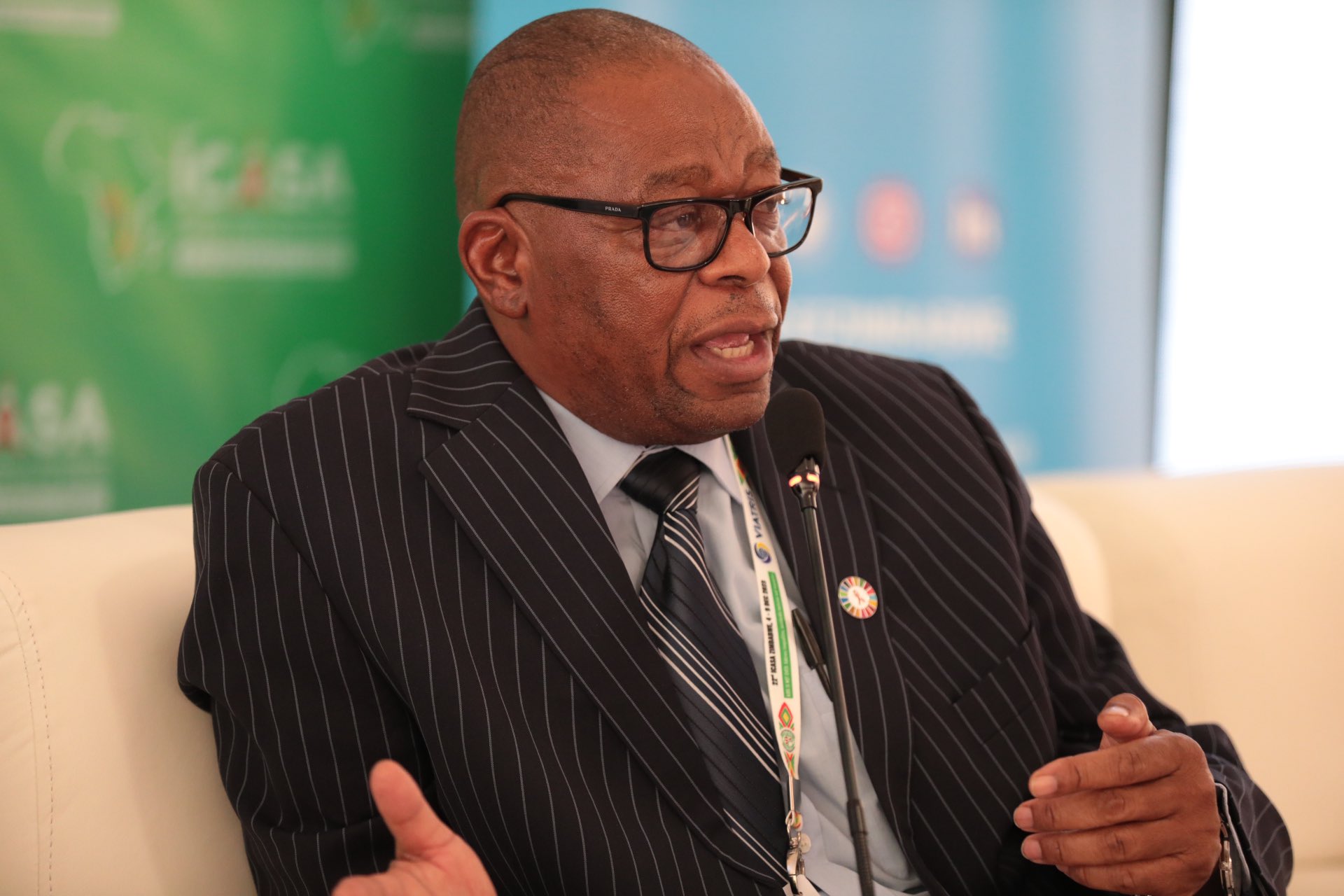
Zimbabwe Energy Regulatory Authority (ZERA) chief research and energy efficiency Engineer Victor Sibanda outlined the changes at a two-day electricity regulations awareness and energy management training in Bulawayo on Monday.
He explained to stakeholders that projects valued at US$10 000 or less would no longer pay licensing fees.
“For a power project which is US$10 000 and below, you are no longer paying anything. You pay US$20 plus VAT, which comes to about US$25. That is the only fee you pay to get a licence,” he explained.
Sibanda said the fee reductions took effect on July 31 this year, adding that the move applies to all energy sources and technologies proposed for electricity generation in Zimbabwe, giving the example of a licence that would previously have cost about US$20 000, saying it would now cost roughly US$10 000.
“The changes are intended to address concerns from businesses about high licensing costs and help make investment more viable,” he explained.
He stressed that reducing fees would assisdt in creating conditions for energy projects to support economic development, adding under the new regulations, there will be limits to electricity exports to protect local supply.
Under the revised guidelines, a generating plant may export up to 30 percent of its capacity, while the remaining 70 percent should stay in Zimbabwe, he said.
“We want more investment to come into Zimbabwe and more people to come with generation. But whatever you generate in Zimbabwe, at least a portion should stay in the country. The rules also place limits on electricity traders that buy power from one point and sell it elsewhere,” he said.
Sibanda explained that power sold under such arrangements should serve Zimbabwean customers, while no more than 20 percent of a trader’s contracted capacity may be taken outside the country.
He underscored that the measures were meant to safeguard local industries and consumers from a situation where electricity generated in Zimbabwe supports other economies while domestic businesses face shortages.
New Ziana