

By Thabisani Dube
HARARE — Women with persistent vaginal discharge, genital lesions and fertility problems may be suffering from female genital schistosomiasis, a neglected parasitic disease that can be mistaken for sexually transmitted infections and other reproductive health conditions, health professionals have warned.
The disease, caused by parasites associated with contaminated freshwater, can affect the female reproductive tract, causing chronic inflammation, tissue damage and scarring.
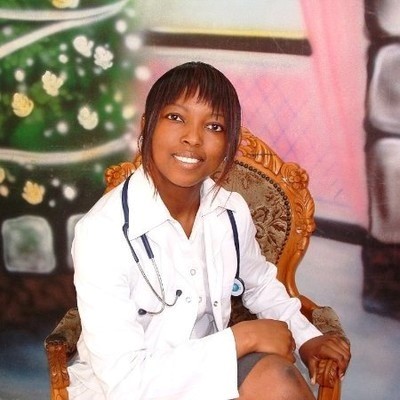
Speaking at Newlands Clinic’s 4th Annual Research Symposium in Harare on Thursday, Dr Tapiwanashe Chawafambira-Mari, (pictured) head of the clinic’s Women’s Health Department, highlighted the need for clinicians to consider the disease when assessing women with persistent or recurrent genital symptoms.
“How many of us clinicians who have seen women treated for STIs or HPV, but never asked about fresh water content,” she asked, stressing the importance of asking patients about contact with potentially contaminated freshwater.
Dr Chawafambira-Mari, whose work covers cervical cancer screening, colposcopy and the treatment of pre-cancerous lesions in women living with HIV, explained that FGS can damage genital tissues and affect reproductive health.
“It matters because it mimics other diseases,” she said, noting that women could repeatedly receive treatment for sexually transmitted infections or human papillomavirus (HPV)-related disease while FGS remained undetected.
The World Health Organisation estimates that about 56 million women and girls in sub-Saharan Africa may be affected by FGS. The disease is often underdiagnosed because awareness is limited and available diagnostic tools can make it difficult to identify.
Dr Chawafambira-Mari also highlighted the potential reproductive consequences, including reduced fertility and ectopic pregnancy. She said clinicians should consider FGS when assessing women with fertility problems, particularly those with a history of freshwater exposure.
Grace Dambanemweya, a registered general nurse, midwife and community health nurse with more than 40 years of nursing experience, presented two clinical cases demonstrating how FGS can be overlooked when women are assessed for cervical abnormalities.
One case involved a woman living with HIV who had persistent HPV-related abnormalities and underwent repeated procedures over several years. An earlier tissue examination had identified schistosomiasis, but the patient did not receive treatment after transport difficulties prevented her from collecting her results.
Further investigations later identified schistosomiasis alongside other genital and cervical abnormalities. The case also illustrated how financial constraints and difficulties travelling to the clinic can delay follow-up and treatment.
The second case involved a woman with persistent vaginal discharge lasting more than a year despite repeated treatment. Testing for sexually transmitted infections was negative, while subsequent tissue examination identified schistosomiasis alongside a low-grade cervical lesion. The woman continued to test positive for schistosomiasis despite previously receiving mass drug administration.
Dambanemweya said the cases demonstrated the overlap between different genital conditions and the importance of considering FGS when symptoms persist or disease repeatedly returns.
“The genital schistosomiasis can be missed until we do a histology,” she said, referring to the examination of tissue samples under a microscope.
She also emphasised the importance of taking a detailed patient history, especially for women from areas where schistosomiasis is common or who have a history of freshwater exposure.
“Persistent PV discharge on a woman, let’s reconsider and think maybe it could be FGS,” she said, urging clinicians not to focus exclusively on sexually transmitted infections or cervical cancer when investigating persistent symptoms.
The WHO has developed clinical guidance to help health workers recognise FGS and has encouraged its integration into sexual and reproductive health and HIV services.
The symposium also examined the importance of follow-up after treatment for cervical precancerous lesions, particularly among women living with HIV.
Sandra Murwira, a public health professional and registered nurse with more than 10 years of experience in cervical cancer prevention, presented an analysis of follow-up outcomes among women treated for cervical precancerous lesions in Harare.
Murwira coordinated Zimbabwe’s national HPV testing pilot, contributed to the development of national cervical cancer screening guidelines and received the Best Abstract Award in the clinical science track at ICASA 2025, according to her presentation.
She said screening and treatment were only part of the prevention process, and that researchers wanted to establish what happened to women after they received treatment.
“We often focus a lot on screening and treatment, but we wanted to go beyond that initial screening, screening and treatment and then see what happens to the women after,” she said.
Her analysis covered 3,358 women screened at three sites in Harare. Of these, 239 tested positive through visual inspection with acetic acid, while 231 were eligible for treatment and 214 received it.
Of the 204 women eligible for post-treatment follow-up, 177 returned for assessment, representing an 86.8 percent follow-up completion rate. Twenty-seven women did not return, despite efforts to contact them.
Among those who attended follow-up, 23 tested positive again. Murwira reported an 18 percent recurrence rate, although the figures presented require clarification because 23 out of 177 is approximately 13 percent.
She said the findings showed why follow-up must remain a priority even when treatment services are available.