
By Zachary Gava
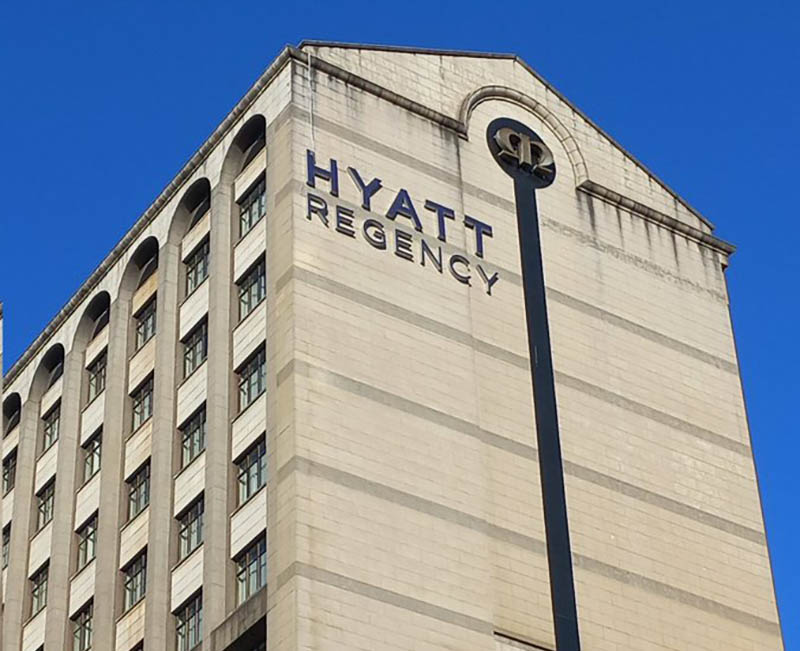
Harare, (New Ziana) –The Hyatt Regency Harare The Meikles Hotel is investing in a phased refurbishment programme that has transformed its public areas and conference facilities while introducing serviced apartments and upgraded guest accommodation, as the historic hotel seeks to strengthen its appeal to corporate clients, international visitors and long-stay guests.
The renovation programme, which followed the hotel’s rebranding in 2024, has progressed through three phases covering public spaces, event and conference facilities, and accommodation, according to the hotel’s director of sales, Nyasha Mandihimbira.
During a media tour of the refurbished facilities, Mandihimbira said the latest phase had involved extensive work on the hotel’s south wing, including improvements to room layouts, flooring and air-conditioning systems, alongside the introduction of self-catering apartments designed to serve guests staying for extended periods.
“We needed to make sure that we invest in upgrading the comfort, looks and feel of our rooms,” he said, explaining the rationale behind the refurbishment programme.
The investment reflects the importance of maintaining competitiveness in Harare’s hospitality market, where accommodation quality, conference infrastructure, food and beverage services, and facilities for corporate travellers are key components of a hotel’s commercial offering.
Established in 1915, Meikles Hotel is one of Zimbabwe’s longstanding hospitality institutions and its rebranding as Hyatt Regency Harare The Meikles Hotel in 2024 brought the property into the Hyatt Regency portfolio, linking its established local identity with an international hotel brand.
The phased approach has enabled the hotel to upgrade different parts of its operations, with the latest accommodation works representing a significant change in the configuration of its room inventory.
One of the most notable changes under the third phase has been the reduction in the hotel’s room count from 313 to 286 following the conversion of part of the south wing into one- and two-bedroom self-catering apartments.
Mandihimbira said the new accommodation category was intended to cater for guests staying in Harare for a month or two, particularly those who require greater independence than conventional hotel rooms offer.
“These are self-catering apartments. If you want to cook from there, you can, or you can use the hotel,” he said.
The apartments are expected to offer an alternative for long-stay corporate travellers and other visitors who need accommodation for extended assignments, business engagements or temporary stays in the capital.
From a business perspective, the introduction of apartments diversifies the hotel’s accommodation portfolio beyond conventional short-stay bookings, a format that gives the property an opportunity to target a different segment of the market while retaining access to its existing hospitality services.
Although the room inventory has declined by 27 units, the reduction does not necessarily translate into a loss of revenue potential. The commercial outcome will depend on factors such as occupancy, room rates, length of stay and the demand generated by the new apartment category.
Mandihimbira said the south wing was closed in September or October 2024 to allow extensive refurbishment works to be undertaken.
He explained that the decision to close the entire wing was necessary because the scale of the work would have made it difficult to continue accommodating guests in the affected area.
A key improvement has been the installation of individual air-conditioning units in guest rooms, replacing the previous centrally controlled arrangement that served the entire block.
The refurbishment has also seen carpeted room interiors replaced with wood-effect tiled flooring, alongside improvements to bathroom fittings and layouts.
These changes are intended to improve guest comfort and modernise the accommodation experience while bringing the hotel’s facilities in line with contemporary hospitality expectations.
The hotel’s accommodation is spread across its north and south wings, with guest rooms and suites occupying floors three to 12. The south wing has been the focus of the extensive works under the third phase.
The second phase concentrated on upgrading event and conference facilities, a key segment of the hotel’s business given its location in Harare and its appeal to companies, government institutions and organisations holding meetings in the capital.
Mandihimbira said the hotel had refurbished event spaces on the ground and first floors, improving their appearance, lighting, ceilings and overall ambience.
The upgraded facilities are designed to accommodate different types of business engagements, from smaller meetings involving 10 to 15 participants to larger conferences and corporate functions.
The hotel’s conference offering includes audiovisual equipment, public-address systems, projectors and screens, supporting meetings that require presentations and other technical facilities.
“Why are the conference spaces important? Because we have a larger element of our offering which focuses on conferences and board meetings,” Mandihimbira said.
“We attract a lot of corporates coming into Harare, meetings with the Government and meetings with a number of stakeholders. With our location, we need to make sure that we invest in upgrading the comfort, looks and feel of our rooms.”
The improvements are commercially significant because conference and events business can generate demand beyond overnight accommodation, including meeting-room hire, catering, food and beverage sales, and related hospitality services.
By providing a range of event spaces, the hotel can target different client requirements, from executive board meetings and stakeholder consultations to larger corporate gatherings.
The first phase focused on public spaces, laying the foundation for the wider refurbishment programme by improving the areas guests encounter when entering and using the hotel.
Further changes have been made to the hotel’s food and beverage offering, including restaurants catering to different customer preferences and occasions.
Mandihimbira highlighted the popularity of the Thursday barbecue buffet and Sunday breakfast, which he said were particularly suited to families.
The hotel also offers Indian cuisine prepared by an Indian chef, providing another dining option for guests and customers seeking specialized menus.
Changes to the pool area have also influenced the hotel’s restaurant configuration. Following the relocation of the swimming pool from the rooftop of the south wing to the first floor, the hotel introduced a restaurant outlet to serve swimmers and other guests seeking refreshments.
The move has allowed the hotel to align its food and beverage services more closely with the use of its leisure facilities.
Wellness has also featured in the refurbishment. A former spa area has been converted into a wellness centre incorporating a new gym, while the hotel’s heated outdoor swimming pool provides an additional leisure option.
Mandihimbira said the facilities were available to both in-house guests and walk-in customers, creating opportunities to attract business beyond those staying overnight.
The hotel is also working with Schoperade to improve the garden’s appearance and lighting, further enhancing the outdoor environment.
Such facilities broaden the property’s potential customer base by catering not only for accommodation guests but also for local residents and visitors seeking dining, fitness, leisure and weekend experiences.
Another addition is the Regency Club, established in space previously occupied by the rooftop swimming pool on the south wing.
The club is intended to serve eligible in-house guests, including those staying in club rooms and suites, by providing a more private environment for relaxation, refreshments and informal meetings.
Mandihimbira said the facility would offer complimentary snacks, selected light meals and a quieter setting for guests who require privacy for discussions or business engagements.
The club also provides panoramic views of Harare’s skyline, adding a premium element to the hotel’s accommodation experience.
Its introduction strengthens the hotel’s ability to differentiate room categories through access to exclusive facilities and services, although the precise commercial contribution will depend on the uptake of eligible room categories and guest demand.
The establishment of Meikles Hotel in 1915 gives the property more than a century of history in Zimbabwe’s hospitality sector. Its rebranding in 2024 as Hyatt Regency Harare The Meikles marked a new chapter in that legacy, combining its longstanding identity with the international presence of the Hyatt Regency brand.
Hyatt Regency hotels form part of Hyatt’s global hospitality portfolio, which serves business and leisure travellers in destinations around the world.
For the Harare property, the ongoing refurbishment is an opportunity to reinforce its positioning in the business travel and meetings market while expanding the range of services available to leisure guests and long-stay visitors.
The three-phase programme demonstrates a broad approach to repositioning the hotel, spanning guest-facing public areas, revenue-generating conference facilities and accommodation designed around different lengths of stay.
While the refurbishment represents a substantial operational undertaking, its longer-term success will ultimately be measured by the hotel’s ability to attract and retain customers, maintain occupancy, grow conference and events business, and generate sustainable returns from its upgraded facilities.
For a property with a history dating back to 1915, the challenge is to preserve its established identity while adapting to the demands of a modern hospitality market.
New Ziana