

By Archford Chirimudombo
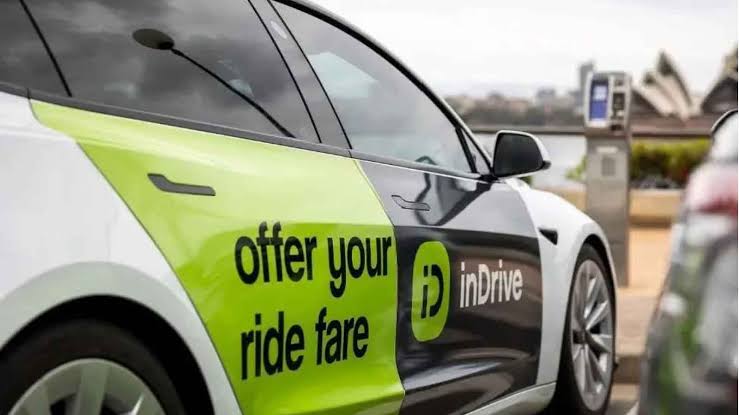
Harare, (New Ziana) – The Government has moved to formalize the operations of Zimbabwe’s growing e-hailing transport sector, with the Ministry of Transport and Infrastructure Development releasing draft regulations on Thursday to establish a legal framework for operators such as KOSE, Tap & Go, InDrive, Go Faster and Bolt.
The Ministry is seeking input from e-hailing operators, drivers, passengers and other stakeholders as it moves toward finalizing the proposed regulations ahead of their gazetting.
The development follows a Cabinet directive issued in September, which requires the regulations to be promulgated by December 31, 2026, as the Government steps up efforts to bring order and accountability to one of the country’s rapidly expanding transport segments.
The proposed regulations are intended to bring Zimbabwe’s e-hailing industry in line with regional and international standards. The Ministry said the draft framework was developed following extensive consultations with industry players and an assessment of international best practices.
“The Ministry invites stakeholders and members of the public to review the proposed draft Statutory Instrument and submit their views and recommendations before promulgation to inform the development of a regulatory framework for e-hailing services in Zimbabwe. Your input is important in shaping safe, efficient and well-regulated e-hailing services,” the Ministry said in a statement.
Under the proposed framework, the Government intends to introduce a self-regulatory model that requires e-hailing companies, operators and drivers to comply with clearly defined rules and operational standards.
The regulations will cover critical aspects of service delivery, including passenger safety, driver conduct and operational standards, with the broader objective of promoting professionalism and accountability within the industry.
The proposed legal framework also seeks to strengthen compliance with tax obligations, ensuring that players in the sector meet their statutory responsibilities.
E-hailing platforms have gained popularity among commuters, particularly in urban centers, by providing an alternative means of accessing transport through digital applications that connect passengers with drivers.
The services have also created employment and income-generating opportunities, particularly for young people, while offering commuters greater convenience, affordability and flexibility.
Once finalized and gazetted, the regulations are expected to provide a clearer operating environment for service providers while strengthening consumer protection and ensuring that the sector develops within an established legal framework.
New Ziana