
By Simbarashe Muparaganda
Bulawayo, (New Ziana)-Zimbabwe should move away from reacting to disasters to preparing for them in advance while essential supplies and response resources should be positioned before emergencies occur, a Cabinert Minister has said.
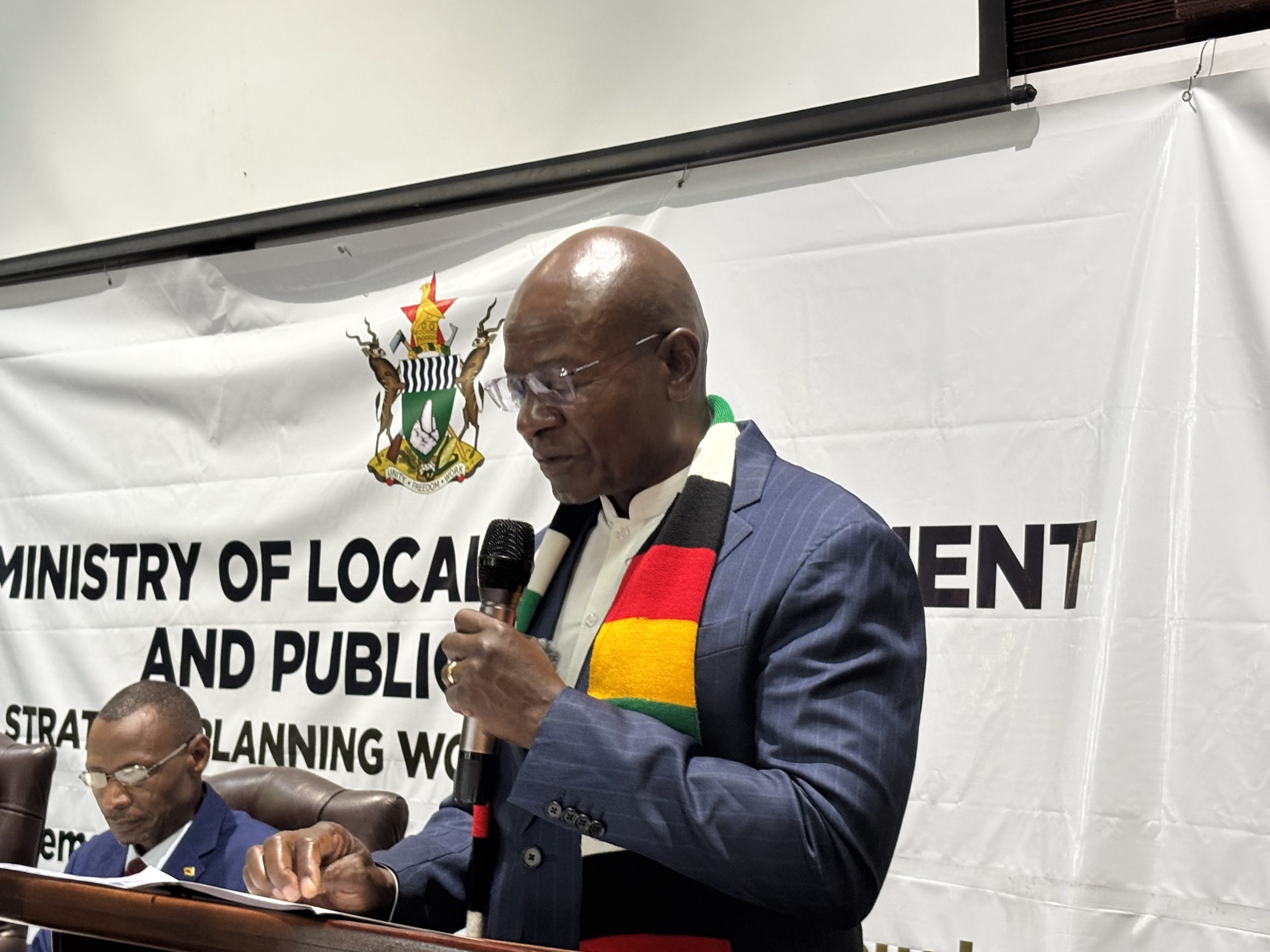
Local Government and Public Works Minister Daniel Garwe said this on Thursday while speaking at the National Stakeholder Consultative Workshop on the Development of a National Prepositioning Strategy for Zimbabwe in Bulawayo.
The workshop, supported by the World Food Programme (WFP) through the Regional Urban Preparedness Project Phase III, brought together government institutions, development partners and other stakeholders to discuss ways that Zimbabwe can strengthen its disaster preparedness and emergency response.
Bindura University of Science Education(BUSE) and the National University of Science and Technology(NUST) also offered technical contributions.
Garwe said the country needs stronger systems to respond to hazards including droughts, floods, tropical cyclones, disease outbreaks, veld fires and severe storms.
“We cannot afford to wait for disasters to occur before mobilising essential supplies, equipment and logistical resources. We must move from reactive emergency response towards proactive preparedness, Anticipatory Action and strategic prepositioning,” he said.
The proposed strategy is intended to ensure that relief supplies and response equipment are stored at suitable locations ahead of emergencies, allowing them to be deployed quickly when needed.
Supplies could include food, safe drinking water, shelter materials, medical supplies, hygiene kits, rescue equipment, fuel and transport resources.
Garwe said Zimbabwe’s experience with Tropical Cyclone Idai, recurring droughts, destructive storms and disease outbreaks had shown the importance of having resources and preparedness systems in place before a disaster strikes, adding planning should reflect the different risks faced across the provinces.
“Flood and cyclone-prone areas may require shelter materials, water purification supplies and rescue equipment, while drought-prone communities need arrangements that support timely action to protect livelihoods and food security. The strategy should also account for rural communities, urban settlements and hard-to-reach areas, drawing on disaster risk profiles, seasonal forecasts and vulnerability assessments,” he said.
He cautioned that prepositioning involved more than purchasing and storing supplies, as it also requires effective warehousing and stock management, reliable transport, clear procedures for releasing supplies and systems to replenish stocks after deployment.
Garwe called for clear institutional responsibilities, sustainable financing and accountability, alongside coordination between government Ministries, local authorities, humanitarian organisations and the private sector.
“Disaster preparedness is a shared responsibility, but it must be anchored in strong government leadership and coordination,” Garwe said, adding that the Department of Civil Protection(CPU) should continue to lead national coordination.
He urged participants to identify gaps in emergency logistics and warehousing and to draw on regional and international experience as they shape a strategy suited to Zimbabwe’s risks and capable of implementation at national and sub-national levels.
“Let us identify gaps in our emergency logistics and warehousing systems and draw on regional and international experience as we develop a practical strategy that responds to Zimbabwe’s risks and can be implemented at both national and sub-national levels,” the minister implored.
New Ziana