

By Thabisani Dube
HARARE – POLICE have defended Zimbabwe’s newly introduced Smart Traffic Management System, saying it is designed to improve road safety, promote compliance with traffic regulations and reduce opportunities for corruption, as the country recorded 1,979 road deaths between January and September this year.
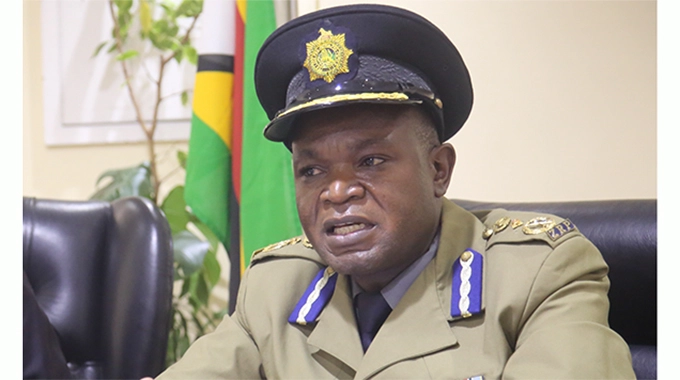
Speaking at a road safety reporting workshop organised by the Traffic Safety Council of Zimbabwe (TSCZ), police spokesperson Commissioner Paul Nyathi said the system, introduced by Government on October 17, was intended to encourage responsible driving rather than punish motorists unfairly.
“The electronic traffic management system in Zimbabwe has not come to punish innocent drivers,” Nyathi said.
“It has come to assist in policy. It has come to make sure that Zimbabweans promote road safety.”
He said the system was operational at 20 sites, with a command centre monitoring traffic violations and motorists able to query offences they believed had been recorded incorrectly.
Nyathi said motorists are given seven days to settle violations, followed by a further seven-day period before court proceedings begin if they fail to comply. He added that notifications were subject to validation.
The system is also expected to reduce direct interactions between motorists and enforcement officers, which police said could help minimise opportunities for bribery and inconsistent enforcement.
Nyathi urged journalists to broaden their coverage of road safety beyond accident fatalities, encouraging them to investigate driver behaviour, road conditions, traffic signage, vehicle fitness and the quality of driver training.
He highlighted speeding, night driving, the use of vehicle lights, failure to give way and congestion as issues requiring sustained public attention.
The Commissioner acknowledged complaints about road markings and traffic lights, saying authorities were taking note of concerns and engaging technical partners.
Figures presented by TSCZ managing director Munesu Munodawafa at the workshop showed that Zimbabwe recorded 48,150 road traffic crashes, 1,979 deaths and 8,061 injuries between January and September 2026.
Munodawafa attributed many crashes to human behaviour, including speeding, drunk driving, distracted driving, reckless overtaking, fatigue and failure to obey traffic regulations.
He also referred to a United Nations Development Programme study covering 2019 to 2021, which he said attributed 94 percent of road traffic crashes to human error.
The TSCZ managing director called on journalists to report not only the number of people killed and injured but also the lasting consequences of road crashes for survivors and affected families.
“Let us go beyond the numbers,” he said, urging the media to highlight the causes of accidents and possible solutions.
The workshop brought together journalists, police and road safety stakeholders to discuss how media reporting can contribute to public awareness, responsible road use and efforts to reduce road traffic crashes.