
By Thabisani Dube
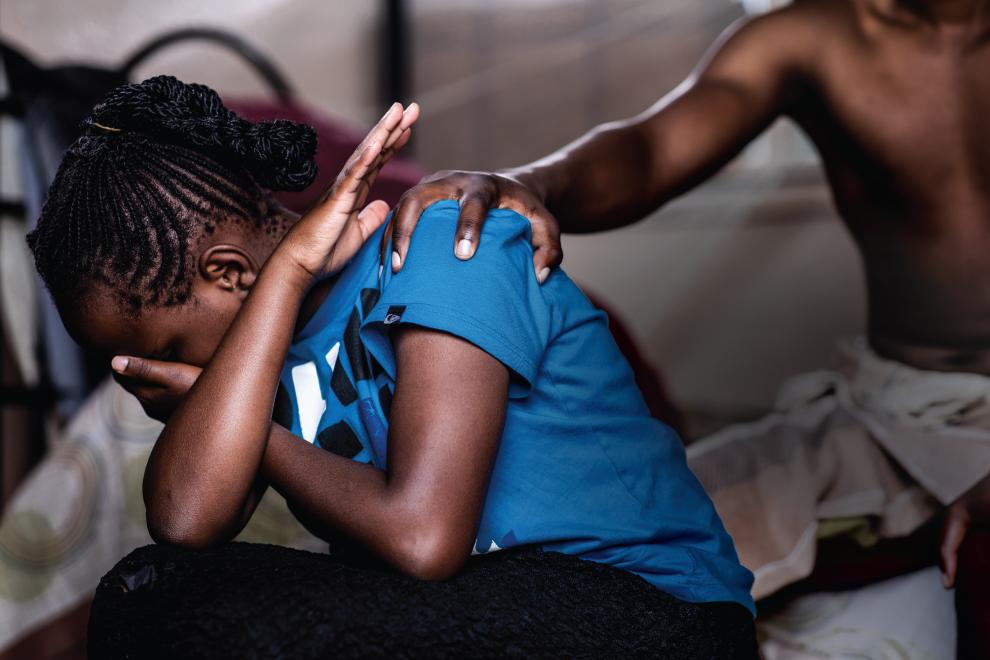
For Happiness Dube, 30, of Victoria Falls in Matabeleland North, seeking safety meant making a difficult decision: leaving her marriage and returning to her father’s home.
“I decided to go back to my father’s house, telling myself that I wasn’t the first to be a single parent or to leave a marriage,” she says.
Her family intervened. They sat down with Happiness and her husband before the couple separated, then supported her and helped care for her child.
But leaving did not immediately restore her sense of stability.
Happiness says it took years to accept and adapt to life after the separation. With her family’s support, however, the burden became lighter.
Today, she is working and supporting her child.
Her experience illustrates why responding to domestic violence requires more than urging survivors to leave. A person escaping abuse may need a safe place to stay, medical care, emotional support, legal assistance and an income to rebuild their life.
Domestic violence is also a sexual and reproductive health and rights concern. Abuse can threaten bodily autonomy, undermine personal safety and create barriers to accessing healthcare. Survivors must be able to seek appropriate assistance, make decisions about their own lives and obtain support without being pressured into reconciliation or other choices they do not want.
It raises a fundamental question for Zimbabwe: when someone says, “I’m not safe,” who listens, who responds and what happens afterwards?
The question has become more urgent following recent reported cases of domestic violence.
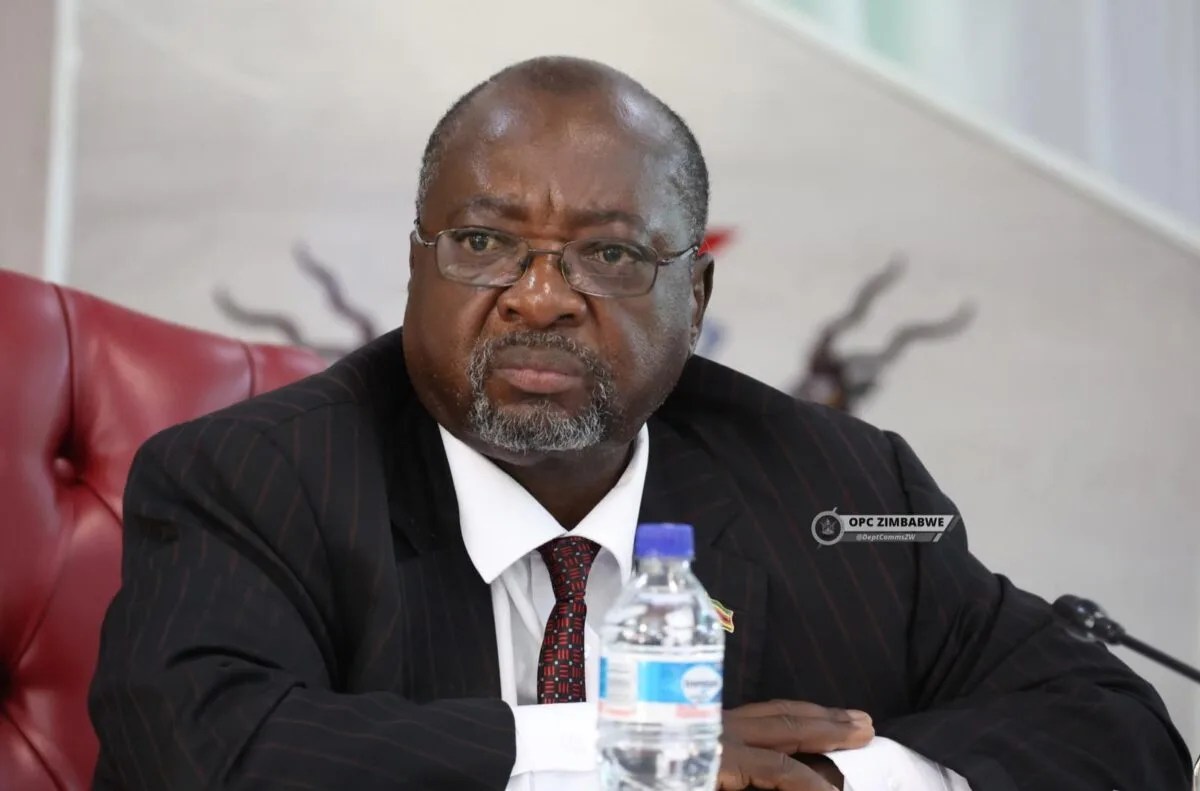
On September 9, 2026, Zimbabwe Human Rights Commission Commissioner Dr Martin Muduva and his wife, Lyliosa Chirara, died following a reported domestic incident at their Dzivarasekwa home in Harare. Muduva reportedly died at Parirenyatwa Group of Hospitals after sustaining injuries, while Chirara reportedly died after ingesting poison. Police investigations were under way, according to contemporaneous media reports.
Two days later, 29-year-old Sharline Rutendo Munenga appeared before a Harare magistrate facing a physical-abuse charge following an alleged altercation with her husband, Munyaradzi Pondi, 33, over suspected infidelity. Court reports said Pondi sustained serious injuries and was taken to hospital. The allegations had not been tested in court.
While women and girls bear a disproportionate burden of gender-based violence, men can also experience domestic abuse and require protection and support. These cases illustrate the potentially devastating consequences of violence within intimate relationships, although individual incidents alone cannot establish the prevalence or causes of domestic abuse.
The wider evidence points to a substantial protection challenge.
Zimbabwe’s 2023–24 Demographic and Health Survey found that 27 percent of women aged 15 to 49 had experienced physical violence since age 15, while 13 percent had experienced it in the preceding 12 months. Nine percent reported experiencing sexual violence during their lifetime, and five percent reported sexual violence in the previous 12 months.
The survey also found that 44 percent of women who had experienced physical or sexual violence had sought help.
These findings raise questions not only about the prevalence of violence, but also about whether survivors know where to seek help, feel safe enough to disclose abuse and can access services without stigma, financial hardship or fear.
Zimbabwe’s experience sits within a wider regional and global human-rights crisis. The World Health Organization’s 2023 estimates, published in 2025, indicate that approximately one in three women worldwide have experienced physical and/or sexual intimate-partner violence or non-partner sexual violence during their lifetime. WHO estimates the prevalence of intimate-partner violence in sub-Saharan Africa at about 32 percent.
The WHO identifies violence against women as both a major public-health and gender-equality problem and a violation of women’s human rights. Its consequences can extend beyond immediate injuries to affect survivors’ physical and mental health and their social and economic wellbeing.
For Zimbabwe, the challenge is therefore not simply whether policies and services exist, but whether survivors can reach them, receive appropriate care and obtain support throughout their journey to safety and recovery.
Vimbainashe Mutendereki, Executive Director of Musasa, says the first response to a disclosure should prioritise safety.
“People should listen without judgement, prioritise the survivor’s safety and connect them to appropriate services,” she says.
For some survivors, the first person they tell may be a family member rather than the police or a service provider. Happiness found support within her family, which helped her navigate separation and care for her child.
But informal intervention is not appropriate in every situation. Where there is immediate danger, serious violence, threats or coercive control, bringing a survivor and an alleged perpetrator together can increase the risk of further harm. Survivors should be able to make informed decisions about their safety and access specialist assistance when necessary.
Access to healthcare is a crucial part of that response. Depending on their circumstances, survivors may need urgent medical treatment, psychosocial counselling, sexual and reproductive healthcare, legal assistance or protection from further violence. Services must respect confidentiality and dignity while enabling survivors to make informed decisions about their care.
Zimbabwe has established a policy framework for addressing gender-based violence. The National Strategy to Prevent and Address Gender-Based Violence 2023–2030 was launched in January 2024 with support from the Southern African Development Community. It provides a framework for coordinated action by government and society, including prevention and responses to violence against women and girls.
However, the strategy itself recognises that implementation remains a challenge. UNFPA identifies inadequate funding, limited human and financial resources, weak coordination, insufficient accountability and limited awareness of rights and available services among the obstacles facing Zimbabwe’s national response.
These gaps matter because a policy commitment can only protect survivors when it translates into services they can actually reach and use.
Government has established One Stop Centres that bring together services for survivors, including healthcare, psychosocial support, legal assistance and police services. Mobile One Stop Centres have also been used to reach communities facing geographical and transport barriers.
Zimbabwe’s Beijing+30 country report, submitted in 2024, reported that the country had 13 One Stop Centres across all provinces and that 51,699 survivors of gender-based violence accessed these centres in 2022. The report also described the use of mobile centres to extend services to remote communities.
These figures demonstrate the reported reach of the service network at that time, but they do not establish how accessible or adequately resourced every centre is today. Nor do they show whether every survivor receives all the services they need.
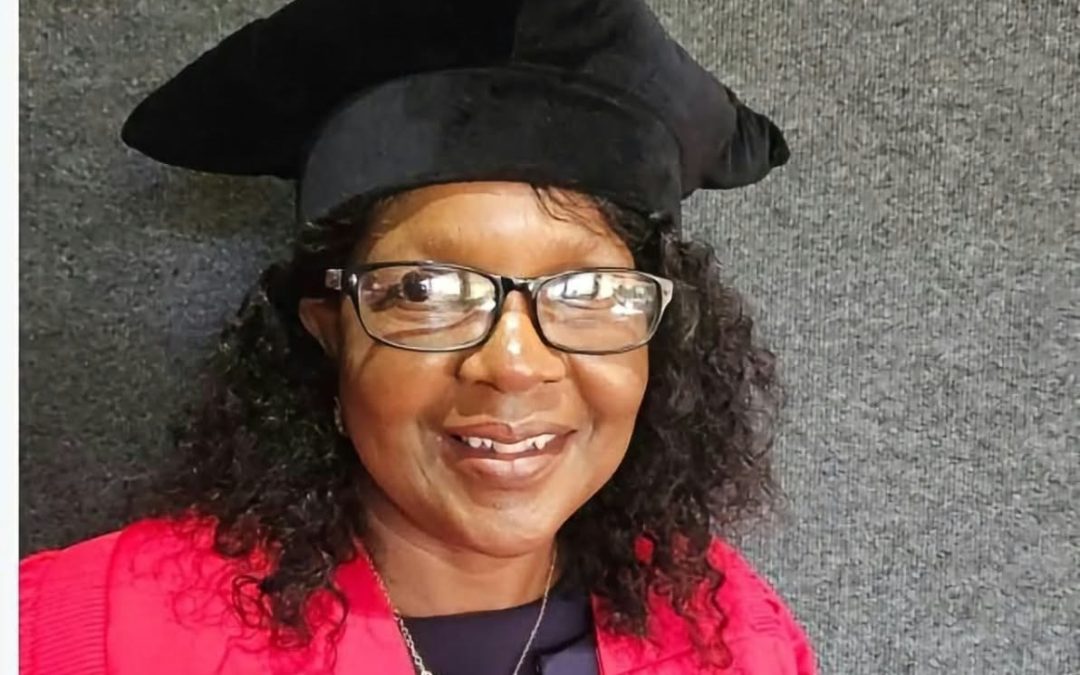
Dr Mavis Sibanda, Permanent Secretary in the Ministry of Women Affairs, Community, Small and Medium Enterprises Development, says mobile One Stop Centres are being used to reach underserved communities.
“Government has also introduced mobile One Stop Centres to extend essential gender-based violence services to remote and underserved communities, ensuring that distance does not become a barrier to accessing support,” she says.
Dr Sibanda says One Stop Centres operate in Harare, Mashonaland Central, Mashonaland West, Midlands, Bulawayo, Matabeleland South and Manicaland.
Distance, transport costs, stigma and lack of information can nevertheless prevent survivors from accessing available services. Establishing how effectively centres operate requires current information on their staffing, opening arrangements, referral systems, service availability and coverage of underserved communities.
Support must also continue after immediate danger has passed.
Clinical psychologist Sister Letwina Musekiwa says survivors may experience anxiety, sleeping difficulties, withdrawal, anger and strained relationships after abuse. Children who witness violence can also suffer lasting emotional trauma.
Recovery is not necessarily immediate, and survivors should not be expected to move on according to someone else’s timetable. Access to appropriate psychosocial care can be an important part of rebuilding a sense of safety and wellbeing.
Economic security also matters. Without an income, survivors may struggle to provide for themselves and their children, leaving them vulnerable to further hardship and pressure to return to unsafe relationships.
Happiness’s experience shows the value of having people who stand beside a survivor after separation. Her family helped carry the burden while she adjusted to a new life and continued caring for her child.
But not every survivor has such a support system. Those without supportive relatives may need access to safe accommodation, healthcare, counselling, legal assistance and livelihood opportunities.
Zimbabwe’s response must therefore connect families and communities with accessible, confidential and survivor-centred services. Prevention and protection must go hand in hand with healthcare, psychosocial support and practical assistance that enables survivors to make decisions about their own futures.
Domestic violence should not become visible only when a life is lost or a case reaches court. Nor should a survivor have to navigate the consequences of abuse alone after finding the courage to speak.
For Happiness, telling her family was the first step. Years later, she is working and supporting her child. Her experience shows that leaving an abusive relationship may be only the beginning of a longer journey towards safety and recovery.
When someone says, “I’m not safe,” the response cannot simply be “leave”.
It must also ask: Where can you go? Can you access the healthcare and support you need? Who will help you rebuild your life? And what happens after the immediate crisis?
Listening matters. So does believing survivors, protecting their safety, respecting their choices and ensuring that support is available when they need it.