
By Simbarashe Muparaganda
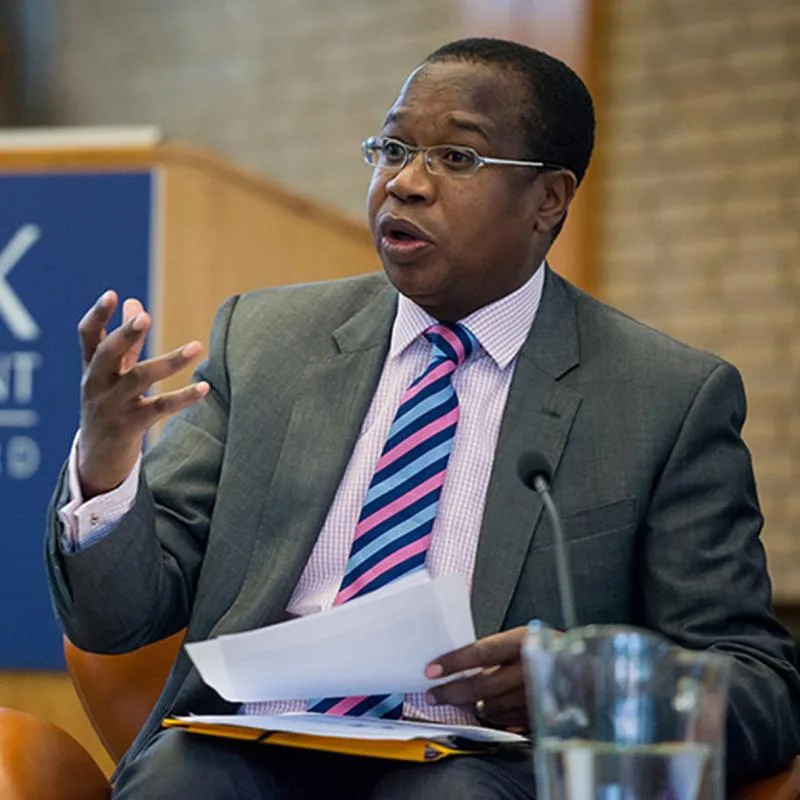
Bulawayo, (New Ziana) —Zimbabwe’s performance on gender and human capital development contributed to its strong showing against World Bank criteria used to assess countries considered fragile or affected by conflict, a Cabinet Minister has said.
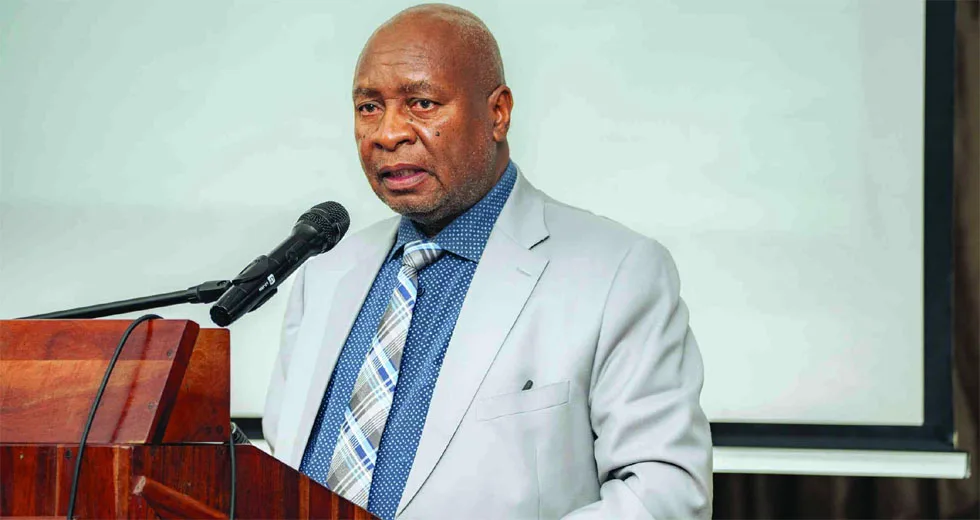
Speaking at the 2027 National Pre-Budget Seminar in Bulawayo on Friday, Finance Minister Professor Mthuli Ncube said Zimbabwe had scored highly on gender issues following the decision by the government to abandon plans to disband the Zimbabwe Gender Commission (ZGC) during the Constitutional Amendment Number 3 Bill (CAB3) processes,
The original CAB3 proposed scrapping of the ZGC as a separate constitutional institution and transferring its gender-equality functions to the Zimbabwe Human Rights Commission (ZHRC).
Following objections raised during the public consultative process and debate in Parliament, the government conceeded to remove the proposed clause from the Bill, leaving the Gender Commission intact as a stand-alone body.
Prof Ncube commended lawmakers for retaining the Commission, saying Zimbabwe had scored highly on gender issues and urged that the institution remain separate and well supported.
“I’m pleased that when we did Constitutional Amendment No. 3, you managed to maintain it as a separate, stand-alone entity. Never change that. Keep it separate. Keep it well supported,” he said.
He said Zimbabwe had also previously fallen short on macroeconomic stability, one of the World Bank assessment criteria, but the country’s position was now shifting.
“Now that we have that in place, our position is shifting, because we have always remained strong on human capital development. And then also, believe it or not, we scored quite high on gender issues,” he said.
Prof Ncube described Zimbabwe’s removal from the World Bank list of fragile or conflict-oriented countries as an achievement, and cited the country’s international re-engagement, including its admission to the New Development Bank commonly known as BRICS Bank.
He also described the election of Zimbabwe to the United Nations Security Council as a non-permanent member, as developments that could support further progress.
Prof Ncube said the Zimbabwean economy was strong, resilient and stable as the country pursues its vision to become an uppr middle income society by 2030.
He said the 2027 National Budget would need to strengthen the ability of the country to withstand climate shocks through measures including building grain reserves, expanding irrigation, supporting agricultural insurance and assisting farmers.
The government was targeting a strategic grain reserve of 600 000 metric tons, while the cereal harvest was expected to reach about 1.6 million tons, he said.
Prof Ncube also highlighted growth in livestock and dairy production, noting that milk output was expected to reach 131 million litres by year-end, up from 6 million litres in 2017.
“The national cattle herd has risen to about 6 million. We’ve seen over the years a strong performance in the dairy sector. poultry production is also charging along. Egg production has also surged,” he said.
He said manufacturing capacity utilisation was about 61 percent, compared with 45 percent in 2017, and that manufacturing contributed 17 percent to gross domestic product.
“The government will continue using budget support and incentives to encourage productive sectors,” the minister said.
New Ziana