
By Zachary Gava
The Zimbabwe government has reaffirmed its commitment to promoting sustainable waste management, eliminating hazardous chemicals from plastic products and accelerating the transition towards a circular economy, as the country hosted a regional meeting aimed at tackling plastic pollution across Africa.
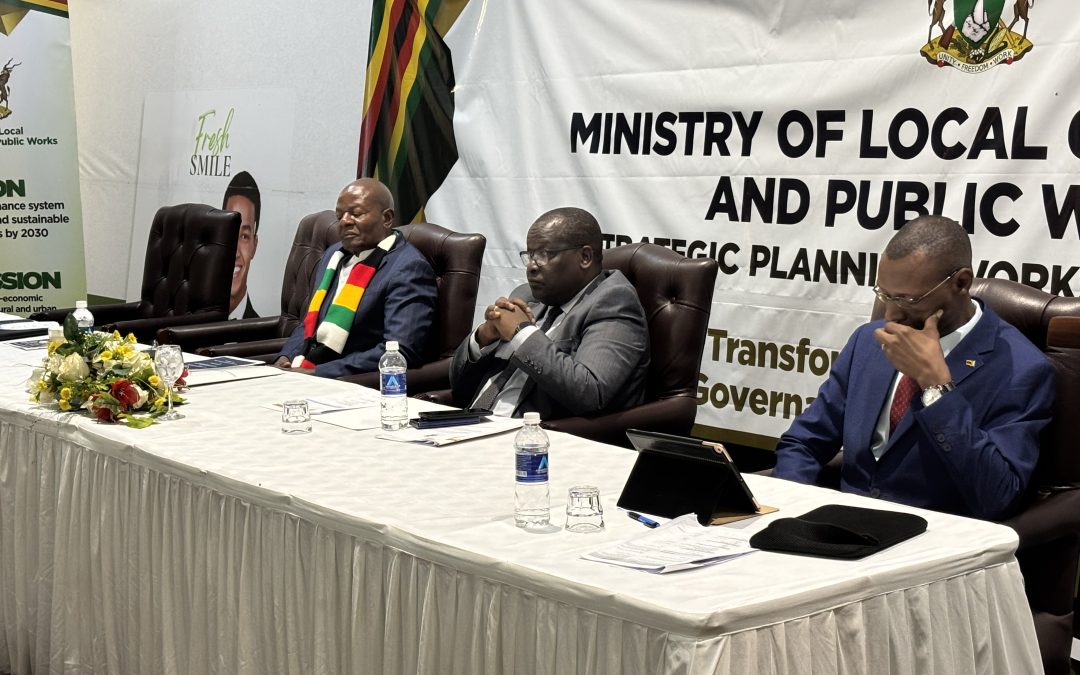
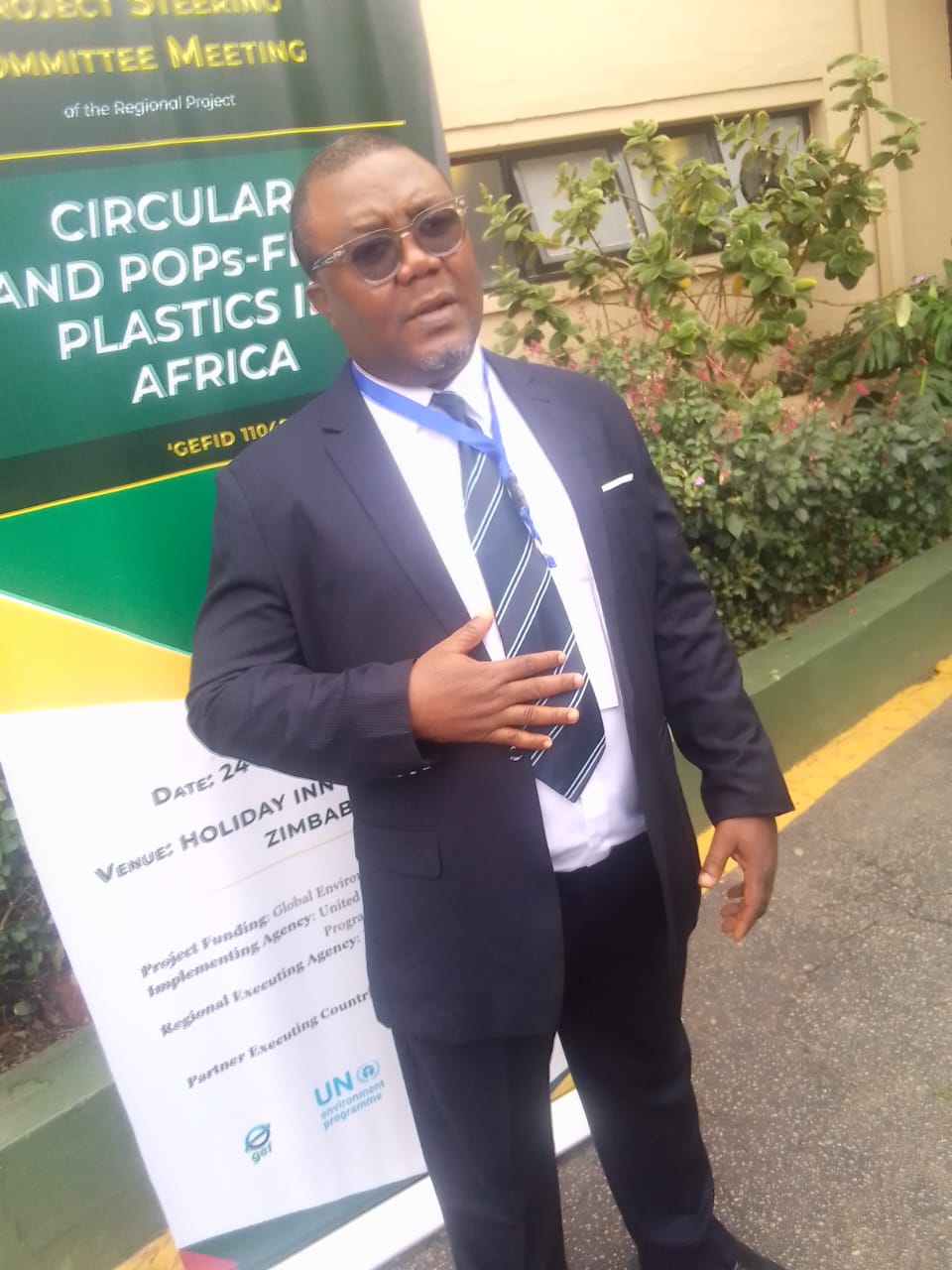
The Ministry of Environment, Climate and Wildlife permanent secretary Simon Masanga made the committment in a speech read on his behalf by Ministry director Edward Samuriwo at the Circular and POPs-free Plastics in Africa (GEF ID 11049) Project Steering Committee Meeting held in Harare on Wednesday.
Government officials and regional partners gathered to assess progress and strengthen cooperation in addressing the environmental and health risks associated with plastics.
Masanga said plastic pollution remained one of Africa’s pressing environmental challenges, requiring collective action to protect ecosystems, human health and livelihoods.
He said particular attention needed to be given to persistent organic pollutants (POPs) and other hazardous chemicals in plastics, which can undermine recycling initiatives and expose communities to harmful substances.
“Plastic pollution remains one of the most pressing environmental challenges of Africa,” he said, emphasizing the importance of moving away from the conventional linear economic model towards a circular system in which plastics are designed for reuse, recycling and recovery.
Masanga said the initiative presented an opportunity to promote innovation, create green employment opportunities and expand economic participation, particularly among women and young people.
He said Zimbabwe’s participation in the initiative was consistent with the country’s broader environmental sustainability agenda, adding that the government remained committed to strengthening waste management systems and promoting a safe, clean and healthy environment.
Masanga urged participating countries to use the meeting to develop practical solutions that would translate discussions into tangible environmental benefits.
“I encourage all members of the steering committee to engage openly and constructively, in a spirit of partnership and African solidarity.
Let us share our experiences and agree on practical actions that will accelerate implementation and deliver tangible results on the ground,” he said, adding that stronger regional cooperation would be critical in advancing sustainable plastics management across the continent.
Basel Convention Coordinating Centre for Africa executive director Prof Gilbert Aide said eliminating hazardous chemicals from plastics was essential to protecting human health and ensuring that recycling efforts did not inadvertently perpetuate environmental contamination.
He said the project provided an important framework for addressing the problem through coordinated interventions, environmentally sound waste management and stronger recycling systems.
“As the executing agency, BCCC Africa remains committed to providing the necessary coordination, technical leadership and institutional support to ensure the successful implementation of the project,” he said.
Prof Aide however, emphasized that the project’s success would depend on strong partnerships, national ownership and active collaboration among participating countries.
He said the steering committee meeting offered an important platform to review implementation progress, address challenges, exchange experiences and agree on practical strategies for achieving the project’s objectives.
Prof Aide called on delegates to prioritize accountability, cooperation and measurable results, noting that lessons generated through the initiative should inform wider African efforts to tackle plastic pollution.
The Circular and POPs-free Plastics in Africa project is a regional initiative funded by the Global Environment Facility (GEF), implemented by the United Nations Environment Programme (UNEP) and executed by the Basel Convention Coordinating Centre for Training and Technology Transfer for the African Region.
The initiative involves Zimbabwe, Kenya, Nigeria, South Africa and Uganda.
It seeks to reduce the importation, production and use of plastics containing persistent organic pollutants, while also addressing the generation of unintentional POPs during waste treatment and other processes.
The project has received an US$11 million GEF grant, complemented by approximately US$79.9 million in co-financing, bringing its total financing package to about US$90.9 million.
Through the initiative, participating countries are expected to strengthen institutional capacity, improve the management of hazardous plastic waste and promote sustainable production and consumption practices.
New Ziana