

By Archford Chirimudombo
Mount Hampden, October 21, 2026 (New Ziana) – Zimbabwe was on Wednesday elected to chair the Common Market for Eastern and Southern Africa (COMESA) Council of Ministers, placing the country at the helm of the regional bloc’s drive to deepen economic integration, strengthen peace and security and build resilience against mounting regional and global challenges.
The country will formally assume leadership of the wider COMESA bloc on Thursday when President Emmerson Mnangagwa takes over as Chairperson of the COMESA Authority of Heads of State and Government at the 25th Summit.
The transition follows the conclusion of the 21st Meeting of COMESA Ministers of Foreign Affairs at the Parliament Building in Mount Hampden, where Ministers reviewed the region’s political and security situation and considered measures to advance regional cooperation.
Minister of Foreign Affairs and International Trade, Professor Amon Murwira, delivered the opening remarks at the meeting, which brought together Ministers from Member States against a backdrop of escalating security threats, political instability and economic uncertainty.
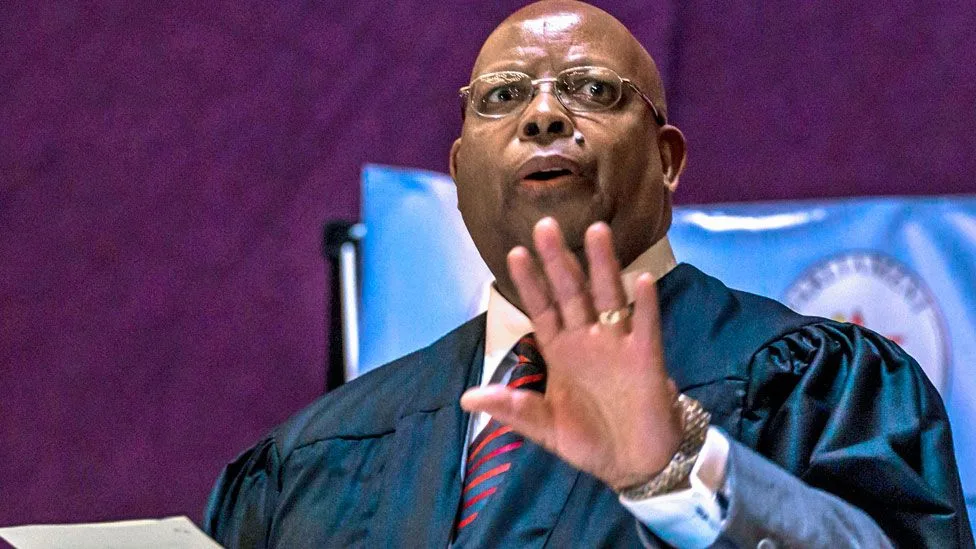
Zambian Minister of Foreign Affairs and International Cooperation, Mulambo Haimbe, who served as vice-chair of the Council of Ministers, delivered the closing remarks, urging member states to translate their deliberations into concrete action.
“The measure of the success of our deliberations will lie not only in the resolutions we have adopted, but also in the determination with which we implement them,” he said.
Haimbe said the meeting had reinforced the importance of sustained regional dialogue and collective action in addressing challenges that transcend national borders.
He commended the COMESA Secretariat, officials, experts and organizing teams for facilitating the meeting, while acknowledging the contribution of development partners and cooperating institutions to regional peace, security and economic integration.
Haimbe also commended the media for communicating the bloc’s deliberations to the wider public, expressing hope that the discussions would strengthen relations among member states and inspire renewed commitment to a peaceful, secure and prosperous region.
The Ministers’ meeting came amid a complex and rapidly evolving geopolitical and security environment characterized by armed conflicts, political instability, electoral disputes, renewed piracy, climate-related insecurity, irregular migration and emerging geopolitical and economic shocks.
Under Article 3(d) of the COMESA Treaty, peace and security are recognized as essential to sustainable regional integration and economic development.
Ministers reviewed the regional situation and considered recommendations from the Committee on Peace and Security, which met virtually on Thursday last week.
The committee reported a volatile regional environment, with progress in some areas offset by renewed or escalating violence elsewhere.
The humanitarian consequences of the conflict in eastern Democratic Republic of the Congo featured among the issues discussed, alongside efforts to consolidate peace and address outstanding political and security challenges in Ethiopia.
Ministers also considered Somalia’s political transition, relations among political stakeholders and persistent threats posed by violent extremist groups.
On Libya, discussions focused on political fragmentation, institutional divisions and insecurity, including their links to irregular migration, human trafficking, organized crime and wider regional instability.
The continuing conflict in Sudan was also highlighted as one of the region’s most devastating challenges, underscoring the need for concerted diplomatic engagement and regional cooperation.
Zimbabwe’s election as chair of the Council of Ministers, with Zambia as vice-chair and Burundi as rapporteur, comes as the bloc seeks to reinforce its institutional response to these challenges, while advancing its broader regional integration agenda.
As Zimbabwe prepares to assume leadership of the COMESA Authority at the summit on Thursday, the focus will be on turning the commitments made at Ministerial level into practical measures that promote stability, facilitate trade and support sustainable economic development across the region.
New Ziana