

Harare, (New Ziana) – The Government has barred local authorities with outstanding salary arrears from undertaking foreign trips and holding workshops, retreats and conferences outside their jurisdictions, as it moves to enforce financial discipline and prioritize workers’ welfare and essential service delivery.
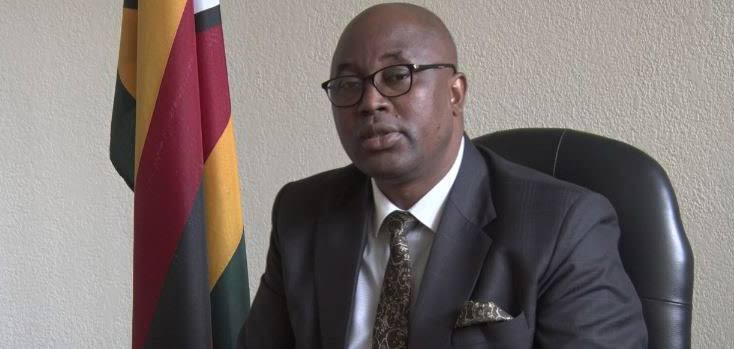
In a circular dated October 20, 2026, Permanent Secretary in the Ministry of Local Government and Public Works, Engineer Tafadzwa Muguti, directed local authorities struggling to pay salaries and meet statutory obligations to implement financial recovery plans and redirect available resources towards clearing their liabilities.
The measures also prohibit local authorities with outstanding salary arrears or statutory obligations from purchasing vehicles for personal allocation or as conditions of service for senior managers and other officers until the arrears and obligations have been fully settled.
“The Ministry reiterates that the timely payment of salaries and the settlement of statutory obligations must be treated as priority financial commitments,” Eng Muguti said.
He said the accumulation of salary arrears had serious consequences for workers and the delivery of public services, warning that the situation was unacceptable.
“This situation is unacceptable, as it adversely affects the welfare and livelihoods of employees, undermines staff morale, compromises productivity, and ultimately impairs the capacity of Local Authorities to deliver essential services to residents,” he said.
Under the new directives, local authorities with unpaid salaries will not be permitted to undertake foreign travel for their officials, while requests for travel authorization will not be favourably considered where salary obligations remain unmet.
Workshops, retreats, conferences and similar activities organized by councils with salary arrears must also be held within their respective areas of jurisdiction, where necessary, subject to budget availability and demonstrable operational requirements.
The restrictions are intended to curb non-essential expenditure at a time when some councils are failing to meet their obligations to employees and statutory institutions.
However, the Government has made provision for local authorities to continue investing in critical infrastructure and essential public services despite their financial difficulties.
According to the circular, councils may procure vehicles and capital equipment strictly required for essential service delivery and critical infrastructure operations, provided such purchases are adequately justified, included in approved budgets and conducted in compliance with procurement legislation.
The expenditure must not, however, compromise efforts to settle outstanding salaries and statutory obligations.
Eng Muguti directed all local authorities with outstanding liabilities to prepare and implement time-bound financial recovery plans detailing the total amounts owed, measures to improve revenue collection, expenditure-control strategies and proposed schedules for clearing the arrears.
The plans must also specify timelines for settling the outstanding liabilities, placing responsibility on council leadership to demonstrate how their institutions intend to restore financial stability.
Town clerks, town secretaries, chief executive officers and other accounting officers have been instructed to exercise firm financial discipline and ensure that expenditure decisions reflect their institutions’ financial positions and statutory responsibilities.
The Ministry has further directed local authorities to submit reports detailing their current salary arrears, outstanding statutory obligations and proposed measures for clearing the liabilities.
Councils will also be required to provide regular progress updates on the implementation of their recovery plans, in line with reporting timelines to be communicated by the Ministry.
Eng Muguti warned that the Ministry would monitor compliance and could take appropriate administrative measures against local authorities that fail to adhere to the directives.
“The Ministry will monitor compliance with this Circular and may take appropriate administrative measures, within its statutory mandate, in respect of Local Authorities that fail to comply with these directives,” he said.
The circular places renewed emphasis on the responsibility of local authorities to balance expenditure with their ability to meet employee obligations, statutory payments and the demands of residents who depend on municipal services.
Eng Muguti said the measures were designed to ensure that public resources were channelled towards essential services rather than non-essential travel, workshops and personal benefits.
“All Local Authorities are therefore directed to give this Circular the utmost attention and ensure strict compliance,” he said.
The directive comes amid concerns over the financial pressures facing some local authorities, where prolonged salary arrears can affect employee livelihoods, weaken staff morale and disrupt the delivery of services such as refuse collection, road maintenance, water provision and other municipal operations.
By requiring councils to produce recovery plans, report their liabilities and demonstrate progress towards settling arrears, the Ministry is seeking to strengthen accountability and ensure that financial decisions are guided by available resources and statutory obligations.
New Ziana