
By Archford Chirimudombo
Harare, (New Ziana) –While the 2027 National Budget seeks to consolidate macroeconomic stability, strengthen domestic revenue mobilisation and sustain economic growth, emerging challenges still threaten to undermine progress and expose underlying structural weaknesses.
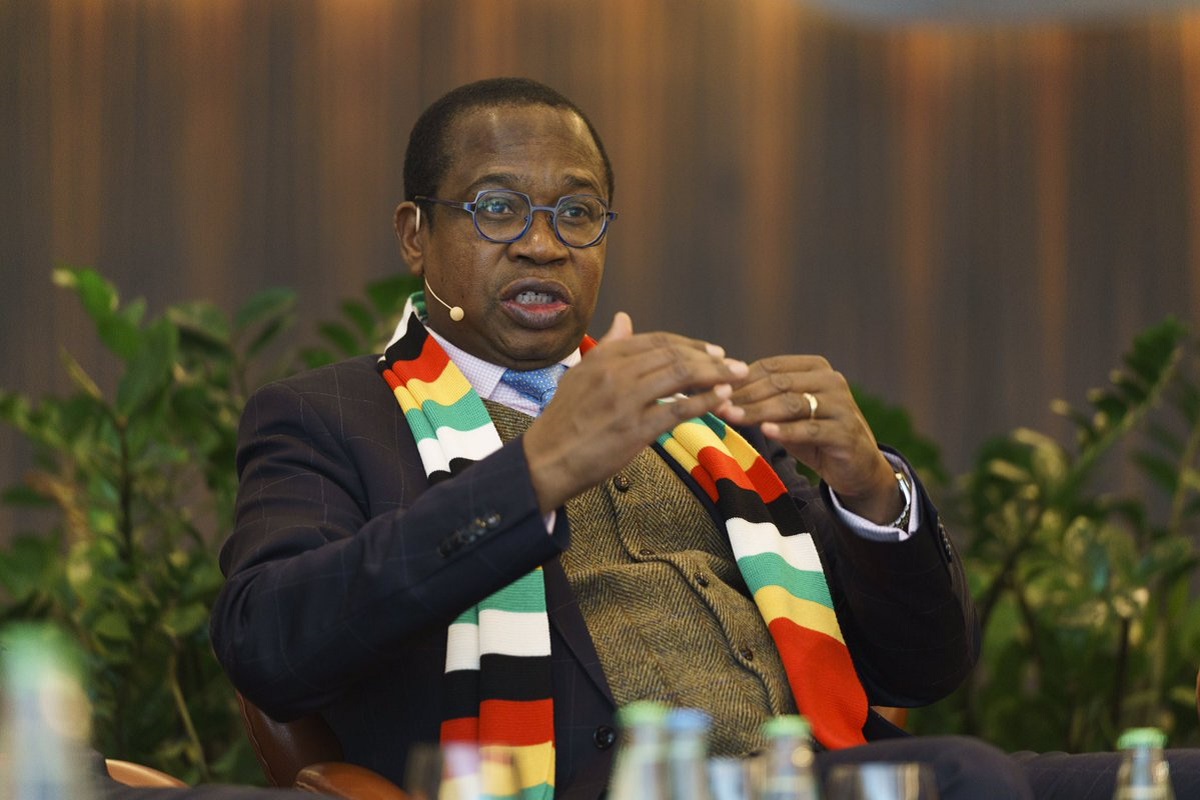
Presenting the budget in Parliament on Thursday, Finance Minister Professor Mthuli Ncube projected economic growth of 3.5 percent in 2027, down from the anticipated 5 percent in 2026, weighted by mounting pressures from an anticipated El Niño-induced drought, subdued global growth, geopolitical tensions and elevated international energy and food prices.
The projected slowdown highlights the fragility of Zimbabwe’s economic recovery and the need to strengthen productive capacity beyond the gains achieved through inflation control and exchange rate stabilisation.
While fiscal discipline and monetary stability remain important in restoring confidence, sustained economic growth will increasingly depend on investment in infrastructure, industrial competitiveness, agricultural resilience and the capacity to generate employment.
The economy is projected to reach approximately US$66 billion in 2026, more than double its 2019 value of US$21 billion, while Gross National Income (GNI) per capita is estimated at US$4,100, placing Zimbabwe 7th in Africa.
However, economic growth and rising per capita income do not automatically translate into improved living standards as rising economic output should be accompanied by stronger household incomes, job creation, improved purchasing power and equitable distribution of economic opportunities to ensure that growth benefits ordinary citizens.
The inflation outlook presents another positive development, with ZiG annual inflation averaging 4 percent during the first 10 months of this year while inflation in both currencies is projected to remain in single digits next year, providing a more predictable environment for businesses, investors and consumers.
Nevertheless, sustaining price stability remains a key challenge amid exposure to external shocks, fuel price fluctuations, imported inflation and volatile international commodity markets. Long-term stability will require policy consistency, confidence in the domestic currency, adequate foreign currency reserves and increased domestic production.
Foreign currency receipts are projected to reach US$15.9 billion during the first nine months of this year, supported by exports, diaspora remittances and investment inflows, while the current account surplus is expected to exceed US$3.5 billion by year-end.
Although these developments point to an improving external position, Zimbabwe should strengthen its capacity to convert foreign currency earnings into productive investment, industrial expansion and export diversification. Continued reliance on mineral exports and remittances exposes the economy to external vulnerabilities, underscoring the need to develop manufacturing, agriculture and other competitive sectors.
The financial sector has also registered improvements, with banks adequately capitalised and non-performing loans standing at three percent, below the international benchmark of five percent. Foreign currency deposits have increased from US$700 million in 2018 to US$5.5 billion in 2026, reflecting growing financial sector activity.
However, the availability of financial resources must translate into affordable financing for productive enterprises, particularly small and medium businesses, agriculture, manufacturing and infrastructure. Initiatives such as the Zimbabwe Entrepreneurship Exchange (ZEEX) could broaden access to capital, but their effectiveness will depend on whether businesses can secure affordable funding and generate sustainable employment.
On the fiscal front, Government projects revenue of ZiG349.5 billion against expenditure of ZiG358.3 billion, reflecting constrained fiscal space and the need to balance development priorities with prudent spending.
The disparity between Ministry expenditure bids of ZiG974 billion and the proposed budget ceiling illustrates the scale of competing demands for public resources. Underfunding of critical sectors could affect infrastructure development, healthcare, education, social protection and agricultural support, potentially slowing the delivery of essential services.
Fiscal discipline should therefore be complemented by efficient resource allocation, transparency and accountability to ensure that limited resources generate meaningful economic and social returns.
Government debt is estimated at US$22.2 billion, representing 33.4 percent of projected Gross Domestic Product. While the ratio may appear manageable, debt sustainability also depends on repayment obligations, arrears, foreign currency availability and the country’s capacity to generate revenue without compromising development spending.
The allocation of ZiG10.9 billion towards contingencies provides a buffer against potential shocks, particularly the anticipated drought, and given the contribution of agriculture to livelihoods, food security, employment and industrial supply chains, climate resilience should remain a central priority.
Investments in irrigation, water harvesting, climate-smart agriculture, grain reserves, renewable energy and rural infrastructure will be critical in reducing vulnerability to erratic rainfall and safeguarding production.
Ultimately, the the success of the 2027 National Budget will not be determined solely by economic growth projections, revenue collections or the size of the economy, but by its ability to stimulate production, create jobs, improve food affordability, strengthen public services and raise living standards.
As Zimbabwe navigates mounting economic and climate-related risks, translating macroeconomic stability into inclusive and sustainable development will remain the most pressing economic imperative for the country.
New Ziana