
By Simbarashe Muparaganda
Bulawayo, (New Ziana) — Churches in Zimbabwe are welcome to run community radio stations, but these should serve the interests of the communities they are licensed for, follow broadcasting laws and avoid passing misleading information, a Cabinet Minister said on Friday.
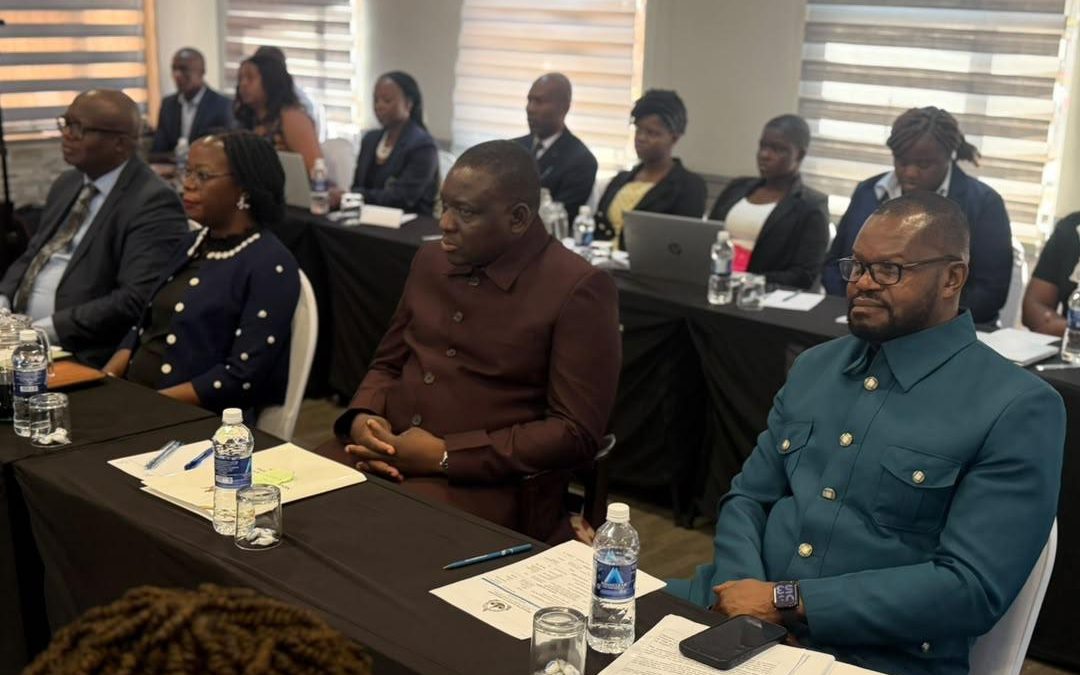
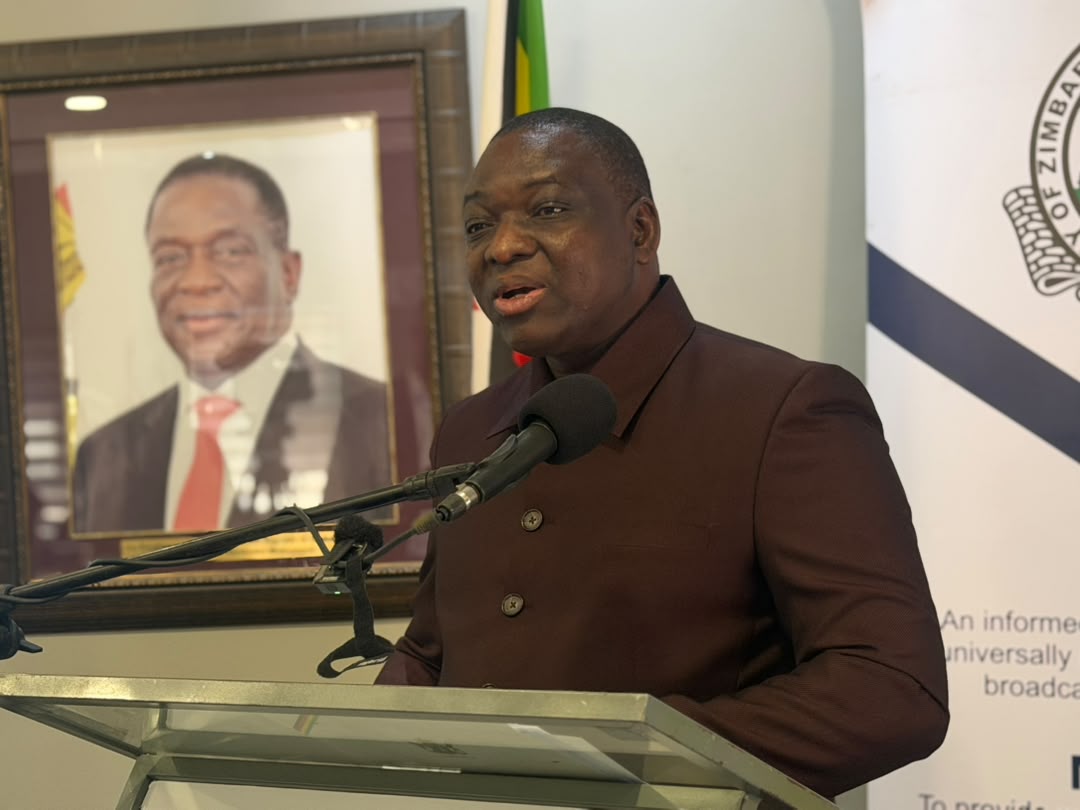
Information, Publicity and Broadcasting Services Minister Dr Zhemu Soda said this while officiating the Broadcasting Authority of Zimbabwe (BAZ) strategic planning workshop in Bulawayo.
He said the authority should develop licensing and revenue frameworks for religious channels and communities of interest as part of its 2027 priorities.
“Let me be very clear, religious community stations are welcome. However, government expects them to remain true to the community interest they were licensed to serve, to uphold the Act and the Code of Conduct, and never to become vehicles for misleading claims,” he said.
Dr Soda said broadcasting was central to the National Development Strategy (NDS) 2 and Vision 2030 because it shaped what people know, believe and value, as well as the way they see themselves and their country.
“Government therefore expects BAZ to be more than an administrator of licences but an active driver of access, quality, growth, and national development,” the minister said.
On universal access, Dr Soda welcomed the growth in radio stations from 39 in 2025 to 69, with 18 more community stations scheduled to be licensed by the end of this year, bringing the total to 41.
He stressed that the focus should move from issuing licences to ensuring stations are operating and serving people.
“A licence that does not broadcast is a broken promise to a community. BAZ should coordinate support and oversight, including governance training for station boards. The Broadcasting Fund was established in part to support the establishment and sustainability of community broadcasting and should be used for that purpose,” he said.
Dr Soda called for underserved districts to be prioritised in frequency planning, guided by an annual coverage map, and for idle spectrum reserved for campus radio to be put to use.
He also implored BAZ to pilot online broadcasting licences under the new classes for internet-based broadcasting and webcasting, and to complete digital terrestrial television migration.
the government, Dr Soda said, has invested significantly in digital transmission infrastructure, adding that BAZ should work with Transmedia, broadcasters and other partners to ensure the investment brings wider access to households.
Turning to local content, he said broadcasting should carry Zimbabwean languages, cultures and stories while building an industry around them.
He highlighted the requirement for television licensees to ensure at least 75 percent of programming is local and African content, with 40 percent of local content coming from independent producers, while radio stations should play at least 75 percent Zimbabwean music.
“Quotas filled with poorly produced programmes serve neither audiences nor industry,” he said, urging BAZ to move from counting minutes to building a viable content-production industry.
Dr Soda said BAZ should digitise its own operations, including online licensing and fee payments, compliance tracking and returns, complaints and case management, and financial management and reporting.
“A performance dashboard should give the board and management timely evidence of progress,” he said.
He noted that global platforms such as Netflix, YouTube and Facebook had widened access, while advertising revenue was shifting to them and local creators lacked ways to secure fair remuneration.
“BAZ should work with stakeholders to develop a framework for harnessing the contribution of global online platforms to the local broadcasting and digital ecosystem and securing fair value for local content,” he said.
Dr Soda said with licence fees reduced by almost 50 percent this year, while the number of licensees continued to grow, BAZ should prepare a forward-looking funding strategy ahead of the 2028 review of the 10 percent sector revenue-sharing arrangement.
New Ziana