

By Archford Chirimudombo
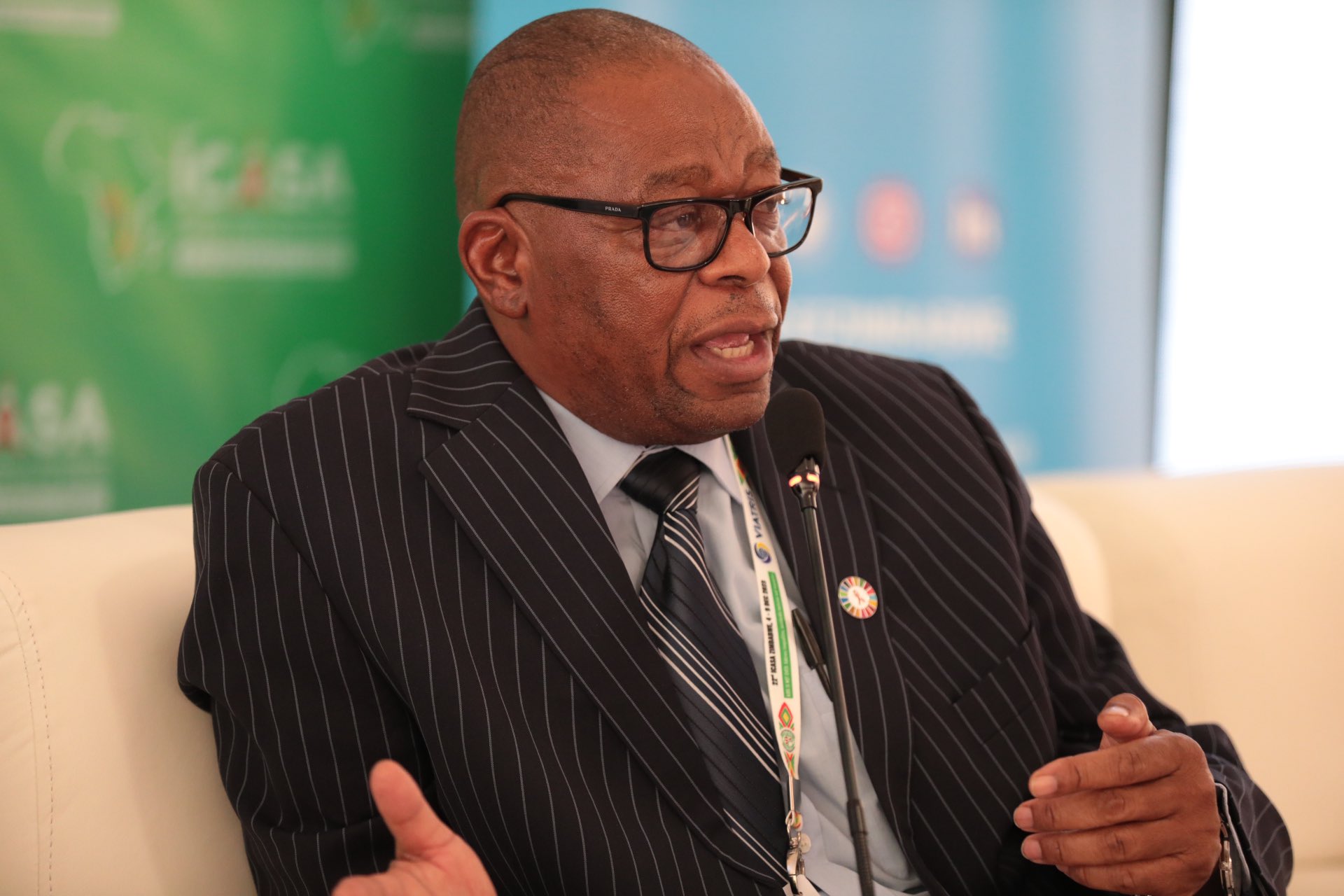
Harare, (New Ziana) – Health and Child Care Minister, Dr Douglas Mombeshora has urged stakeholders in the health sector to strengthen engagement with Treasury on cash flow planning, timely release of funds and the alignment of disbursements with programme priorities.
His call comes as Finance Minister Professor Mthuli Ncube prepares to present the 2027 National Budget this week, amid growing demands for sustainable financing to support healthcare delivery.
Speaking at the High-Level Health Sector Coordination meeting in Harare on Monday, Dr Mombeshora said the gathering provided an important platform for stakeholders to review progress, evaluate sector performance and identify practical interventions to accelerate the achievement of national health objectives.
He underscored the importance of strengthening procurement, planning and financial management systems to ensure that allocated resources deliver meaningful improvements in healthcare services.
“Continued strengthening of procurement, planning and financial management systems to ensure that available resources translate into tangible services is important.
“Domestic resource mobilisation must receive greater attention, including the effective management of the Health Levy, Sugar Tax and Health Services Fund,” Dr Mombeshora said.
He identified the development of a National Health Insurance framework as a key long-term intervention that would enhance financial protection, strengthen resource pooling and reduce the financial strain on households seeking medical care.
While acknowledging the contribution of development partners to the country’s health sector, Dr Mombeshora said the evolving global financing environment called for prudent management of funding transitions, protection of essential services and increased investment in domestic capacity.
“All partner-supported programmes and 2027 funding commitments should remain aligned with the National Health Strategy and coordinated through Government structures,” he said.
The Minister said Government remained committed to prioritising healthcare within the limits of available fiscal resources, noting that the 2027 Budget process offered an opportunity to move closer to meeting the Abuja Declaration target of allocating at least 15 percent of the national budget to health.
He stressed, however, that adequate budgetary provisions must be accompanied by consistent and timely releases to ensure that planned programmes are implemented without unnecessary disruptions.
Third-quarter financial figures indicate that the Ministry had received only 52.8 percent of its approved budget by September 30, compared with the expected nine-month disbursement level of 75 percent.
Despite the funding constraints, the Ministry had managed to utilise approximately 90 percent of the funds released, an indication of the impact that delayed Treasury disbursements have on the execution of planned activities.
“This highlights the constraints that delayed disbursements place on implementation. As we approach the end of 2026, we must take stock of our progress while remaining clear about the challenges that lie ahead,” he said.
Zimbabwe is currently implementing the Zimbabwe National Health Strategy 2026–2030, which is aligned with the National Development Strategy 2 (NDS2) and the country’s broader ambition of attaining Vision 2030.
Dr Mombeshora said the remaining implementation period required decisive action and strategic choices, particularly in financing, partnerships, human resources and healthcare delivery, to ensure that national commitments produce measurable improvements in people’s health.
“The time available is narrowing, and the decisions we make on financing, partnerships, human resources and service delivery will determine whether our ambitions translate into better health outcomes for our people,” he said.
The health sector has recorded progress in expanding infrastructure, improving access to services, strengthening disease prevention programmes and implementing reforms aimed at improving the efficiency of the healthcare system.
These developments are taking place against the backdrop of changing global health financing arrangements, declining predictability of external assistance and increasing demand for quality, affordable and accessible healthcare services.
Key national priorities include strengthening primary healthcare, improving maternal and child health outcomes, tackling communicable and non-communicable diseases, enhancing health security, ensuring the availability of essential medicines and broadening domestic financing mechanisms.
New Ziana