
By Archford Chirimudombo
Bindura, (New Ziana) – Zimbabwe has demonstrated resilience in the face of more than two decades of sanctions and remains determined to achieve its economic transformation goals through domestic production, regional integration and global partnerships, Minister of National Housing and Social Amenities Professor Paul Mavhima has said.
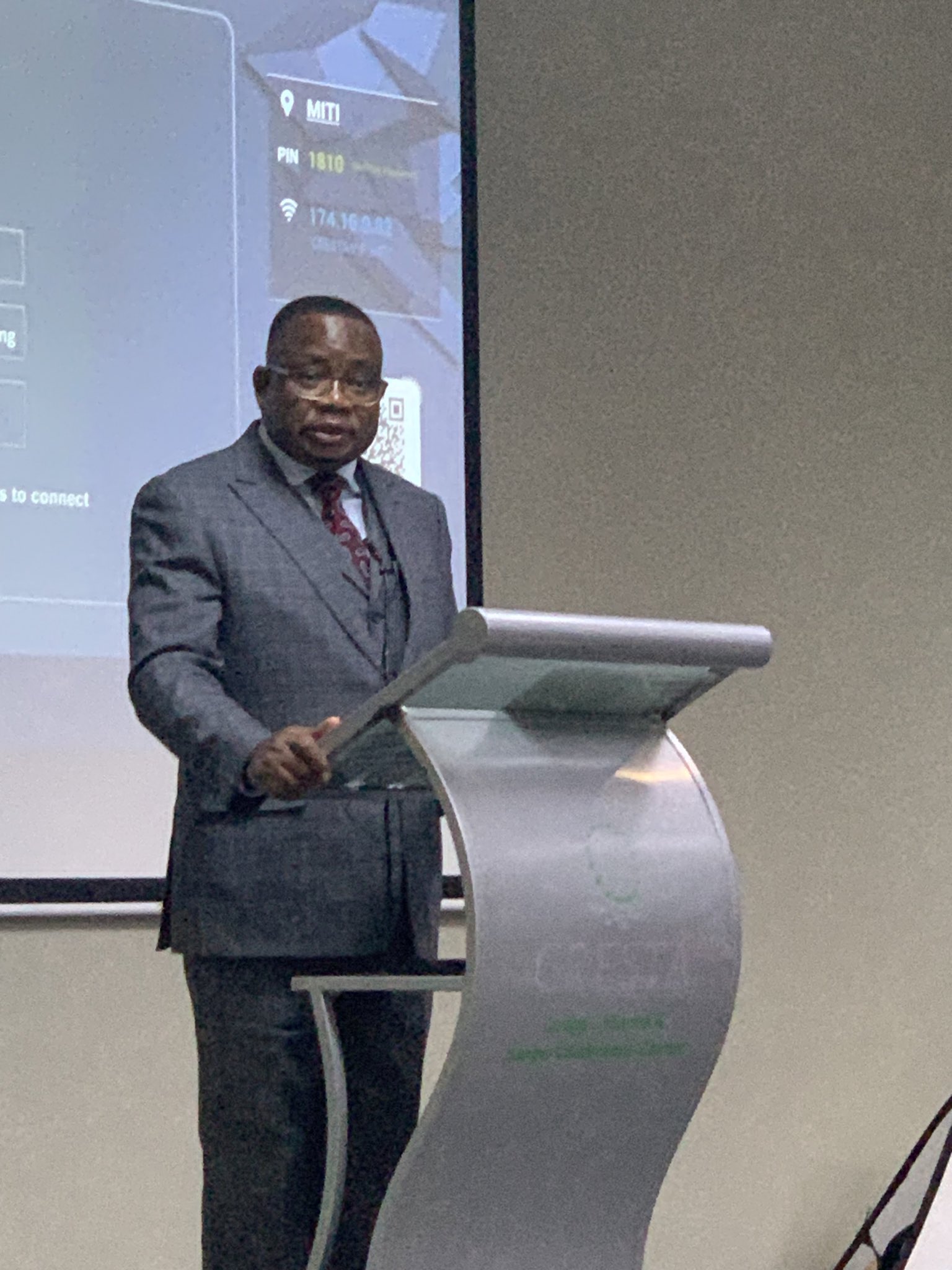
Addressing the 2026 SADC Anti-Sanctions Solidarity Day commemorations in Bindura on Saturday, Professor Mavhima said the country had continued to develop despite the restrictions, insisting that they had failed to extinguish the determination of its people.
Professor Mavhima was the guest of honour at the event, representing the Minister of Information, Publicity and Broadcasting Services, Dr Zhemu Soda.
“The people of Zimbabwe have demonstrated that no sanctions regime can extinguish national determination,” he said, describing the annual commemorations as both a protest against what the Government considers an injustice and a celebration of Zimbabweans’ resilience, creativity and endurance.
Zimbabwe commemorates SADC Anti-Sanctions Day alongside regional and international partners, following the Southern African Development Community’s designation of October 25 as the annual day of solidarity in 2019.
This year’s theme, “Leveraging Regional Integration and Global Partnerships for Economic Transformation beyond Illegal Sanctions”, highlights the importance of regional cooperation and international partnerships in advancing economic development.
Professor Mavhima said Zimbabweans had continued to produce, build, educate and trade despite the economic challenges associated with sanctions.
He cited agriculture, mining, manufacturing and small businesses as important contributors to the economy, adding that farmers continued to feed the nation while miners sustained a critical sector.
He argued that the restrictions had implications beyond Zimbabwe, affecting regional supply chains, cross-border trade and the collective development ambitions of Southern African countries.
“Sanctions against Zimbabwe are not only an attack on one country. They hinder regional supply chains, they slow cross-border trade, and undermine the collective development aspirations of the entire Southern African region,” he said.
Professor Mavhima called for deeper regional integration through improved transport corridors, energy interconnections, digital connectivity and trade facilitation, saying Zimbabwe’s economic growth would benefit its neighbours.
“When Zimbabwe trades and when Zimbabwe produces and when Zimbabwe grows, the region also grows at the same time,” he said.
He also highlighted the Government’s engagement and re-engagement policy, which seeks to strengthen relations with international partners through trade, investment and mutual respect.
According to Professor Mavhima, cooperation with countries across Africa, Asia, the Middle East, Latin America and other regions has created opportunities in agriculture, mining, energy, infrastructure, information and communication technologies, and human capital development.
He reiterated the African Union’s call for the immediate and unconditional lifting of unilateral sanctions against Zimbabwe, saying the continental body had recognized their implications for sustainable development and regional cooperation.
Turning to domestic development, Professor Mavhima said the Second Republic remained focused on achieving an upper-middle-income economy by 2030 through industrialisation, agricultural productivity, mineral beneficiation, infrastructure development, energy security and digital innovation.
He cited the construction and rehabilitation of roads and other infrastructure as evidence of the country’s continued development efforts.
“The future belongs to a Zimbabwe that processes its minerals rather than exporting them raw; a Zimbabwe that produces enough food to feed itself and export surplus,” he said.
He added that young people needed relevant skills and entrepreneurial opportunities to participate meaningfully in the country’s economic transformation.
Professor Mavhima also underscored the role of the media in communicating Zimbabwe’s development agenda, raising public awareness about sanctions and providing citizens with reliable information.
He urged the media to inform, educate and inspire, while calling on businesses to invest confidently and young people to embrace innovation.
“Sanctions may have delayed progress, but they cannot stop our destiny,” he said, adding that Zimbabwe’s future would depend on hard work, unity, innovation, regional cooperation and global partnerships.
New Ziana