

By Zachary Gava
Harare, (New Ziana) – The United Nations Economic Commission for Africa (ECA) has urged COMESA member states to accelerate regional industrialization, cut trade costs and mobilize investment to unlock the economic potential of their combined market of more than 680 million people.
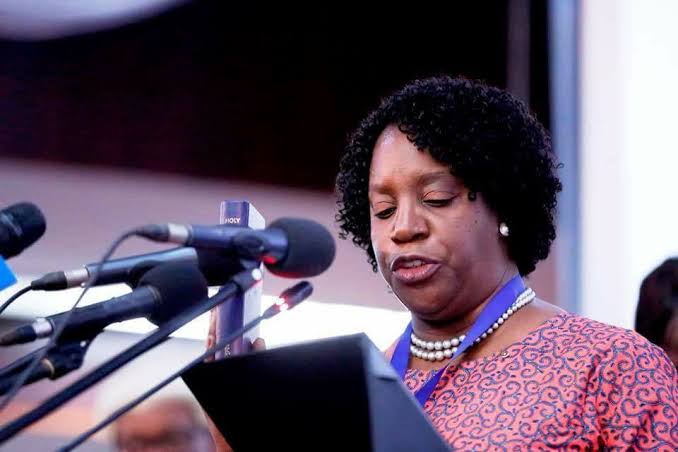
Addressing Heads of State and Government virtually at the 25th COMESA Summit on Thursday, ECA Executive Secretary, Claver Gatete said Africa must move beyond exporting raw materials and importing finished products if it is to create jobs and build competitive economies.
“We export agricultural commodities while importing processed products. We supply minerals to global industries while capturing only a fraction of their manufacturing value,” he said.
Gatete said global shifts in supply chains, rapid technological advances and rising financing costs presented both risks and opportunities for the 21-member regional bloc, whose agricultural resources, critical minerals and manufacturing capabilities could support greater economic transformation.
“I welcome the summit’s focus on inclusive industrialization, investment and regional integration because COMESA needs to use its collective market to expand regional production and retain more value from its natural resources,” he said.
To achieve this, he outlined four priorities which include reducing the cost of regional trade, accelerating industrialization, strengthening energy integration and mobilizing financing for regional development.
The UN official said governments should invest in roads, railways, ports and strategic transport corridors while removing non-tariff barriers, harmonizing standards and digitizing customs procedures to improve the movement of goods across borders.
He urged member states to accelerate implementation of the COMESA-EAC-SADC Tripartite Free Trade Area, which entered into force in 2024, and established measurable targets for reducing border delays and trading costs.
He also said the newly launched Africa Credit Rating Agency offered an opportunity to broaden the information and perspectives used in assessing African economies, potentially contributing to improved financing conditions when supported by sound economic management and reliable data.
“Our progress should be measured by shorter border delays, greater regional production, increased investment and more reliable energy for our industries,” he said.
He reaffirmed the ECA’s readiness to work with COMESA, its member states and development partners to advance the regional integration agenda.
“Let us make one market, one future a reality through the decisions we take and the results we deliver,” Gatete said.
New Ziana