

By Johnson Siamachira
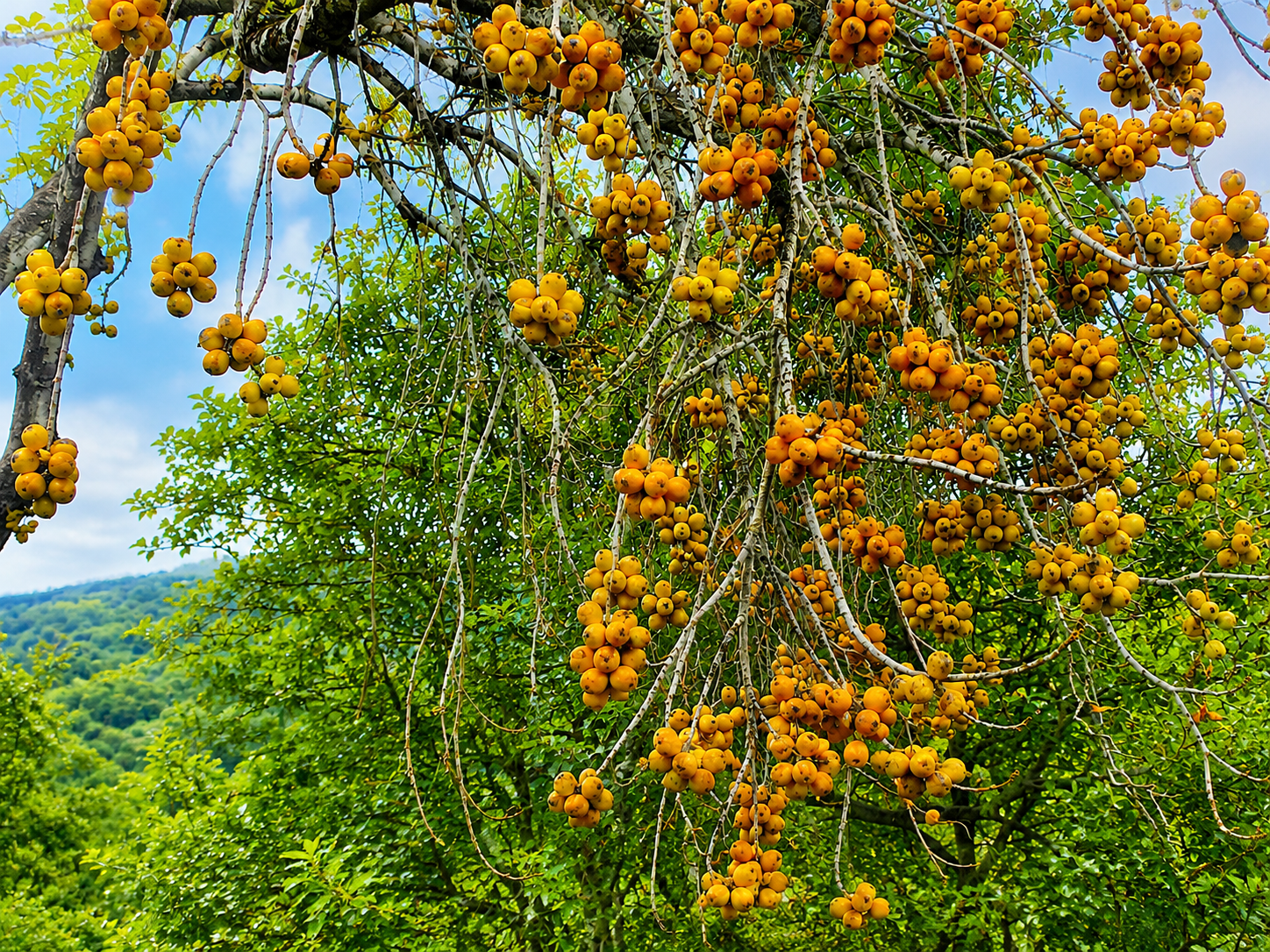
Harare, (New Ziana)-At his rural home in Domboshava in Goromonzi district in Mashonaland East Province, 62-year-old Never Zinyoza tends wild loquat trees that once grew mainly in the surrounding woodlands. The fruit now provides food for his family and an opportunity to earn an extra income without travelling very far to collect it.
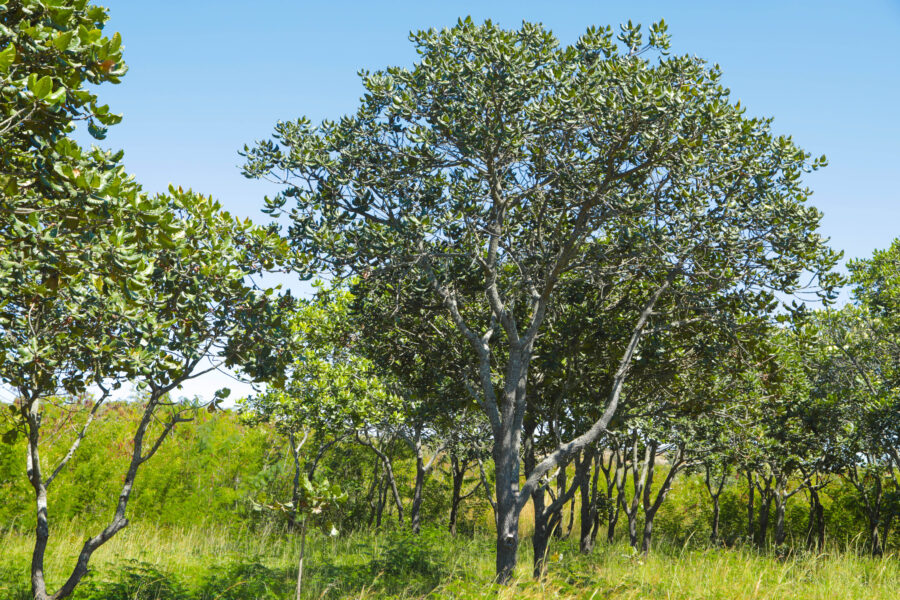
The Domboshawa field genebank conserving wild loquat in Zimbabwe. Photo by Irene Sinoya/ Landscape Alliance.
Zinyoza learnt how to cultivate the indigenous trees through training at the local Domboshawa Training Centre, where researchers and agricultural specialists are developing ways to help smallholder farmers grow wild loquat on their own land.
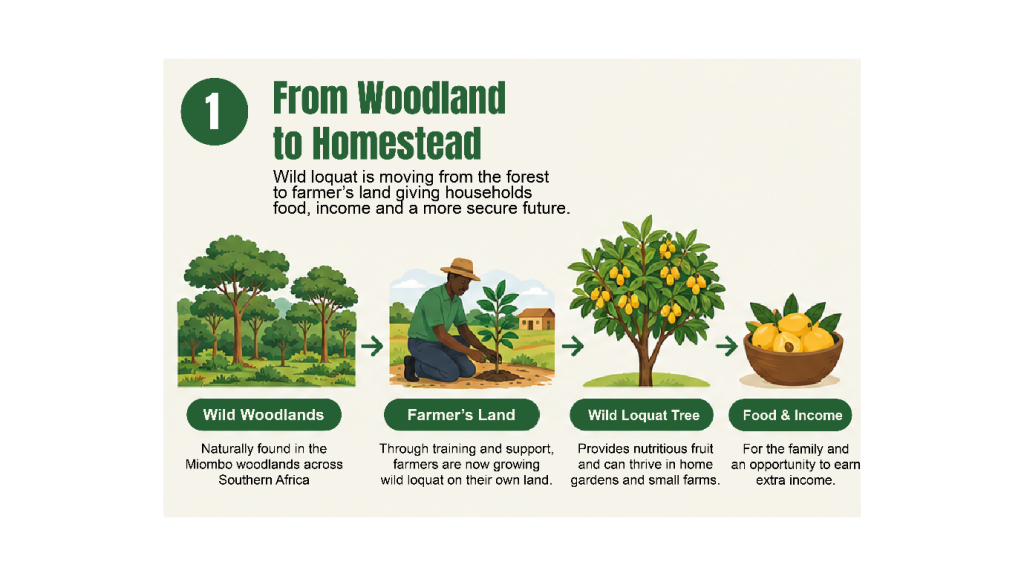
Chart: Johnson Siamachira. Source Landscape Alliance
His experience reflects a broader effort in Southern Africa to bring indigenous fruit trees into cultivation, improve household nutrition and reduce pressure on the miombo woodlands that supply food and other resources to rural communities.
From woodland to homestead
Wild loquat, known scientifically as Uapaca kirkiana and locally as muzhanje, grows naturally across much of the miombo woodland region, including Zimbabwe, Zambia, Malawi Moazambique and Tanzania. Its fruits are valued for their taste, nutritional content and contribution to household agricultural incomes and employment development.
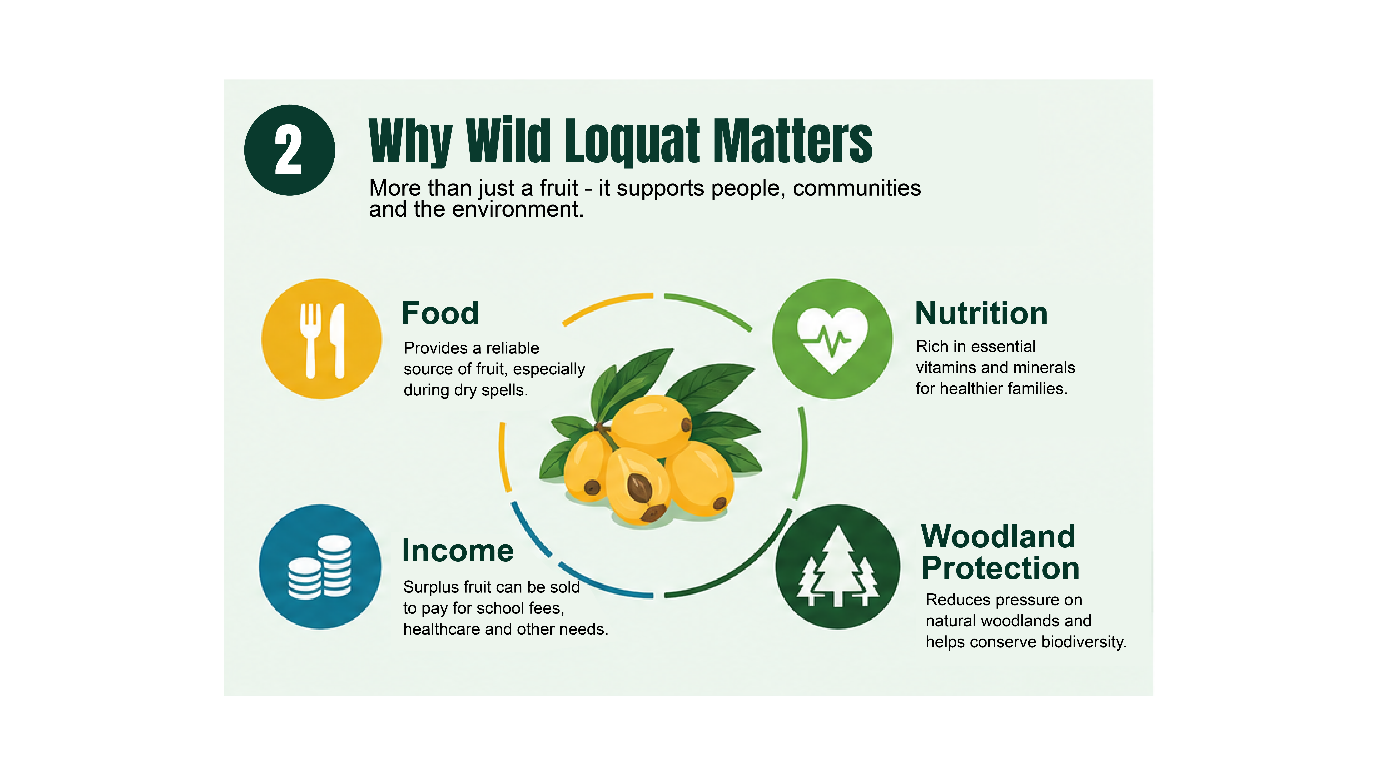
Chart by Johnson Siamachira. Source: Landscape Alliance.
The miombo woodlands of Southern Africa have long nourished millions of rural families and sustained their livelihoods. Home to more than 75 indigenous fruit tree species, such as wild loquat, these forests provide fruits rich in essential vitamins and minerals.
In Zimbabwe, rural families have traditionally gathered indigenous fruits from forests, grazing areas and trees growing around homesteads. During dry spells, when cultivated food supplies become scarce, these fruits can help supplement diets. Families also sell surplus fruit to pay for school fees, healthcare and other household needs.
But the trees face increasing pressure as agricultural expansion and other forms of woodland use reduce their natural habitat. When fruit trees become harder to find, households must travel further to collect them.
The Third Report on the State of the World’s Plant Genetic Resources for Food and Agriculture, published by the Food and Agriculture Organization of the United Nations (FAO), reveals that 70 percent of surveyed wild food plant diversity in Africa is threatened, mainly due to habitat loss, land-use change, climate stress and underinvestment in food systems.
The report highlights sharp declines in wild food plants that provide essential vitamins and act as a buffer during hunger periods, threatening the wellbeing of millions of people and their households.
In a report titled Indigenous Fruit Trees in Southern Africa , the FAO also cautions that indigenous fruit trees are being increasingly lost to agricultural expansion and overexploitation through harvesting.
Researchers and conservation organisations are therefore exploring how farmers can grow valuable indigenous species on their own land rather than relying entirely on wild harvests.
A living collection at Domboshawa
Landscape Alliance, a brand name of the orgaanisation born out of a merger of the Center for International Forestry Research (CIFOR) and International Centre for Research in Agroforestry (ICRAF), works with the National Agricultural Research and Extension System in the Ministry of Agriculture, Mechanization and Water Resources Development in Zimbabwe to support indigenous fruit tree domestication.
At the centre of the initiative is a field genebank at Domboshawa Training Centre. The collection conserves wild loquat fruit tree diversity, supports research into tree performance and provides planting material for farmers.
The field genebank has a rich diversity of wild loquat fruit trees germplasm collected from its natural range. It conserves valuable genetic resources while serving as a reliable source of high-quality planting material for farmers, according to Dr Nyoka, Malawi Country Representative and Southern Africa Regional Convenor at Landscape Alliance.
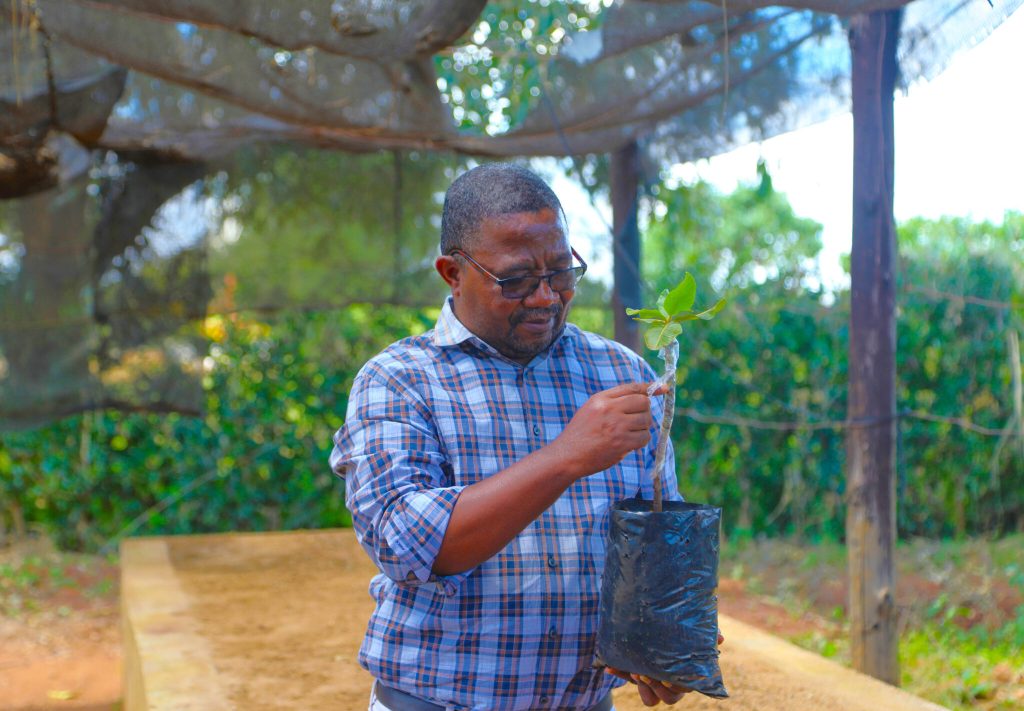
Dr Isaac Nyoka holding a grafted indigenous fruit tree seedling at Domboshawa. Photo by Irene Sinoya / Landscape Alliance
The genebank contains wild loquat, collections, according to a recent Landscape Alliance newsletter article.
The article says researchers use these collections to identify trees with desirable characteristics, such as good fruit quality and productivity. They can then use selected material to produce trees for cultivation while maintaining genetic diversity for future research and conservation.
“The challenge is that many indigenous fruit trees are becoming less available as forests are degraded,” Dr Alice Muchugi, Landscape Alliance’s Theme Leader for Tree Diversity and Productivity is quoted as saying. “That is why we have been developing propagation methods, training communities and making quality planting material accessible.”
Growing trees from branches
One technique used in the programme isair layering. It encourages roots to grow on a branch while the branch remains attached to the parent tree. Once roots develop, the branch can be removed, raised in a nursery and planted in the field.
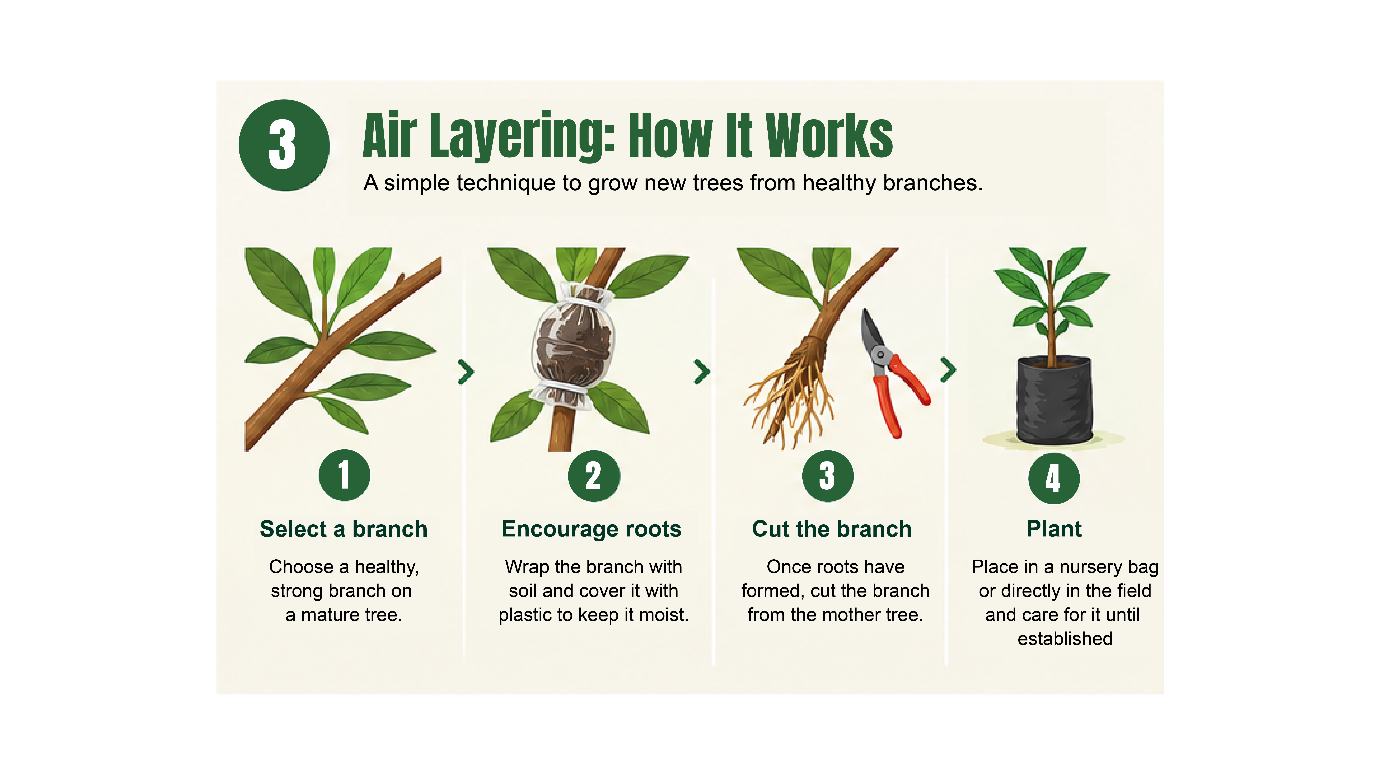
Chart: Johnson Siamachira>Source: Landscape Alliance
The method allows farmers to reproduce desirable characteristics of a selected tree rather than relying entirely on seed.
Researchers say air-layered wild loquat trees can begin bearing fruit in about four years, compared with more than 10 years for trees grown from seed. This shorter period may make cultivation more attractive to farmers who need fruit and income within a manageable timeframe.
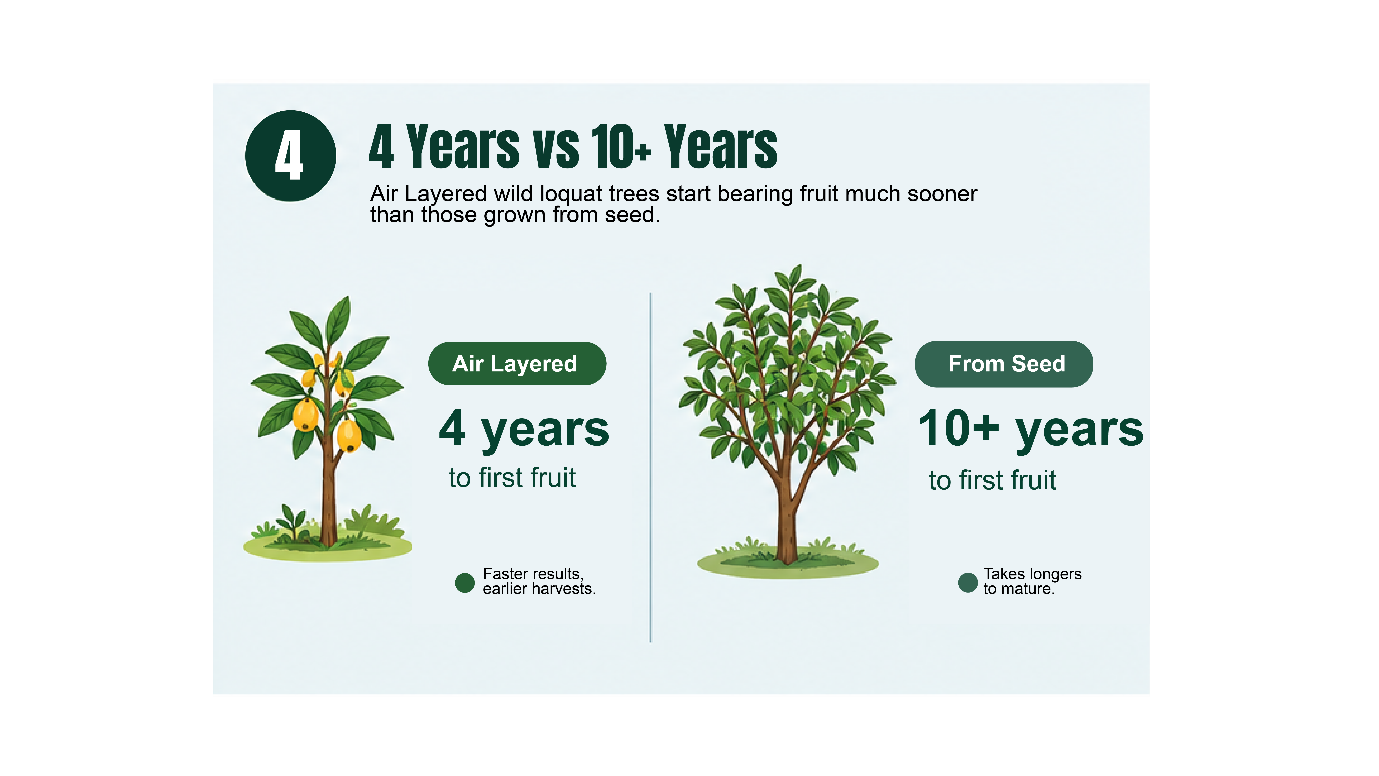
Chart by Johnson Siamachira. Source: FAO.
“Air layering allows us to produce new trees that retain desirable qualities of the mother tree, such as good fruit quality and high productivity,” says Dr Nyoka. “By producing quality planting material more quickly, we can help more farmers grow wild loquat and reduce pressure on natural woodlands.”
Another tested method of propagating wild loquat is by grafting. The genebank also supplies scions (a healthy, one-year-old shoot cut from a superior tree and used to graft onto a rootstock to grow an identical variety of fruit or nut tree) for grafting and seed for raising rootstocks.
A farmer’s investment
For Zinyoza, the training and technical assistance has brought the research closer to everyday farming.
He now cultivates wild loquat at home and harvests fruit for consumption and sale.
“I harvest and sell wild loquat fruits every season, and the income helps me pay my son’s school fees,” Zinyoza says.
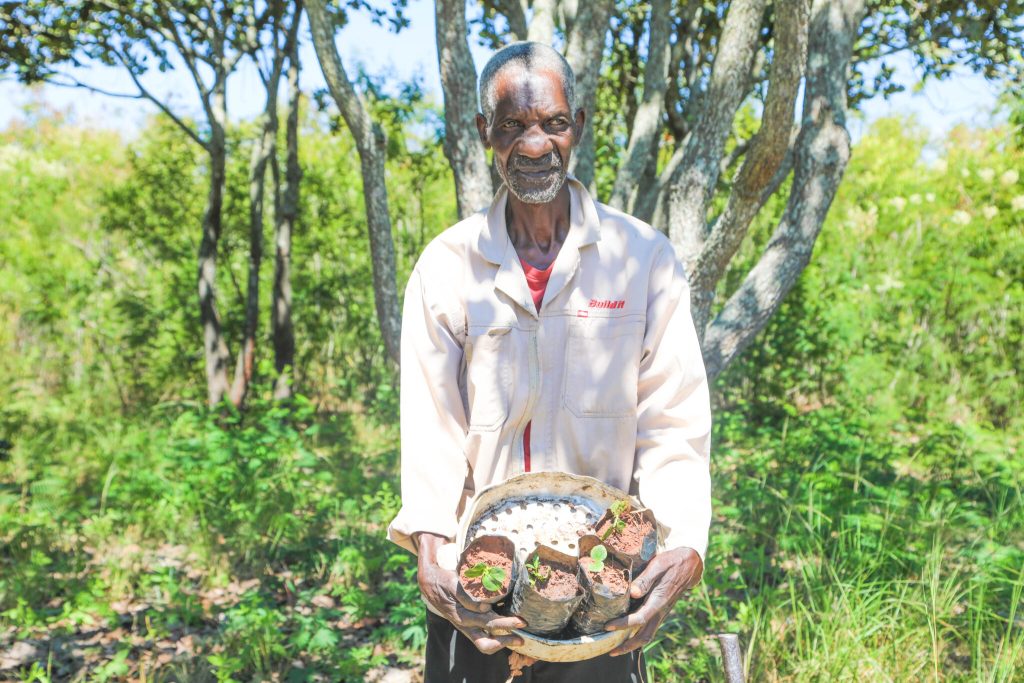
Never Zinyoza, a fruit tree farmer holding wild loquat tree seedlings in Zimbabwe. Photo by Irene Sinoya / Landscape Alliance.
“My family also enjoys eating the fruits because they are nutritious. With the training and technical assistance, I received, I ‘m now sharing that knowledge with other farmers so that they can also grow and benefit from the indigenous fruit trees.”
His experience illustrates how domestication can change the role of indigenous fruit trees. Instead of depending solely on fruit collected from natural woodland, farmers can establish trees near their homes and manage them alongside other crops.
The approach also offers a way to maintain valued species in landscapes where woodland clearance has reduced the availability of wild fruit.
Protecting the source
The Domboshawa genebank’s future remains important to the farmers who depend on its planting material. Field genebanks require regular maintenance, management and protection from fire, theft and other damage.
Landscape Alliance reports that inconsistent funding previously left parts of the site vulnerable to tree poaching and fire. Support fromthe Australian Centre for International Agricultural Research and other development partners is helping restore damaged areas and strengthen management.
“Field genebanks protect valuable indigenous fruit tree diversity, but they require continuous care and investment,” Dr Muchugi says.
For farmers such as Zinyoza, the value of that work is measured not only in preserved trees, but also in the fruit growing closer to home.
As Zimbabwe’s miombo woodlands face continuing pressure, bringing indigenous fruit trees into cultivation offers one way to maintain their benefits while reducing dependence on increasingly vulnerable wild populations.
‘’Although the initiative is long-term and laborious, it’s enjoyable and self-fulfilling. Even more, it sustains households incomes,’’ Zinyoza says.