
By Simbarashe Muparaganda
Bulawayo, (New Ziana) — Industry and Commerce Minister, Nqobizitha Ndlovu has challenged Ministry officials to use Zimbabwe’s chairmanship of the Common Market for Eastern and Southern Africa (COMESA) to deliver practical benefits for the country.
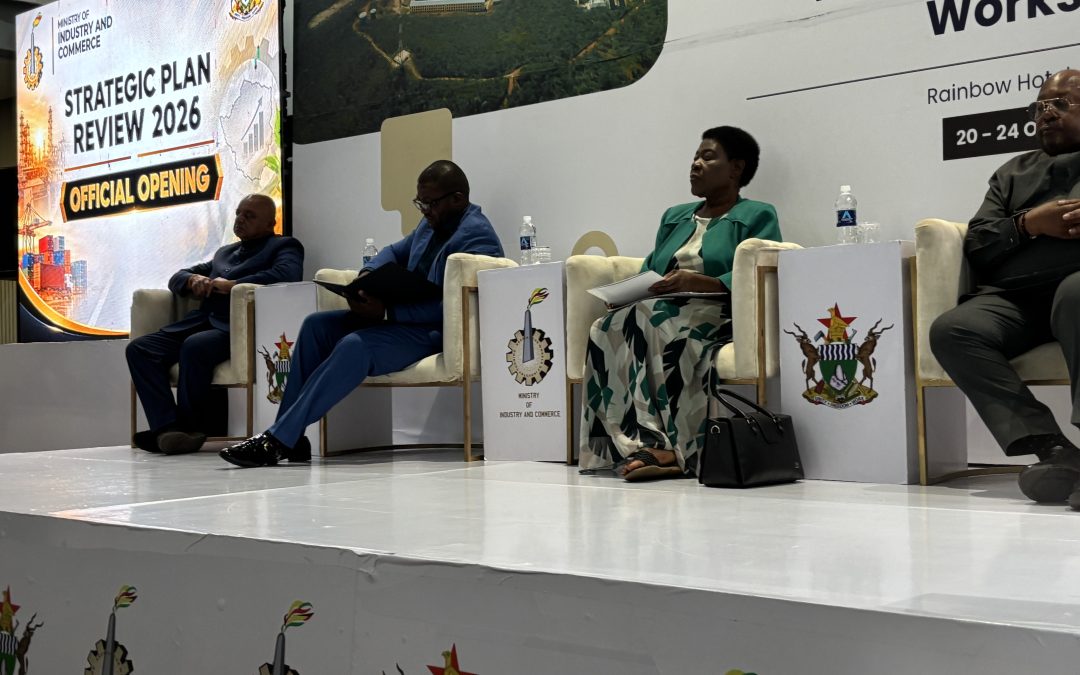
Speaking at the Ministry’s 2026 strategic planning workshop in Bulawayo on Friday, he called on the Ministry to support local industry, expand trade and strengthen Zimbabwean businesses.
“Colleagues, Zimbabwe assumed the COMESA chairmanship yesterday, and we have a responsibility as a Ministry to turn it into meaningful, tangible results.
“We must ask ourselves what this means for Zimbabwe and for the Ministry of Industry and Commerce. How do we plan for the 2026–27 financial year so that, when President Mnangagwa hands over the chairmanship to Zambia in 2027, the COMESA bloc will recognise Zimbabwe’s leadership?”
Ndlovu said the Ministry should use the chairmanship to advance regional value chains, facilitate small-scale trade, promote mutual recognition of standards and entrench fair competition across the bloc.
“I expected our discussions from Tuesday to include our work under President Mnangagwa’s COMESA chairmanship. Delivering these results requires disciplined performance management,” he said.
Zimbabwe assumed the COMESA chairmanship on Thursday, taking over from Kenya. It is due to hand over the role to Zambia in 2027.
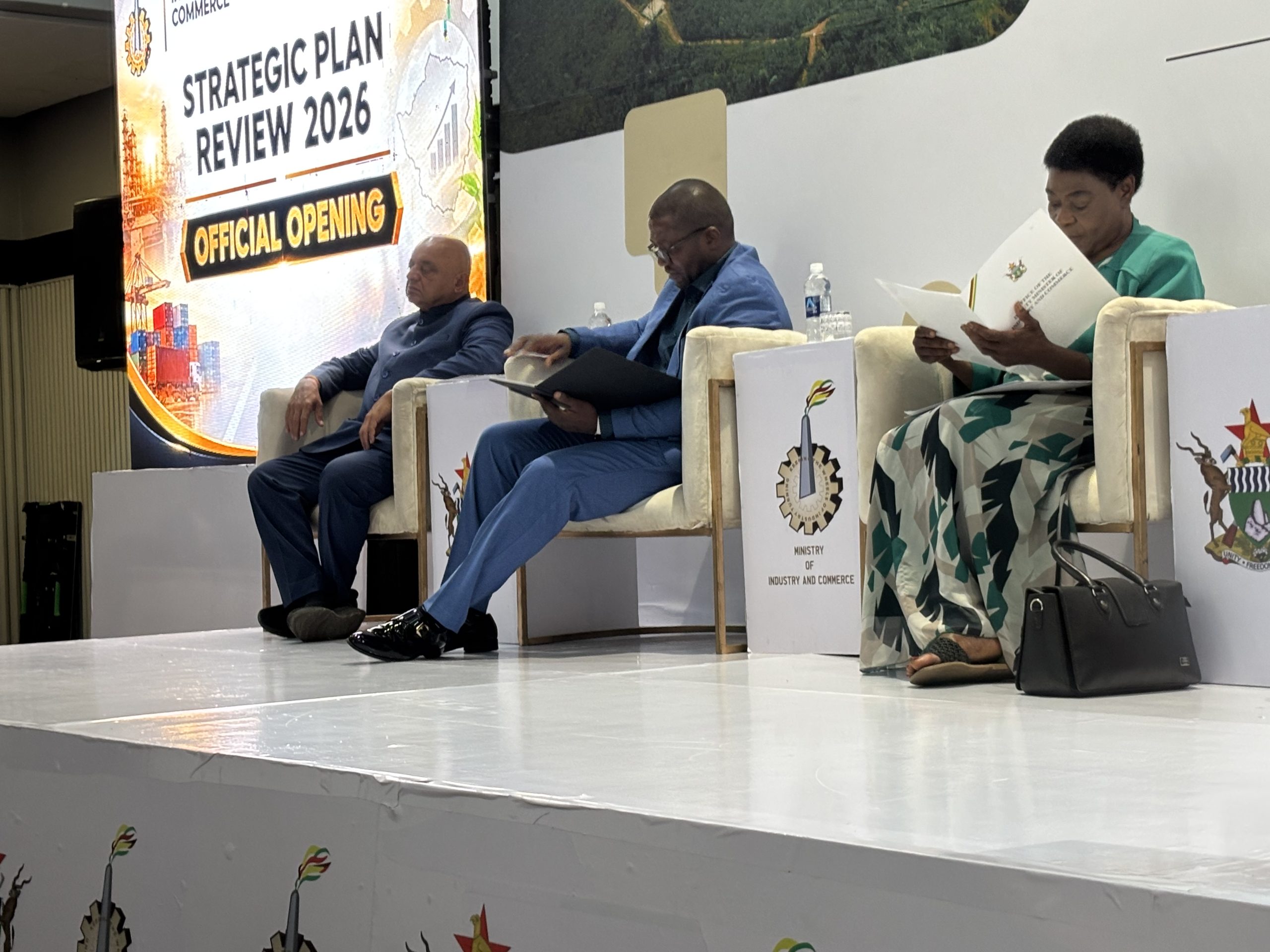
The four day workshop is reviewing the Ministry’s performance and challenges, and setting priorities to support National Development Strategy 2.
The strategy aims to promote jobs, industrial growth, economic opportunities and improved livelihoods.
Ndlovu urged departments and state-owned enterprises to set clear deliverables, measurable indicators and realistic timelines, with resources aligned to agreed priorities.
“Accountability must be meaningful, not merely procedural. We need to know what has been achieved, what is delayed, why it is delayed, and what corrective action is being taken,” he said.
He added that agencies and parastatals should explain how their work contributes to the Ministry’s goals and what measurable benefits it is expected to deliver.
Ndlovu also pointed to recent economic indicators as signs of progress, saying the economy grew by 8.3 percent in 2025 and manufacturing capacity utilisation reached 61.2 percent in the first half of 2026.
“Manufactured exports stood at about US$593 million by August 2026 while the commercial sector contributed approximately 10.8 percent of Gross Domestic Product (GDP) in the second quarter.
Despite the gains, Ndlovu highlighted persistent constraints facing industry, including energy, financing, technology, logistics and production costs.
He said the Ministry’s priority was to turn growth into sustained production, higher exports, productive jobs and broader participation in the economy.
He also implored officials to focus on implementing the Ministry’s policy frameworks, including the Zimbabwe National Industrial Development Policy 2, the Local Content Strategy, the Consumer Protection Policy and the Zimbabwe National Quality Policy.
“These policies must not operate as separate documents or isolated departmental responsibilities. Their impact will depend on how well we connect them through our work,” Ndlovu said.
The policies have been approved by Cabinet and are awaiting launch, he indicated.
The Industrial policy sets targets including annual manufacturing growth of 2.6 percent, a US$12 billion contribution to GDP and 60 percent capacity utilisation by 2030.
Ndlovu called for a framework to prioritise competitive local manufacturers in government procurement.
The Ministry has begun work on the framework with the Ministry of Finance, he said.
New Ziana