
By Sharon Tawuya
Harare, (New Ziana) —Investing in children should not be conceived as an expenditure and a competing demand on public resources, but a foundational investment upon which all other development goals depend, a Cabinet Minister has said.
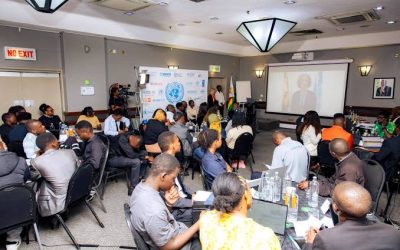
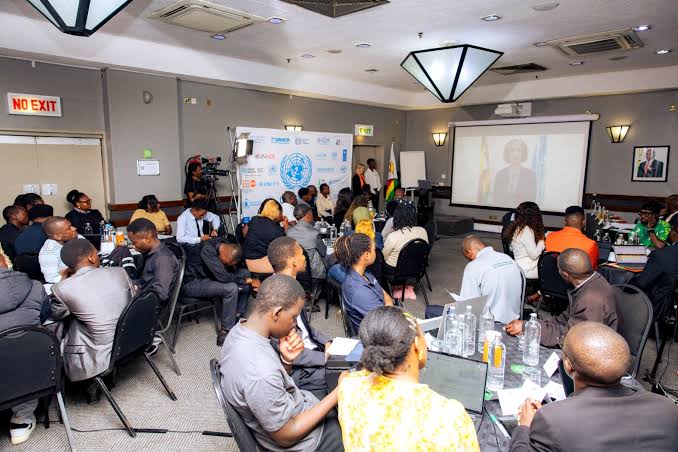
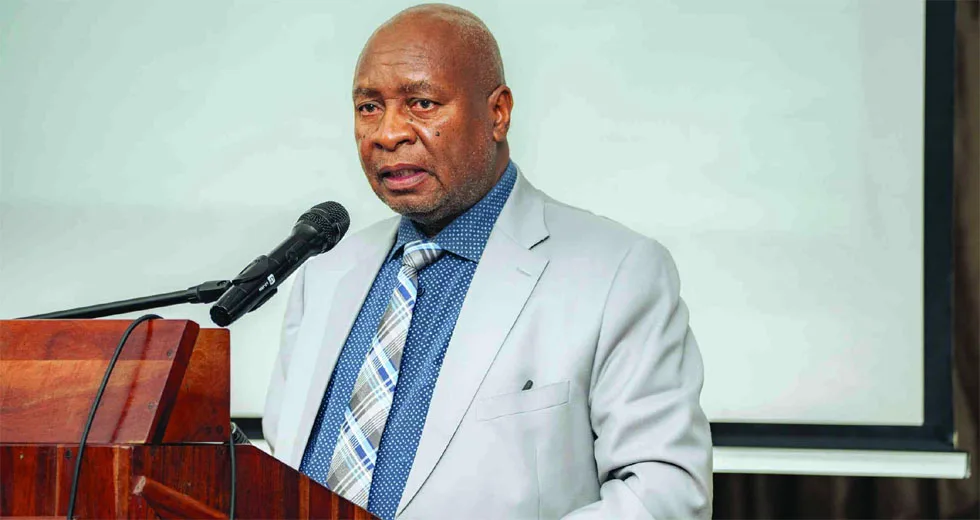
Public Service, Labour and Social Welfare Minister Edgar Moyo said this on Friday as the Government of Zimbabwe and UNICEF joined the global commemoration of World Children’s Day, calling for renewed investment, stronger partnerships and collective action so that every child can grow up safe, healthy, learning and heard.
Moyo said the well-being of children should not be contingent on the fluctuations of aid but should be a guaranteed imperative encapsulated in the national development agenda.
“Investing in children is a foundation for development, not an expenditure,” he said.
Celebrated annually on 20 November, World Children’s Day marks the adoption of the United Nations Convention on the Rights of the Child in 1989 and this year’s global theme is “Choose a Future for Children.”
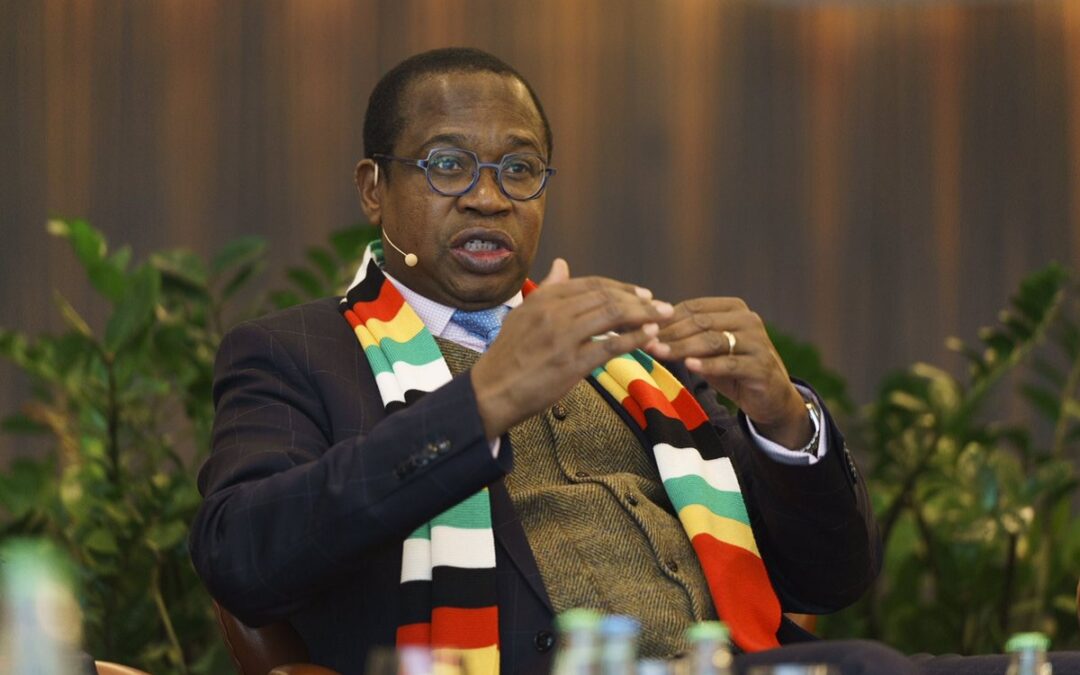
“This World Children’s Day, as UNICEF turns 80, we celebrate Zimbabwe’s progress for children and we see it as a moment to turn promises into action, especially for those being left behind. Choosing a future for children means choosing to end stunting through good nutrition, to keep every girl in school and out of marriage, to give every newborn a strong start in life, and to protect children from the growing impacts of climate change. Investing in children is investing in Zimbabwe’s future,” said Etona Ekole, UNICEF representative in Zimbabwe.
Speaking at the same occasion, Child President Tinashe Mgodi called for quality, inclusive education, protection from all forms of violence and exploitation, access to healthcare and digital opportunities, and a meaningful voice for every child in decisions that affect their lives.
“A nation’s commitment to its children is measured by the opportunities, dignity and protection it secures for them every day,” he said.
This year’s commemoration is significant as UNICEF prepares to mark its 80th anniversary on 11 December 2026.
The Zimbabwe government has increased allocations to key social sectors and safeguarded essential services such as immunisation, education and child protection. Investments in safe water, sanitation, learning and social protection continue to make a measurable difference in children’s lives.
Stronger laws and policies now provide children with better protection from harm. These include the Marriages Act, which outlaws child marriage, and the Education Amendment Act, which bans corporal punishment in schools and keeps pregnant girls in class. Laws have also been established to raise the age of sexual consent to 18 years.
This year, the government also launched the National Action Plan for Children IV (2026–2030), alongside the Zimbabwe National Child Online Protection Policy (2026–2030).
The plan provides a five-year roadmap to expand access to inclusive basic services, end violence against children, strengthen families and communities, eliminate child labour and build stronger institutions, while the new policy helps keep children safe in digital spaces.
Despite stronger laws, harmful social norms continue to drive child marriage, depriving many girls of their childhood, particularly in certain provinces.
The commemoration also comes as the Zimbabwe government and UNICEF prepare to roll out the 2027–2031 Country Programme, which will guide joint efforts to accelerate progress for children through integrated, inclusive and climate-resilient interventions.