
By Zachary Gava
Harare, (New Ziana) – Zimbabwe’s economic growth is projected to slow to 3.5 percent in 2027 from a forecast six percent this year, as the anticipated El Niño-induced drought will slash agricultural output, and is also expected to weigh down other sectors of the economy.
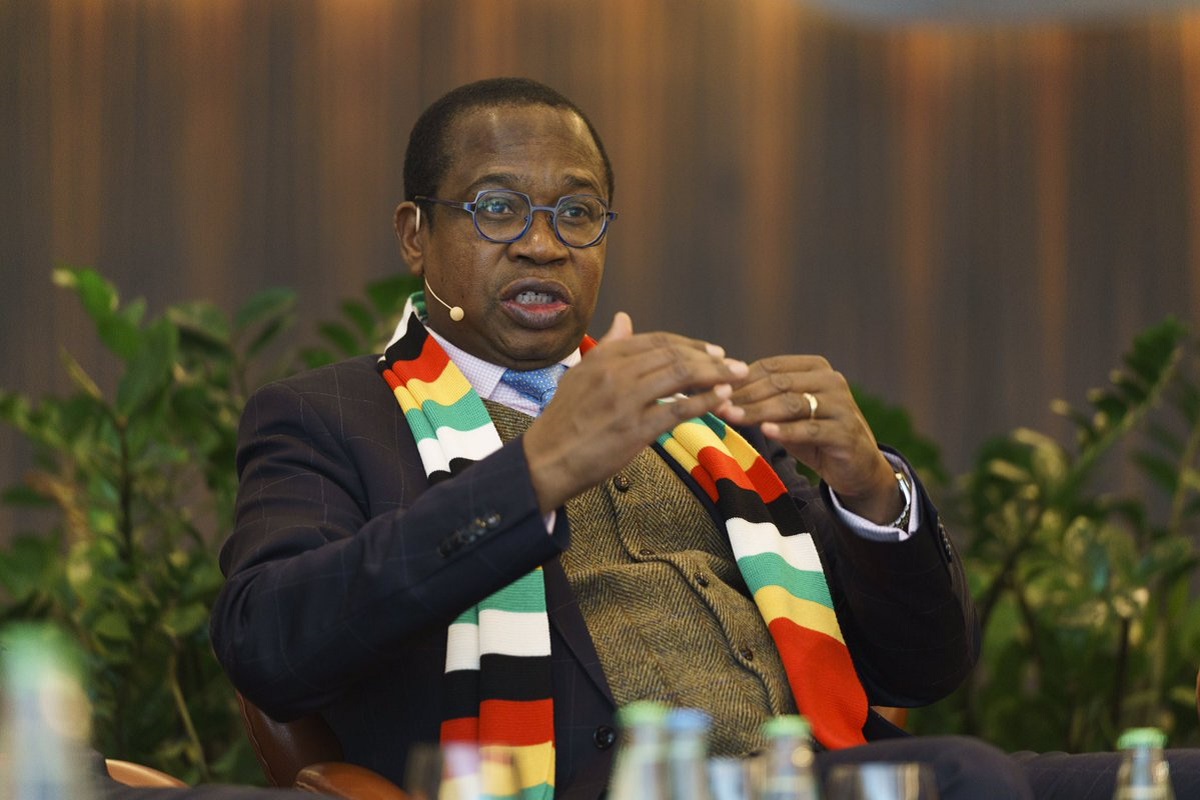
Presenting the 2027 National Budget in Parliament on Thursday, Finance Minister Professor Mthuli Ncube said the projected slowdown reflected mounting climate-related risks and uncertainties in the global economy.
He said Government was, however, putting in place fiscal buffers and resilience measures to cushion the economy against anticipated shocks while safeguarding the macroeconomic stability achieved in recent years.
“The 2027 National Budget has been framed against a potentially challenging global and domestic environment,” said Prof Ncube.
“Climate-related shocks, particularly recurring El Niño-induced drought episodes impacting on agricultural production, with cascading effects across the economy, are a major concern. These risks are compounded by geopolitical tensions, tighter external financing conditions, global trade fragmentation and disruptions.”
He said the anticipated drought had necessitated a cautious growth projection, with the economy expected to rebound in subsequent years as conditions improve.
“In 2027, economic growth is projected at 3.5 percent, largely reflecting the impact of El Niño and drought-related risks. But after 2027, we expect recovery for the next two years, 2028 and 2029, where growth will be back to close to 6 percent before moderating to slightly above 5 percent in 2029,” he said.
To prepare for the anticipated shocks, Government has incorporated a contingency allocation of ZiG10,9 billion, equivalent to approximately US$400 million, into the 2027 expenditure framework.
The provision, representing 0,6 percent of Gross Domestic Product (GDP), will be financed from buffers accumulated in 2026 and serve as insurance against more severe economic disruptions, particularly the expected drought.
Prof Ncube said building resilience had become a national imperative given the country’s exposure to climate-related shocks and the increasingly uncertain international economic environment.
The budget projects total revenue collections of ZiG349 billion, approximately US$12,5 billion, against expenditure of ZiG358,3 billion, or about US$12,8 billion.
This will result in a manageable budget deficit of 0,5 percent of GDP, reflecting Government’s commitment to fiscal discipline and living within its means.
Prof Ncube said the country’s macroeconomic stability had been strengthened through coordinated fiscal and monetary policies, which had helped contain inflation and stabilize the exchange rate despite external pressures.
Inflation in both ZiG and greenback averaged 4 percent during the first 10 months of 2026 and is projected to remain in single digits throughout 2027.
He said the economy had recorded cumulative growth of 33,6 percent between 2020 and 2025, outperforming the Southern African Development Community (SADC) average of 17,3 percent and the sub-Saharan African average of 22,6 percent.
The economy’s estimated value will also expand to approximately US$66 billion by the end of 2026, more than double the US$21 billion recorded in 2019.
During the first nine months of 2026, the economy grew by 4,2 percent, supported by agriculture, manufacturing, wholesale and retail trade.
Foreign currency receipts also increased by 33,7 percent to US$15,9 billion between January and September 2026, supported by favourable commodity prices, diaspora remittances and foreign investment.
The current account surplus is projected to exceed US$3,5 billion by the end of 2026 before settling at approximately US$3,4 billion in 2027.
On the global front, Prof Ncube said the International Monetary Fund projected global economic growth to moderate to 3,1 percent in 2026 before recovering to 3,4 percent in 2027.
He said geopolitical tensions, particularly conflicts in the Middle East, increased energy and food prices, and also led to declining official development assistance as well as volatility in commodity markets.
Against this background, he said the 2027 National Budget would prioritize economic transformation, climate resilience and the protection of macroeconomic stability.
New Ziana