
Norman Dururu
GWERU – Information, Publicity and Broadcasting Services Minister Dr. Zhemu Soda has called for stronger coordination among his ministry, parastatals, and stakeholders to improve information dissemination, promote national development, and project a positive image of Zimbabwe.
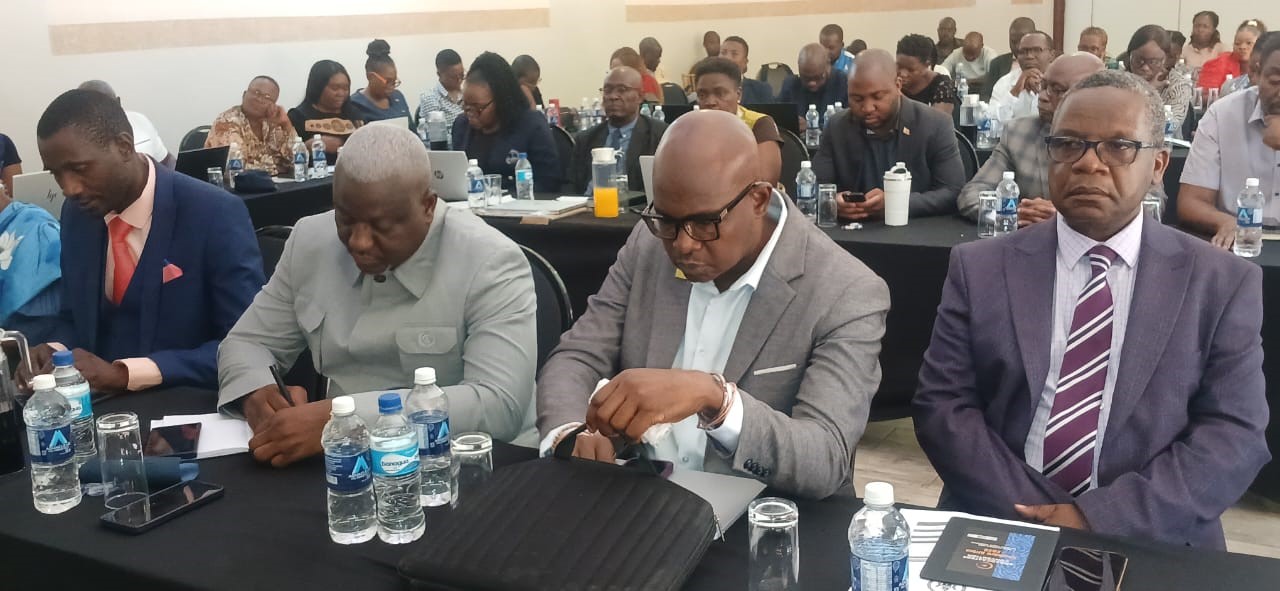
Speaking during the ministry’s 2027 Strategic Plan Review Workshop in Gweru, Dr. Soda said all institutions under the ministry must operate as parts of a coordinated national communication ecosystem while fulfilling their respective mandates.
He said institutions such as the Zimbabwe Broadcasting Corporation (ZBC), Transmedia, New Ziana, and Zimpapers must align their programmes with the ministry’s strategic direction.
“We must reduce duplication, improve information sharing, and make better use of available resources through collaboration, joint programming, shared platforms, and coordinated campaigns,” he said.
Dr. Soda said the ministry’s Monitoring and Evaluation Unit must strengthen collaboration with corresponding departments and focal persons in parastatals to improve planning, performance assessment, and reporting.
“Our institutions should not work in silos when they share a strategic purpose and contribute to the same national development agenda,” he said.
He urged the ministry and its agencies to adopt an integrated approach to planning, monitoring, evaluating, and reporting on programmes and projects, adding that performance should be measured by tangible results rather than by activities undertaken.
“Our focus must shift from recording activities to establishing whether our interventions achieve their intended outcomes and make a measurable difference for citizens,” he said.
Dr. Soda said effective communication should help citizens understand government programmes, access information, participate in dialogue, and appreciate the impact of development initiatives.
He said the communication strategy should showcase Zimbabwe’s development, investment opportunities, tourism, culture, innovation, creative industries, and human capital, as well as become a real-time disseminator of Zimbabwean information globally in support of National Vision 2030.
He noted that the National Development Strategy 1 (NDS1) had recorded progress in broadcasting expansion, community radio development, transmitter rollouts, digital communication, and public information dissemination.
Under NDS2, he said, the focus should shift towards optimising existing resources, achieving measurable outcomes, and adopting intelligent, data-driven, and citizen-centered communication.
He also urged the ministry to embrace emerging technologies such as artificial intelligence, data analytics, automation, and digital broadcasting, while ensuring their ethical, responsible, and secure use.
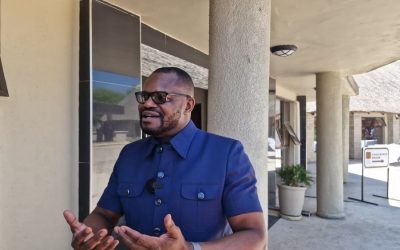
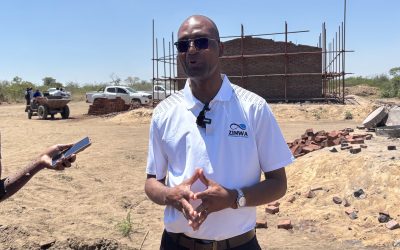
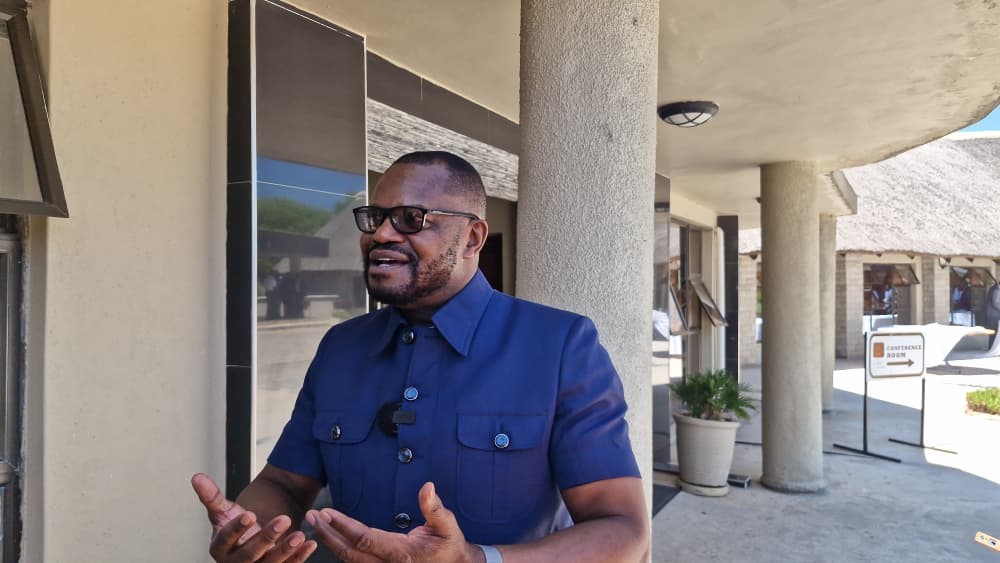
Zimbabwe Mass Media Trust Executive Secretary Ray Mungoshi called for greater coordination between the ministry and stakeholders, particularly on logistical issues such as accommodation and transport.
ZBC Chief Executive Officer Sugar Chagonda pledged the corporation’s commitment to working with other agencies to strengthen coordination.
The four-day workshop reviewed the performance of the ministry and its agencies, identified emerging challenges, and mapped out strategic priorities for 2027.