
By Sharon Tawuya
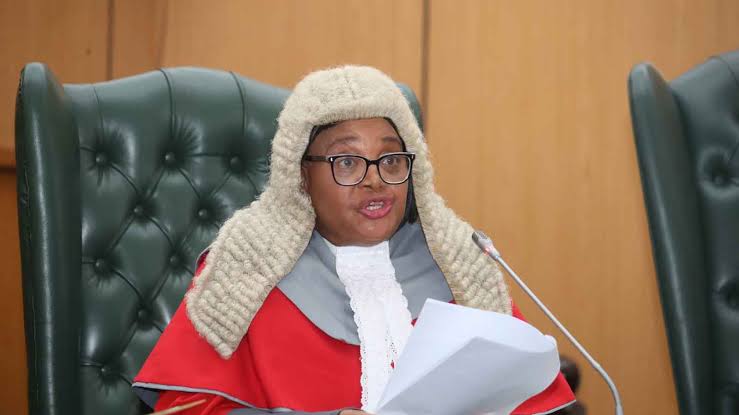
Harare, (New Ziana) – Prosecutor-General, Justice Loice Matanda-Moyo on Thursday said a new mobile court commissioned in Harare will make prosecution easier and more efficient by taking justice to the people and removing barriers that have long delayed cases.
Speaking at the commissioning of the Judicial Service Commission’s first mobile court, Justice Matanda-Moyo commended the JSC for bringing to life the philosophy of leaving no one and no place behind.
“I thank the Chief Justice and the Commission for commissioning Zimbabwe’s first mobile court. You have brought the philosophy of leaving no one and no place behind to life,” she said.
She described mobile courts as a game-changer for prosecutors, saying timely disposal of cases depends on coordination among police, prosecutors, courts, forensic and investigative agencies, correctional services and witnesses.
“You have also made my job much easier by subpoenaing witnesses to court,” she said.
Justice Matanda-Moyo said although the State reimburses witnesses’ expenses, they must first pay transport from their own pockets, an impossible barrier for many as this often leads to missed appearances, postponements and delayed justice.
“Now they can get to courts, follow proceedings and see justice in motion. Cases can then be disposed of more quickly,” she said.
She said the burden falls most heavily on the economically disadvantaged, women, children, persons with disabilities, the elderly and other vulnerable groups.
“They can now make a quick trip to court without worrying about being away from home for too long,” she said.
“Justice is not the preserve of those who can afford the journey to court. Mobile courts have shifted the burden from expecting communities to overcome every barrier to attend court towards taking justice services directly to them.”
Justice Matanda-Moyo said mobile courts would also strengthen transparency. Members of the community who are not witnesses can now attend court, dispelling myths and perceptions of corruption and promoting security and peace.
“For many, our criminal courts remain abstract. Often they see an accused person being arrested, then imprisoned for years and released on bail without understanding the process. That vacuum is filled by suspicion and rumour,” she said.
“Mobile courts will allow communities an opportunity to witness justice in motion within a stone’s throw of their homes.”
She said quality must never be sacrificed for numerical performance. The National Prosecuting Authority of Zimbabwe will ensure every case receives the attention, preparation and consideration required by law, while respecting the constitutional rights of accused persons.
“We undertake that under my watch, victims of crime and witnesses will continue to be treated with dignity and prosecutorial decisions will remain guided by law, the evidence and public interest,” she said.
“Now that our work will be under direct public scrutiny, we must intensify diligence and demonstrate even greater efficiency and transparency.”
She said the NPAZ will work closely with other stakeholders to ensure proper coordination and effective case preparation.
“The ultimate measure of the success of this initiative will not be the number of courts commissioned or cases finalised, but whether ordinary citizens will experience a justice system that is accessible, responsive, fair and trustworthy. This is not just a new vehicle on our roads, it is a new vehicle for justice,” she said.
New Ziana