
By Sharon Tawuya
Harare, (New Ziana)- In a rare move, the 2027 national budget presented on Thursday does not contain any new taxes, or increases, but instead offers cuts to cushion the public and stimulate business in the face of an expected drought-induced economic slowdown.
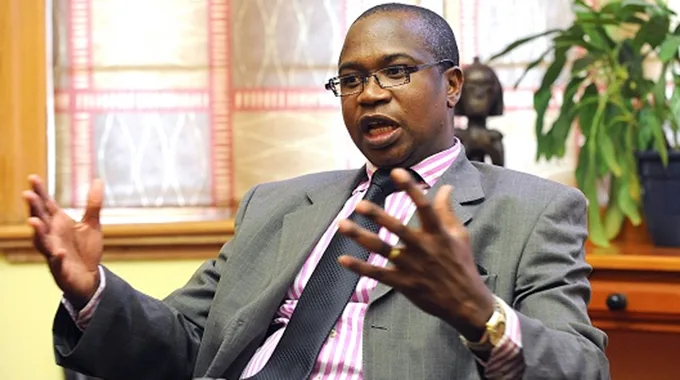
Presenting the budget in Parliament, Finance Minister Prof Mthuli Ncue said the government deliberately avoided new taxes and instead cut existing ones to ease pressure on citizens and business.
“In this budget, there are no new taxes; secondly there is no increase in the current taxes either. We felt this was a cost worth bearing to give the rest of the country relief,” he said.
The Intermediated Money Transfer Tax (IMTT) has been cut from 1.5 percent to 1.25 percent on ZiG transactions, and from 2 percent to 1.75 percent on US dollar transactions.
He said the Government will lose about US$120 million in revenue as a result.
The tax-free income threshold was increased from US$100 to US$150 per month to offer relief to struggling households, and increase their disposal incomes.
The top tax band of 40 percent will now apply to incomes above US$3,000.
Prof Ncube said the Pay as You Earn (PAYE) cuts will put about US$81 million back into taxpayers’ pockets.
“This was really a request from the public. They have been very strong. Members of Parliament have been very strong,” he said.
Customs duty on cellular phones drops from 25 percent to zero percent to promote mobile ICT use.
He proposed that customs duty on electric vehicles drops from 25 percent to 10 percent to accelerate the shift to a green economy.
Prof Ncube proposed to suspend customs duty on semi Knocked Down kits imported by approved local assemblers of motorcycles, tricycles, trucks and electric commercial vehicles, effective 1 December 2026.
A rebate of duty has also been introduced on raw materials, intermediate inputs and capital equipment for fertiliser manufacturing, effective 1 November 2026.
Prof Ncube said the measures will help Zimbabwe compete under the Africa Continental Free Trade Area and cut imports of finished vehicles.
The hybrid duty on cigarettes of 25 percent plus US$5 per 1 000 sticks will be replaced by a specific excise duty of US$15 per 1 000 sticks, effective 1 January 2027, said Prof Ncube.
The Education sector received the highest allocation, followed by health, agriculture, defence and security, Home Affairs and infrastructure.
Prof Ncube said about 42 percent of the budget goes to social sectors — education, health and social protection — including Pfumvudza/Intwasa, grain acquisition for drought, cash transfers and BEAM (BASIC Assistance Module) for vulnerable learners.
He said infrastructure will be funded through devolution, direct road funding and a new Infrastructure Fund.
He said as foreign aid shrinks, Zimbabwe has introduced its own health financing measures, including the sugar tax and a levy on airtime.
New Ziana