
By Zachary Gava
Harare, November 19, 2026 (New Ziana) – Zimbabwe is targeting to develop a resilient and diversified energy sector which is less reliant on hydroelectric power in the face of frequent droughts, and to upgrade electricity transmission infrastructure and strengthen alternative generation capacity.
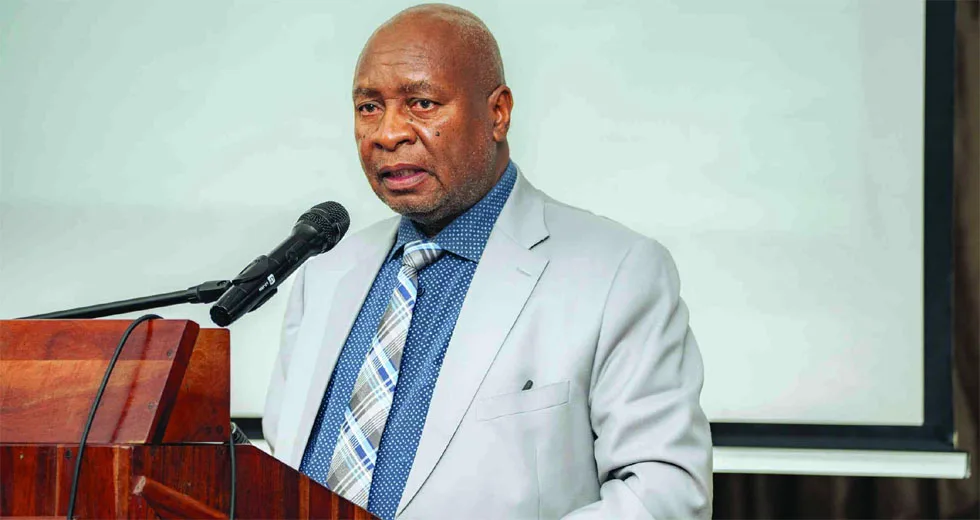
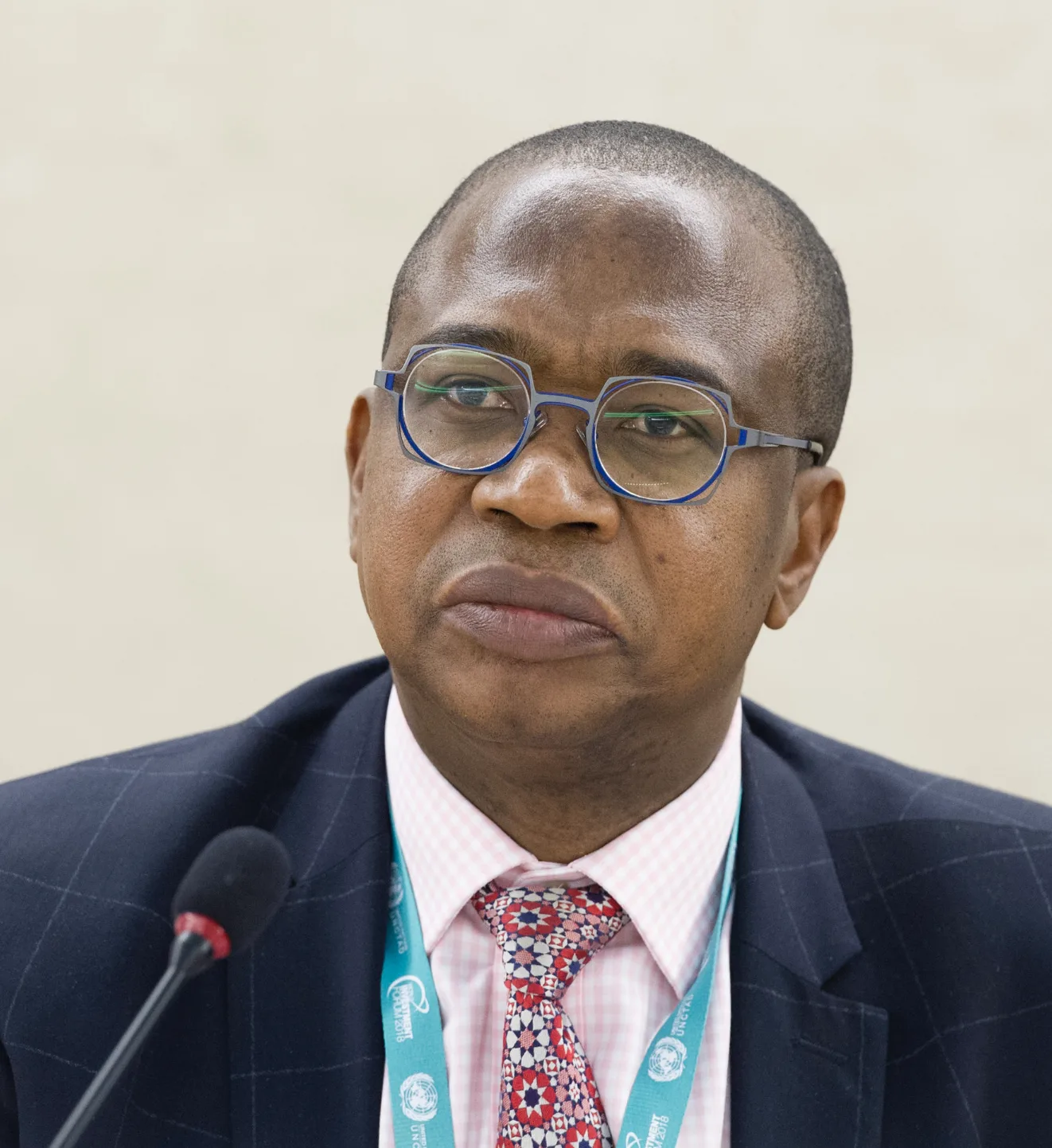
Finance Minister Professor Mthuli Ncube said this while presenting the 2027 National Budget in Parliament on Thursday.
He said Government will consolidate gains in current electricity generation, which saw 300 days of load-shedding free power supply, through implementing sustainable generation measures.
The country’s energy strategy, he said, will focus on diversifying the generation mix, improving transmission and distribution networks and managing electricity demand.
“Government has made significant strides by eliminating load-shedding, achieving over 300 days of no-load shedding,” said Prof Ncube.
“Going forward, key sector priorities are to diversify the generation mix to reduce reliance on hydro, institute demand-side management, upgrade transmission and distribution networks, and build a pipeline of bankable projects.”
The policy shift comes as Zimbabwe seeks to strengthen energy security and reduce vulnerability to climate-related disruptions, particularly droughts that can affect water levels at major hydroelectric generation facilities.
Under the 2027 National Budget, the Ministry of Energy and Power Development has been allocated ZiG1,2 billion to spearhead the planned interventions.
Government is also prioritizing water infrastructure, with ZiG4,8 billion set aside for water and sanitation projects, including the continuation of the Kunzvi-Musami and Gwayi-Shangani projects, alongside borehole drilling and rehabilitation.
The investments are expected to strengthen the country’s capacity to withstand climate-related shocks while supporting industrialization, business operations and household electricity needs.
Prof Ncube said developing a pipeline of bankable energy projects would remain central to the country’s efforts to sustain electricity supply and support economic transformation.
The emphasis on diversifying power generation signals a recognition that long-term energy security requires not only adequate generating capacity but also reliable infrastructure and reduced exposure to climate-related disruptions.
New Ziana